REVIEW · PARIS
Private Photography Walking Tour of Paris: Latin Quarter or Montmartre
Book on Viator →Operated by Experience Paris · Bookable on Viator
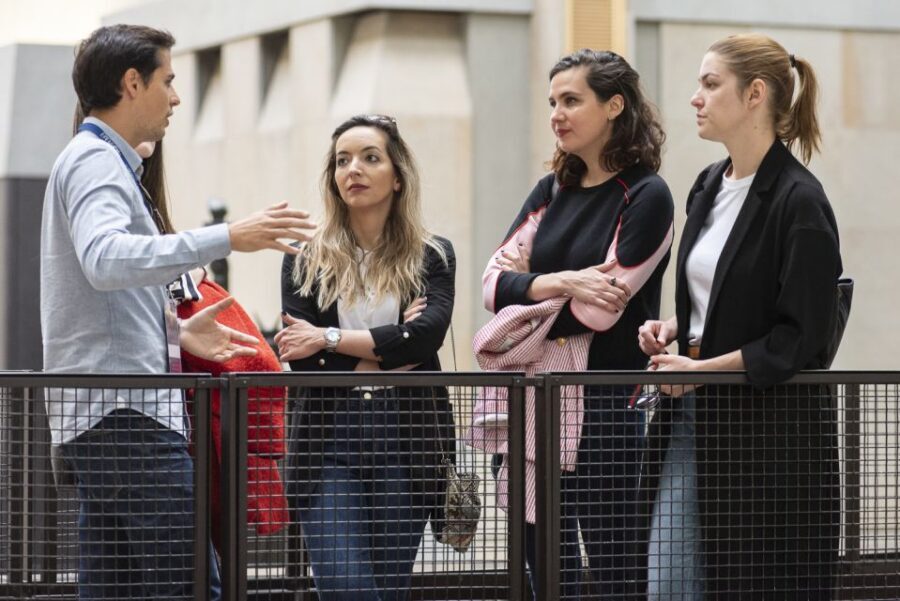
Paris looks different through a camera. On this private 3-hour walking photo tour, you choose either Montmartre or the Latin Quarter and follow a professional photographer who helps you see scenes differently, stop often, and shoot with better control. You’ll get practical guidance on lighting, composition, and camera technique, whether you’re using a smartphone or a more advanced digital camera.
I especially like the way the guides teach. People I’ve heard named—Richard and Kevin—lean into clear, real-world coaching, not theory. I also love that you’re not limited to just the big postcard stops; you’ll mix in iconic landmarks like Notre-Dame or Sacré-Cœur with quieter streets and side views that feel more lived-in.
One drawback to keep in mind: the tour is photo-first. If you’re mainly after neighborhood history and a classic narrated sightseeing tour, you may want to mentally adjust expectations toward camera instruction and photo ideas.
In This Review
- Key things you’ll notice right away
- Private Photo Walks in Paris: why this format works
- Montmartre vs. Latin Quarter: choose the mood you want
- A 3-hour Paris morning that moves at camera speed
- Montmartre stop: Sacré-Cœur angles and cobbled street scenes
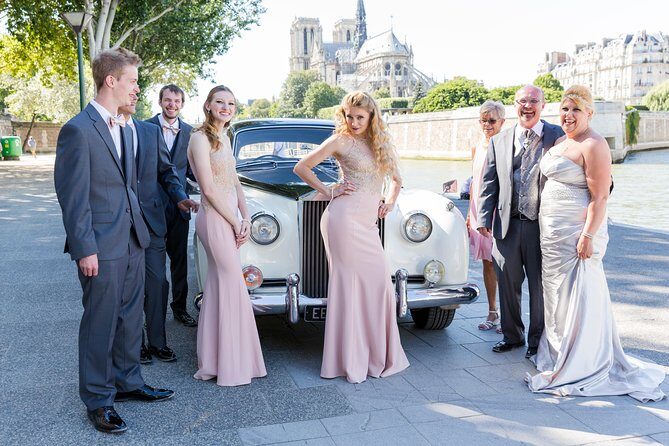
- Latin Quarter stop: Notre-Dame framing and Left Bank street life
- The photography coaching: lighting, composition, and camera control
- The end moment: bistro rest and (if digital) a photo critique
- Price and value: what $237.17 is really buying
- Weather and real-world practicality
- Who should book this photo tour
- Should you book this private Paris photo tour?
- FAQ
- What’s the duration of the private photography walking tour?
- How much does it cost?
- Is this a private tour or a group tour?
- Which areas can I choose from?
- Do I need a specific camera?
- Are tickets or entry fees included?
- Is there a place to eat or buy drinks during the tour?
- How far in advance can I cancel for a full refund?
Key things you’ll notice right away
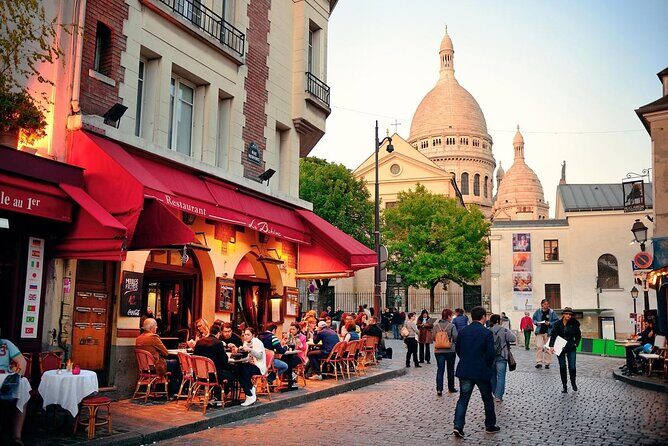
- Two route styles: Montmartre for hilltop angles and Sacré-Cœur, or the Latin Quarter for Notre-Dame views and Left Bank streets
- Pro guidance on lighting and framing: you’re taught what to change in your shot while you’re standing there
- Works with any camera: from phones to point-and-shoots to digital SLRs
- Stop often, at your pace: it’s a walking tour where you can take your time to shoot
- A final photo check for digital users: if you’re on a digital camera, you get a critique before you wrap up
- A real break at the end: the tour ends at a local bistro for refreshments (paid by you)
Private Photo Walks in Paris: why this format works
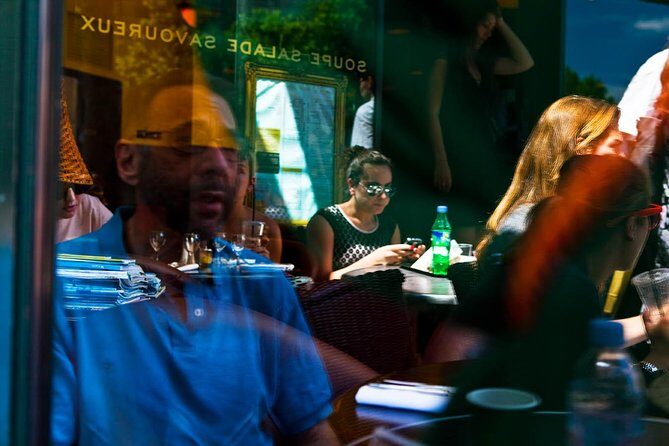
This kind of tour is built for one thing: making your camera (or phone) feel less like a random button and more like a tool. Paris is full of “pretty” views, sure. The difference here is that a professional photographer guide helps you slow down long enough to notice light direction, contrast, and composition—then translates that into choices you can actually make.
I also like that it’s private. You’re not competing with a big group for a good corner. That matters in Paris, where timing and positioning can make or break a photo—especially around famous façades where there’s always someone standing where you wanted to be.
The overall vibe is practical and teacher-led. You’ll be walking, shooting, and adjusting. And when the group is smaller, the guide can notice what you’re doing wrong (or right) and give direct fixes fast.
You can also read our reviews of more walking tours in Paris

Montmartre vs. Latin Quarter: choose the mood you want
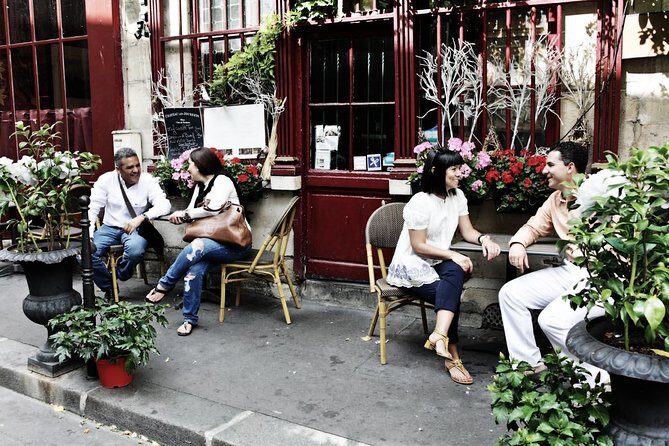
You get to pick the area, and that decision changes the whole photo feel of the morning.
Montmartre tends to be about elevation, drama, and texture. Think cobbled streets, strong lines, and the moment you look up toward the hilltop view and Sacré-Cœur’s presence.
Latin Quarter shifts toward classic Left Bank streets. Expect photo opportunities around Notre-Dame and long rows of streets that feel like they belong to cafés, student life, and bookish Paris.
If you’re unsure, I’d match the area to your camera style:
- If you like angles, stairs, and “top-of-the-world” views, Montmartre fits.
- If you prefer street scenes with landmarks and layers of activity along sidewalks, the Latin Quarter is a great match.
A 3-hour Paris morning that moves at camera speed
The tour runs about 3 hours and is scheduled in the mid-morning. That timing is useful because you usually have workable daylight for photography—bright enough to see detail, but not always at the harshest midday sun.
You’ll meet in a central location in the chosen neighborhood. The tour is private, meaning it’s only your group. That matters for two reasons:
- You can linger at a great angle without stressing the whole schedule.
- Your guide can tailor instruction to what you’re shooting—manual settings, composition habits, or simply how to frame on a phone.
A practical tip: wear shoes you’re comfortable walking in. This is a photography route, so you’ll likely stop, reposition, and take repeated frames as you test changes.
Montmartre stop: Sacré-Cœur angles and cobbled street scenes
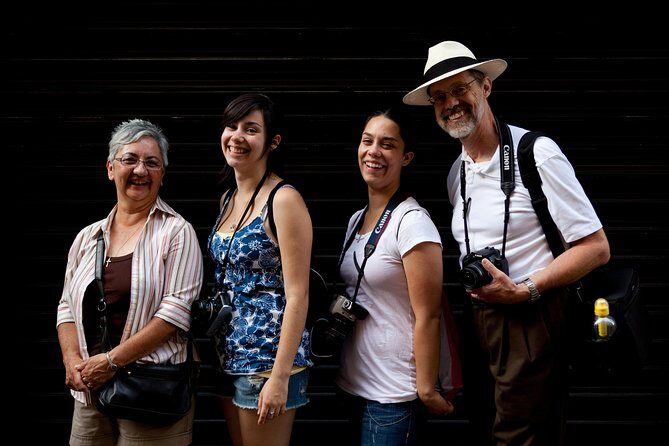
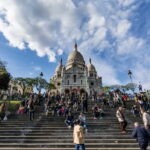
On the Montmartre version, the main landmark focus is Sacré-Cœur Basilica. Even without getting lost in “tourist mode,” Sacré-Cœur gives you real photographic structure: wide geometry, bright stone tones, and dramatic sightlines from streets that slope around the hill.
Here’s what this stop is good for:
- Learning how to balance a big landmark with surrounding streets
- Practicing composition with strong lines and verticals
- Using light to keep highlights from washing out the façade
Because the tour is guided by a photographer, you’re not just looking at Sacré-Cœur. You’re learning how to frame it. That means you might be encouraged to shoot from street level, then again from a slightly different position, and then test a wider angle that includes the cobbles and nearby buildings for texture.
Possible drawback on Montmartre: it can be visually tempting to only shoot the basilica. If you want better results, listen for the guide’s cues about including the streets and daily life around the landmark—those are often the shots that look most “Paris” after the trip.
Latin Quarter stop: Notre-Dame framing and Left Bank street life
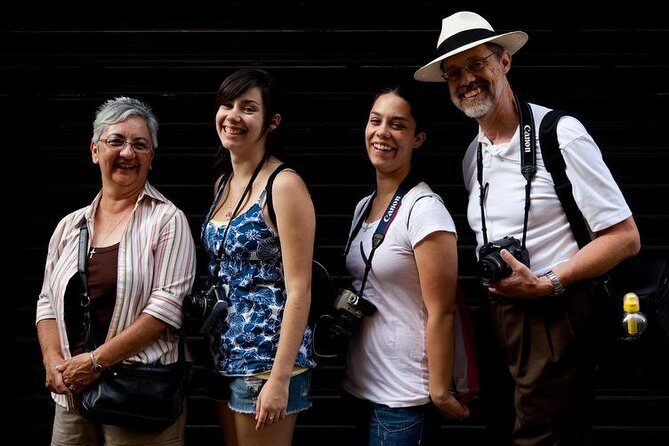
On the Latin Quarter version, the landmark focus is Notre-Dame Cathedral. The Left Bank streets around it tend to produce strong “layers”: architecture in the background, street-level movement in the foreground, and lots of visual depth from side alleys and wider lanes.
What makes this stop especially useful for photography practice is how many different ways you can work the scene:
- Close-in framing where your subject is the cathedral detail rather than the full structure
- Wider street views where your eye follows leading lines toward Notre-Dame
- Street-level compositions that include café fronts or side-street context
The route also aims at the kind of bistro-lined streets and quieter backstreet views that many visitors miss when they only chase the most famous angle.
One consideration: Notre-Dame area viewpoints can be busy. The guide’s job is to help you find workable positions and timing, but you should still expect a public setting. The good news is that the focus isn’t just getting “the” photo. It’s learning how to adjust your framing and exposure when crowds and changing light affect what you see.
You can also read our reviews of more private tours in Paris


The photography coaching: lighting, composition, and camera control
This tour stands or falls on the coaching. And the standout theme in the experience is the hands-on help: getting you to make better choices quickly, instead of leaving you with vague advice.
You can expect guidance around:
- Lighting conditions: how to use the day’s light rather than fight it
- Composition: framing skills that translate across different cameras
- Camera control: learning what settings to try so your images look more intentional
In my view, the best part is that the guide doesn’t treat your camera like a mystery box. People using phones often assume “manual settings” don’t apply. But the teaching style can still help you compose, stabilize, choose focal points, and avoid the most common issues like blown highlights or muddy low-light shots.
If you’re using a digital camera, there’s an extra step later. You’re not only learning in the moment—you’re also invited to improve from what you captured.
The end moment: bistro rest and (if digital) a photo critique
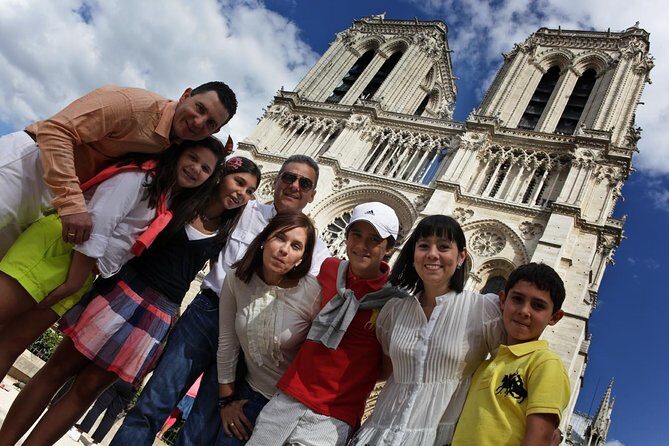
Near the end, you’ll stop at a local bistro area for a rest. Refreshments are own expense, which keeps things simple: you can sit, drink water, and recharge without adding costs to the tour price.
If you’re using a digital camera, the experience includes a professional critique of your photos before the tour wraps up. That’s a big deal for learning, because it turns the morning’s shooting into a clear feedback loop. You can see what worked, what didn’t, and what to try next time.
Even if you’re on a smartphone, you’ll still likely leave with new ways to “see” the city: stronger composition instincts, better timing for angles, and an understanding of why certain frames feel more balanced than others.
Price and value: what $237.17 is really buying
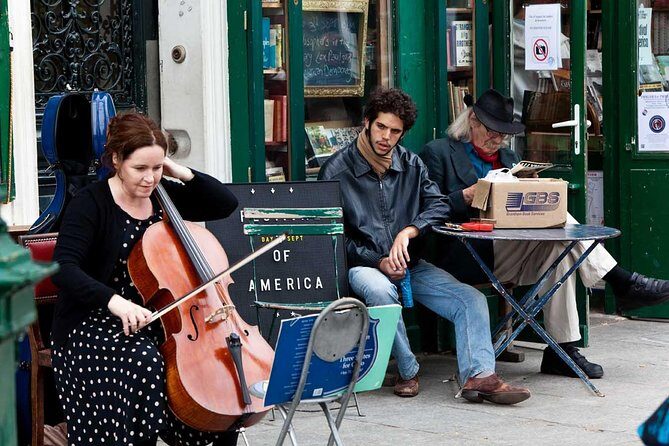
At $237.17 per person for about 3 hours, this is not a cheap “walk and take pictures” activity. So the value question is fair.
Here’s where I see the price making sense:
- You’re paying for a professional photographer guide who teaches, not just leads a route
- The tour is private, so instruction can be targeted
- You get practical coaching on lighting and camera control while you’re actively shooting
- Digital shooters get a photo critique, which upgrades it from fun walking to actual skill-building
When it might not be worth it: if you don’t really care about improving your photos, and you only want a generic sightseeing walk. In that case, you’d probably be happier with a standard guided tour where history and landmarks are the main event.
Weather and real-world practicality
The tour is built for day-to-day conditions. In at least one case, rain came through, and the guide kept teaching while adapting shooting opportunities. That’s a good sign. Photography tours aren’t immune to weather, and the useful ones plan around it.
Your best move: bring whatever camera equipment you have. There’s no requirement to own a specific model. The tour is designed for:
- smartphone cameras
- point-and-shoot cameras
- advanced digital SLRs
Also, consider packing a small cleaning cloth for your lens or phone screen. Street photography in Paris means you’ll often be shooting near dust, stone textures, or damp surfaces when the weather shifts.
Who should book this photo tour
This tour is a great fit if:
- you want hands-on improvement instead of random snapping
- you’re a beginner who wants help using your camera settings (or learning what settings even do)
- you’re an experienced amateur who wants new composition habits and lighting strategies
- you want to explore a neighborhood with a guide who can point out what to shoot beyond the obvious
It’s also a strong choice for families and small groups, especially when everyone wants to learn at a comfortable pace rather than rush through stops.
If you’re mainly interested in a deep narrated history tour, you might still enjoy it—but you’ll likely find it more effective to treat this as a photography lesson with Paris as the classroom.
Should you book this private Paris photo tour?
Yes—if you want your time in Paris to translate into better photos and stronger shooting instincts. I’d book it when you’re excited about learning how to frame images, work with light, and stop thinking of your camera as a button that just records.
I’d hesitate if you’re only seeking broad neighborhood commentary and landmark facts. The tour is photo-led, and some guides may spend more time on what you should shoot than on extended storytelling.
If you’re choosing between Montmartre and the Latin Quarter, pick based on the kind of photos you want most: Sacré-Cœur and street textures for Montmartre, or Notre-Dame and Left Bank street scenes for the Latin Quarter. Either way, you’re paying for skilled guidance—and that’s what makes the walk feel worth it.
FAQ
What’s the duration of the private photography walking tour?
It runs about 3 hours.
How much does it cost?
The price is $237.17 per person.
Is this a private tour or a group tour?
It’s private, meaning only your group participates.
Which areas can I choose from?
You can choose a route through Montmartre or a route through the Quartier Latin (Latin Quarter).
Do I need a specific camera?
No. You can bring whatever camera equipment you have, including a smartphone, point-and-shoot, or a digital SLR.
Are tickets or entry fees included?
The tour notes Admission Ticket Free for the main landmark stops, but entries are listed as not included, so you should confirm what’s covered for the exact sites on your day.
Is there a place to eat or buy drinks during the tour?
The tour ends at a local bistro. Refreshments are for your own expense.
How far in advance can I cancel for a full refund?
You can cancel up to 3 days in advance for a full refund. If you cancel less than 3 days before the start time, the amount paid will not be refunded.