REVIEW · PARIS
Wheelchair-Frendly Private Louvre Tour – Stress-Free & Easy
Book on GetYourGuide →Operated by Dayin · Bookable on GetYourGuide
The Louvre can be stress-free, if planned right. This private experience is built around a wheelchair-friendly, step-free route, so you spend less energy on logistics and more on seeing the art up close. It also leans on storytelling that makes the museum’s big names feel easier to grasp, even when the building itself can be overwhelming.
I especially like two things: you get a private licensed guide who keeps things calm at your pace, and you still cover the real must-sees like the Mona Lisa and Venus de Milo without feeling rushed. In the guide line-up, Walid, Clara, Wasim, and Justine all come through as patient, flexible, and genuinely good at answering questions while you move.
One consideration: not every gallery may be wheelchair-accessible, and some areas can close temporarily for restoration or other reasons. So you’re maximizing your chance of a smooth visit, but you should expect a route that’s designed for access, not a guarantee that every room is reachable.
In This Review
- Key highlights worth planning around
- Why this Louvre tour feels calmer than going on your own
- Getting started: the Louvre pyramid, horse statue, and the Dayin sign
- The van transfer: short, useful, and not wasted time
- Inside the Louvre: 2 hours of guided, accessible highlights
- What makes the guided loop work
- The masterpieces you’ll likely see: Mona Lisa, Venus de Milo, and more
- Accessibility reality check: what’s covered, what to expect, and how to prepare
- Crowd stress vs. guided flow: why “relaxed and crowd-free” isn’t just marketing
- Language choices and the kind of questions a guide can handle
- Price and value: is $377 per person worth it?
- Practical tips so your day stays smooth
- Who this tour is best for
- Should you book this wheelchair-friendly private Louvre tour?
- FAQ
- FAQ
- How long is the wheelchair-friendly private Louvre tour?
- Where do we meet the guide at the Louvre?
- Does the tour include a step-free route?
- Is wheelchair rental included?
- What’s included in the price?
- Is ticket pickup or waiting required?
- Do you offer hotel pickup?
- Is drop-off included after the tour?
- Are there restrictions on what I can bring?
Key highlights worth planning around

- Step-free routing using elevators and accessible pathways
- Skip-the-line entry with included Louvre tickets
- Wheelchair rental included (and your guide can work with what you use)
- Private pacing with a licensed guide trained for accessibility
- Iconic masterpieces like Mona Lisa and Venus de Milo on a relaxed loop
- Two tour options: hotel pickup or meeting at the pyramid
Why this Louvre tour feels calmer than going on your own
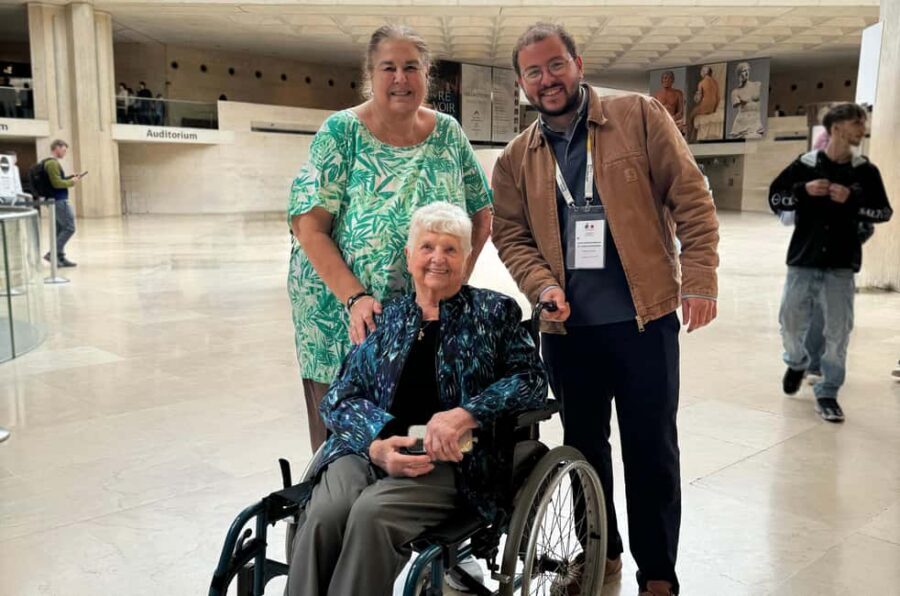
The Louvre is famous for its scale, and that’s exactly why this format works. When you have a private guide handling route decisions, you’re less likely to lose time at bottlenecks or get stuck waiting while crowds flow around you. The goal here is a museum experience that feels controlled, not chaotic.
The real value is the attention to barrier-free movement. This tour is designed around elevators and accessible pathways, so you’re not constantly negotiating stairs, tight turns, or unclear circulation. You also get the guide’s storytelling help, which turns “we saw it” into “we understood why it matters.”
The second big win is the pace. A private group means you can slow down for the moments you care about, then speed up only if you want to. That’s where guides like Walid often shine, especially when visitors have questions and need time to process what they’re looking at.
You can also read our reviews of more private tours in Paris



Getting started: the Louvre pyramid, horse statue, and the Dayin sign

Your meeting place is clear and practical: stand next to the horse statue in front of the Louvre pyramid. If you use Google Maps, search Louvre Pyramid, then look for your guide holding a blue Dayin sign. This kind of “simple and visible” meeting point matters because it reduces confusion right when you’re arriving.
If you choose hotel pickup, your guide meets you in the hotel lobby and an accessible taxi is waiting at pickup time. The taxi brings you to the Louvre, which can be a big stress reducer in busy Paris traffic. One thing to note: drop-off after the tour is not included, so plan how you’ll get back.
For timing, leave extra room for traffic. The Louvre visit starts with transportation (a van transfer is part of the schedule), and arriving late can throw off the whole rhythm of a short, focused tour.
The van transfer: short, useful, and not wasted time

The itinerary includes a van ride of about 30 minutes to reach the museum. Even though it’s not long, it helps you settle before you hit the galleries. If you’re already dealing with wheelchair setup, weather, or the energy it takes to navigate a major museum entrance, this buffered start helps a lot.
Think of this transfer as a “warm-up” period. You’re not starting your day trying to decode signage, find elevators, and manage crowd timing all at once. Instead, you arrive ready to move.
Inside the Louvre: 2 hours of guided, accessible highlights

Once you enter, your guided portion lasts about 2 hours (with the overall tour running about 150 minutes to 3 hours). The main idea is a focused route that hits major masterpieces while staying realistic about accessibility.
Your guide leads you at your pace, using elevators and accessible corridors when needed. That’s not just convenience; it’s also how you avoid the frustration of backtracking or getting stuck in spots that aren’t wheelchair-friendly. You’ll still be inside a working museum with real foot traffic, but you’re not trying to brute-force the building by yourself.
A smart part of the setup is that you can explore more on your own after the tour ends. The guided time acts like a foundation, so when you continue independently, you’re not starting from zero.
What makes the guided loop work
This is a private experience, so your guide can adjust based on your interests and how you’re feeling. If you want more time with one artwork, the guide can shift attention. If your group has questions, you don’t have to rush past them to keep up with a larger group.
That’s also where the licensed, accessibility-trained guidance matters. The guide isn’t just reciting facts. They’re managing movement and flow so you can actually enjoy the art while staying comfortable.






The masterpieces you’ll likely see: Mona Lisa, Venus de Milo, and more
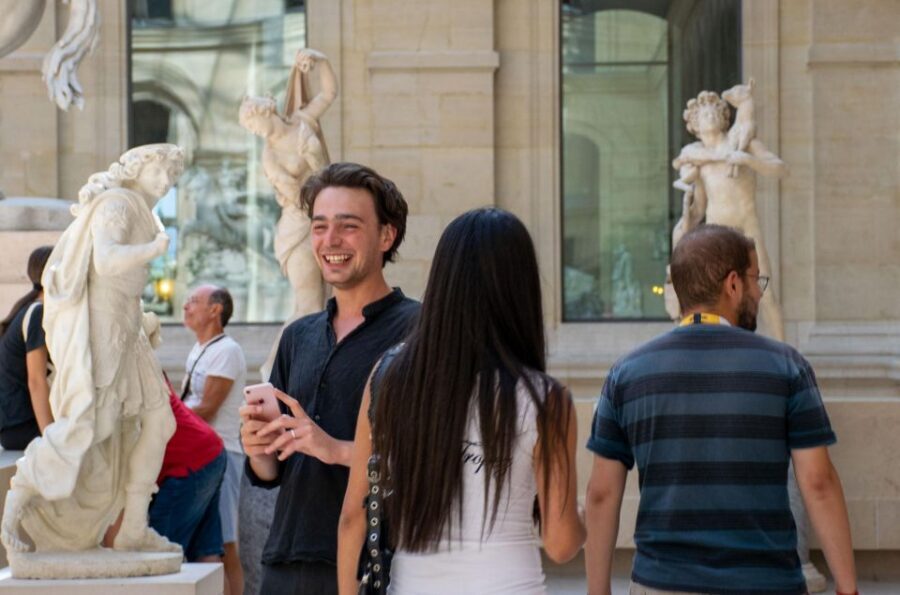
The Louvre’s top works are popular for a reason, and this tour’s structure is designed to get you to the big names without the stress of figuring it out first. You’ll visit major must-sees such as Mona Lisa and Venus de Milo, along with other iconic works.
What I like about this approach is that it treats the collection like a path, not a scavenger hunt. In a crowded museum, the ability to choose what to see first is everything. With a guide, you can prioritize the artwork that matters most to you and still feel like you got a complete, satisfying overview.
Storytelling is another key ingredient. Instead of treating masterpieces like postcards, the guide connects what you’re looking at to context and meaning. For people who find art intimidating, that guidance can turn the experience from confusing to enjoyable fast.
Accessibility reality check: what’s covered, what to expect, and how to prepare
This tour is wheelchair accessible and uses elevators and accessible pathways, plus a wheelchair rental at the Louvre is included. If you already have a wheelchair, you can let the company know when booking, including what type you use. That’s useful because it helps the guide plan around your setup and comfort.
Still, it’s important to be honest about the building. Some parts of the Louvre may not be accessible with a wheelchair, and certain galleries can close without notice due to restoration, loans, or other museum operations. That means your exact route may vary, but the tour is designed to keep you on the most workable path.
Also, there are rules you’ll want to follow to avoid last-minute hassles: luggage or large bags are not allowed, and selfie sticks are not allowed. If you’re planning a wheelchair day, travel light and think about what you can comfortably manage without bringing a big bag.
Crowd stress vs. guided flow: why “relaxed and crowd-free” isn’t just marketing
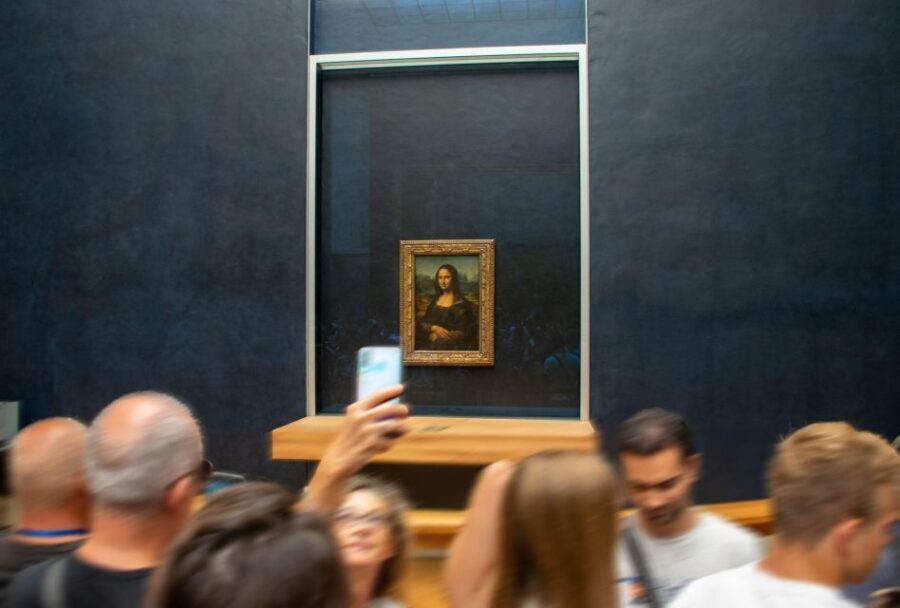
The Louvre can feel like a moving maze. This tour aims to reduce that by guiding you through the museum highlights in a calmer setting, with help from guides who know how to navigate the busiest moments. The big difference is that you’re not guessing where to go next.
Private pacing matters here too. Even when the museum is busy, it’s easier to stay comfortable when your guide can slow down at transitions or pause when you need a breather. And because the group is private, you’re not constantly negotiating space with strangers.
The result is a better experience for anyone who wants to see the art without feeling rushed through it. It’s also a strong option if you’re traveling with an elderly parent or someone who gets tired from long stretches, since the guide can adapt the time spent at each artwork.
Language choices and the kind of questions a guide can handle
The tour offers live guidance in several languages: English, French, Spanish, Chinese, and Traditional Chinese. That’s a practical advantage if you want to understand details in your strongest language rather than relying on guesswork or reading labels only.
The guide’s role is also active. You can ask questions, get answers, and spend time where you’re curious. This is where guides like Walid are especially valued in the provided feedback: they’re described as patient, flexible, and able to provide ready answers without rushing you.
Price and value: is $377 per person worth it?
At $377 per person for about 2 hours of guided time (plus transportation as scheduled), it’s not a bargain price. But it also isn’t just you paying for a ticket and a map.
Here’s what you’re getting that you’d otherwise have to solve yourself:
- A licensed guide with accessibility training
- Entrance tickets included
- A private experience
- Wheelchair rental included at the Louvre
- Skip-the-ticket-line entry
- Optional hotel pickup with an accessible taxi
For wheelchair users, the cost often makes sense when you factor in the value of having someone handle route barriers, elevator choices, and timing. Instead of spending your energy managing the museum, you’re spending it looking at the art. If you’re visiting with someone who needs extra support, the private format can also prevent the common problem of getting separated or exhausted.
If you already have a very strong local plan and someone who can navigate accessibility needs confidently, you might save money by self-guiding. But if your top priority is comfort, clarity, and seeing the major works with less stress, this price starts to feel reasonable.
Practical tips so your day stays smooth
A few things to do before you arrive will pay off quickly:
- Use Louvre Pyramid in Google Maps and go to the horse statue area first.
- Bring a plan for how you’ll handle bags since large luggage isn’t allowed.
- If you need a wheelchair, tell the team what you have (or whether you need one rented at the museum).
- Leave early for Paris traffic, especially if you chose hotel pickup.
Also, remember the tour doesn’t end with a long sit-down or a museum lecture. You finish at a specific point: Louis XIV sous les traits de Marcus Curtius (copie). After that, you’re free to explore on your own, using the guided route as your starting backbone.
Who this tour is best for
This is a strong match if you want a wheelchair-friendly private Louvre tour and you’d like someone else to handle the hardest part: navigating access in a huge, crowded museum. It’s also a good choice if you like the idea of art storytelling paired with a calm, structured route.
If you prefer independent browsing all day, this might feel a bit too organized. But if you’d rather see the main masterpieces confidently, then roam afterward with a better sense of where everything is, the format fits well.
It’s also a smart option for multi-language groups since guide language can be chosen across several options.
Should you book this wheelchair-friendly private Louvre tour?
Book it if your biggest goal is a smoother Louvre day: step-free routing, skip-the-line entry, wheelchair rental, and a private guide who can keep the plan flexible. The included accessibility training and practical meeting setup help remove the uncertainty that can make museum days exhausting.
Skip it (or consider a different approach) if your priority is maximum “see every room” coverage. The tour is focused by design, and some sections may be inaccessible or temporarily closed. If you want total breadth, you’ll need extra time beyond the guided window anyway.
FAQ
FAQ
How long is the wheelchair-friendly private Louvre tour?
The duration is listed as 150 minutes, or about 3 hours.
Where do we meet the guide at the Louvre?
Meet your guide next to the horse statue in front of the pyramid, with the guide holding a blue Dayin sign.
Does the tour include a step-free route?
Yes. The tour is designed for a full accessible Louvre experience using elevators and accessible pathways, though some parts of the museum may not be wheelchair accessible.
Is wheelchair rental included?
Yes. Wheelchair rental at the Louvre is included, and you can also mention what wheelchair you already use when booking.
What’s included in the price?
Included are the licensed guide with accessibility training, entrance tickets to the Louvre, the private experience, wheelchair rental, and an optional hotel pickup (if you select it).
Is ticket pickup or waiting required?
No. The tour includes skip the ticket line.
Do you offer hotel pickup?
You can choose hotel pickup. Your guide meets you in the hotel lobby, and an accessible taxi will be waiting in front of the hotel for the scheduled pickup time.
Is drop-off included after the tour?
No. Drop-off is not included.
Are there restrictions on what I can bring?
Yes. Luggage or large bags are not allowed, and selfie sticks are not allowed.