REVIEW · PARIS
German private Walking Tour through Montmartre & Passages
Book on GetYourGuide →Operated by HelpTourists · Bookable on GetYourGuide
Montmartre reads better in German. This private 4-hour walk strings together Moulin Rouge, Sacré-Cœur, Place du Tertre, historic passages, and a finish near Opéra Garnier, with a German-speaking guide who keeps the story flowing. I like that it’s a true private tour in German (not just a translation app), and I also like the specific focus on the artists’ Montmartre quarter plus the lesser-known 19th-century passages. The only real watch-out: it’s a lot of walking in one stretch, so plan quick breaks, especially if you’re traveling with kids.
You’ll move from iconic landmarks to the calmer side streets that sit just off the main tourist lines. You also get a built-in change of scenery: from Montmartre’s artist corners to the Grands Boulevards viewpoints, and then into the covered passageways before ending at the big theater stop. One practical note to keep you from getting surprised: the route is scheduled to finish at Opéra Garnier, but the activity’s end-point note can read like it returns to the meeting area—check with the guide so you know where to step off.
In This Review
- Key things to know before you go
- Entering Montmartre with a German-speaking guide
- Starting at Pl. Blanche and finding your guide by Moulin Rouge
- Moulin Rouge as the launch pad for Montmartre’s artist story
- Sacré-Cœur and Place du Tertre: the postcard spots with real context
- Beyond the crowds: how the tour keeps Montmartre interesting
- Grands Boulevards and older boulevard viewpoints
- Passage Jouffroy: stepping into a covered 19th-century world
- Passage Verdeau and more “hidden Paris” moments
- Opéra Garnier (Palais Garnier) and the Phantom thread
- Price and value: is $183 per person worth it?
- Who this tour suits best (and who should think twice)
- Quick booking verdict: should you book it?
- FAQ
- What language is the tour?
- How long is the walking tour?
- Is this a private tour?
- Where does the tour start?
- Where does the tour end?
- Which sights are included?
- Does the tour include Opéra Garnier history?
- How much does the tour cost?
- Are children allowed?
- Can I get a refund if plans change?
Key things to know before you go
- Private, German-speaking guide: ask questions and get explanations you can actually follow.
- Montmartre as an artists’ route: you’re guided through the quarter tied to late-19th and early-20th century artists.
- Off-the-main-path Montmartre stops: you’ll see quieter places, not only the busiest photo spots.
- 19th-century passages on the route: Passage Jouffroy and Passage Verdeau are part of the plan.
- City-view walking on the Grands Boulevards: a change of pace with classic boulevard sightlines.
- Opéra Garnier stop with Phantom history: the theater building isn’t treated like a quick photo stop.
Entering Montmartre with a German-speaking guide
This tour works because it treats Paris like a story you can walk through. You start at 1 Pl. Blanche by Metro Blanche and move through the area from cabaret-world to artists’ streets, then into older “arcade” style passages, and finally toward the opera district. Doing it as a private tour in German means the guide can keep context tight—what you’re seeing, why it matters, and how it connects to the next stop.
The format also helps you get more out of the time. In four hours, most visitors either stick to a tight loop in Montmartre or hop between neighborhoods without a thread. Here, you follow a thread: artists → iconic Montmartre → hidden 19th-century passages → grand boulevards → Opéra Garnier.
And you don’t just get facts thrown at you. The tour includes insider info about Place du Tertre, plus background on artists who lived and worked in Montmartre around the turn of the century. One German-speaking guide named Katharina comes up in the feedback as a standout for local stories and useful details about the area—exactly what you want from a private guide.
You can also read our reviews of more walking tours in Paris



Starting at Pl. Blanche and finding your guide by Moulin Rouge
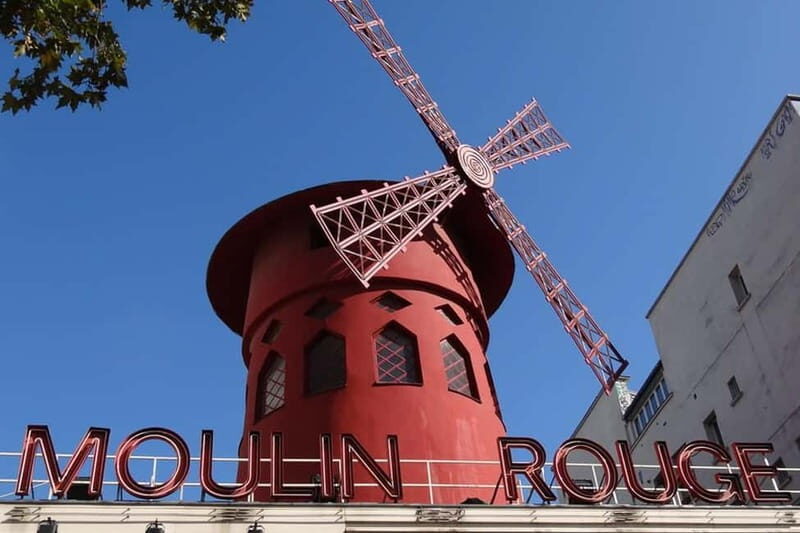
You begin at Metro Blanche (line 2), at the small traffic island in front of Moulin Rouge. Look for your guide holding a HelpTourists bag. This is a good start point because it’s easy to reach and easy to recognize. It also means you begin with an unmistakable landmark right away, so you get oriented without wasting the first minutes hunting for the meeting place.
From a comfort point of view: you’re already in motion. This isn’t a slow, sit-down museum start. You’ll walk from the start into the Montmartre quarter, so wear shoes you trust. The tour is private, so if you need a quick regroup moment, your guide can usually adjust—but don’t plan on long detours.
Moulin Rouge as the launch pad for Montmartre’s artist story
Moulin Rouge is your first sightseeing stop. Even if you don’t care about the nightlife side of Paris, it’s a smart choice as a starting point because it anchors the area’s identity. From there, the guide steers you toward the artists’ neighborhood in the north of Paris and brings in history about the area and the artists who lived and worked there around the late 1800s and early 1900s.
What I like about this approach is that the guide doesn’t treat Montmartre as a single highlight. Instead, you see it as a lived-in creative zone, with a timeline that helps you understand why certain places became famous. If you’re the type who likes to connect buildings to people and events, you’ll get a lot more out of the walk than you would from a checklist.
Sacré-Cœur and Place du Tertre: the postcard spots with real context
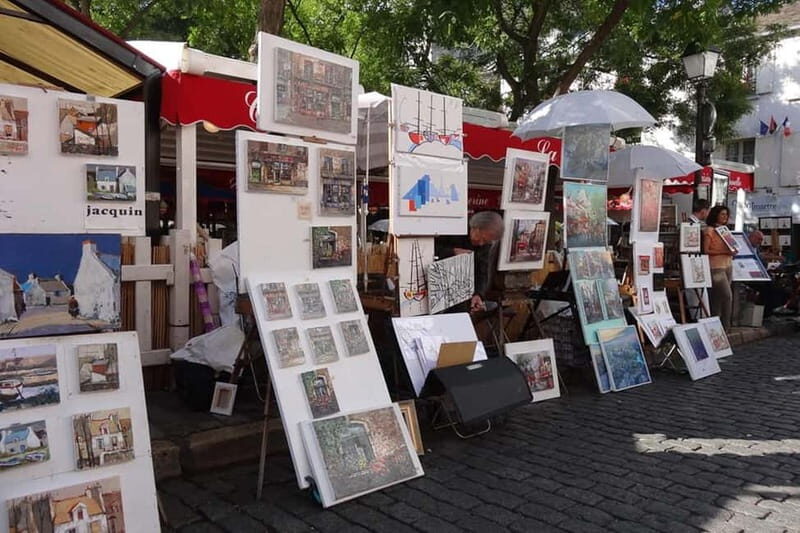
Sacré-Cœur Basilica is next, followed by Place du Tertre. These are the two names everyone knows, but the value here is how they’re used in sequence. Sacré-Cœur sets the landmark scale of Montmartre. Place du Tertre then explains the artist-square atmosphere in a way that makes the space feel intentional rather than random.
At Place du Tertre, the tour includes insider information about the famous artists’ square. That matters because this place can look like a tourist stage if you don’t know what to look for. You’ll also get history connected to the artists linked to Montmartre. The guide’s job is to help you see how the quarter’s creative identity formed, so you don’t just snap a photo and move on.
One more advantage: since this is private, you can ask follow-up questions when the guide mentions a name or an artistic detail. That’s usually where tours in English or group formats feel thin—you miss the follow-ups. Here, you don’t have to.
Beyond the crowds: how the tour keeps Montmartre interesting
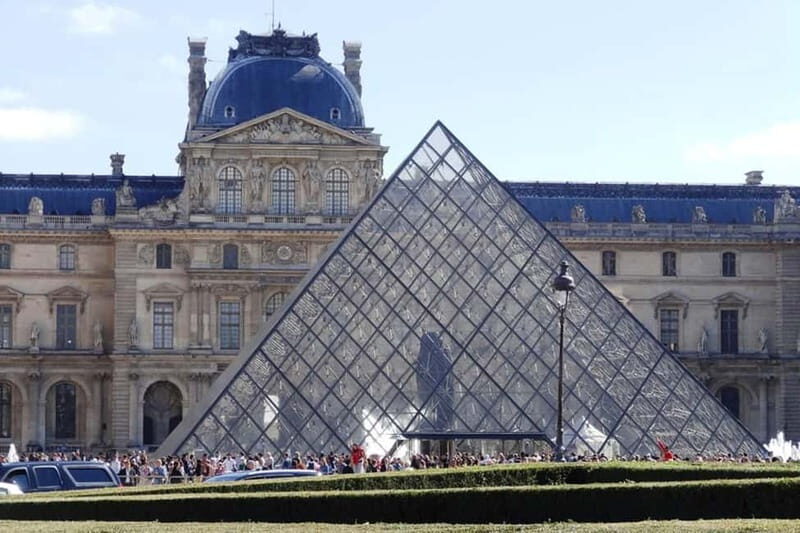
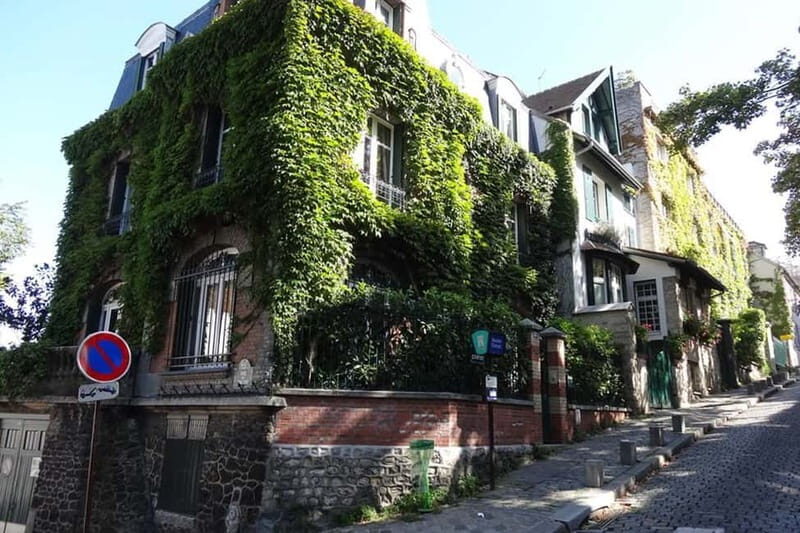
Montmartre can get crowded fast. This tour explicitly includes “the lesser known side of Montmartre,” which means you’ll spend time away from the main lines. You’re still in the artists’ quarter, but the route is designed to give you calmer corners and beautiful spots you might not find on your own.
In practice, this part of the walk is about feeling the neighborhood texture. You’re not only there for the big sights; you’re there to understand how the area functions as a quarter. If you enjoy street-level Paris—small lanes, sudden views, the rhythm of local life—this is where the tour pays off.
It also keeps the pacing from becoming repetitive. Instead of bouncing between “top 3 Montmartre photos,” you get a mix: iconic stops, artist-square commentary, and then quieter sections that let your eyes reset.
You can also read our reviews of more private tours in Paris





Grands Boulevards and older boulevard viewpoints
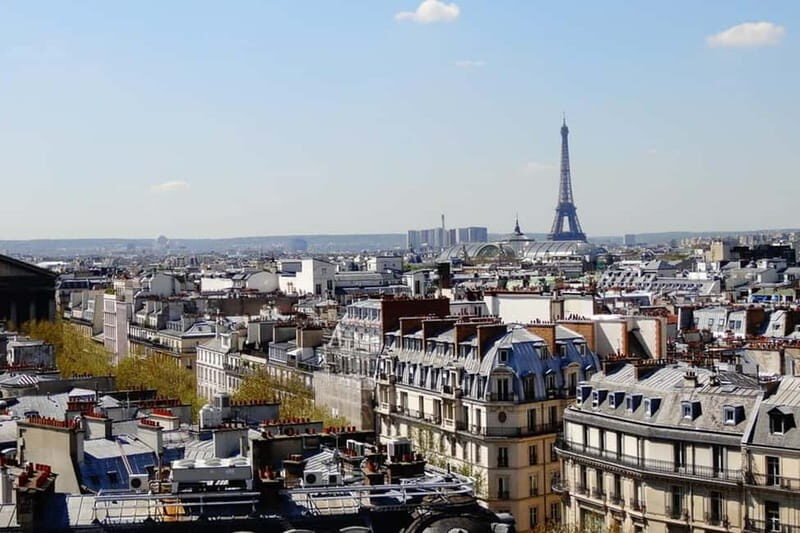
After Montmartre, you continue toward the Grands Boulevards and enjoy unique views. The tour describes this as continuing to the oldest boulevards in the city, which fits the idea that Paris changes tone when you step onto wider, more formal streets.
This stretch is valuable because it breaks the Montmartre “hilltop feel.” Boulevards bring you long sightlines and a different kind of Paris energy. You also get a city-wide perspective: you’re walking with context, so you notice how neighborhoods connect rather than feeling like you’re hopping between unrelated places.
If you’re the type who likes photography, this is often the easier part of the walk to plan around. It’s not just about finding one monument; it’s about seeing the urban layout.
Passage Jouffroy: stepping into a covered 19th-century world
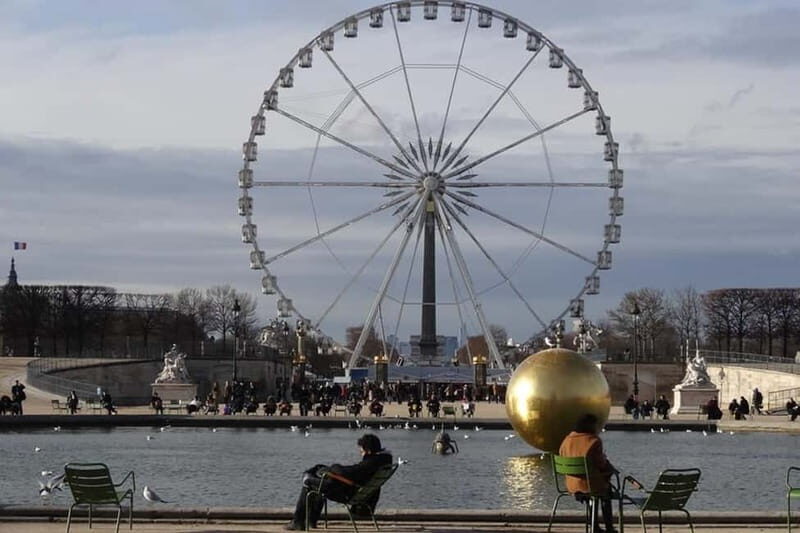
Now you get to one of the most fun and unexpected parts of the route: the passages. Passage Jouffroy is one of the stops, and it fits perfectly into the tour’s theme of 19th-century Parisian secrets you don’t see on standard “Montmartre only” itineraries.
These passages are essentially the kind of elegant, semi-hidden pedestrian corridors Paris is known for—places where the city feels compact and architectural. Instead of standing outside in the open, you’re inside a space designed for strolling. That changes the feel immediately, and it’s a great break from big-sight crowds.
This is where having a guide in German helps. A passage isn’t just a pretty hallway; the guide ties it to the broader story of 19th-century Paris, so you’re not only enjoying the visuals.
Passage Verdeau and more “hidden Paris” moments
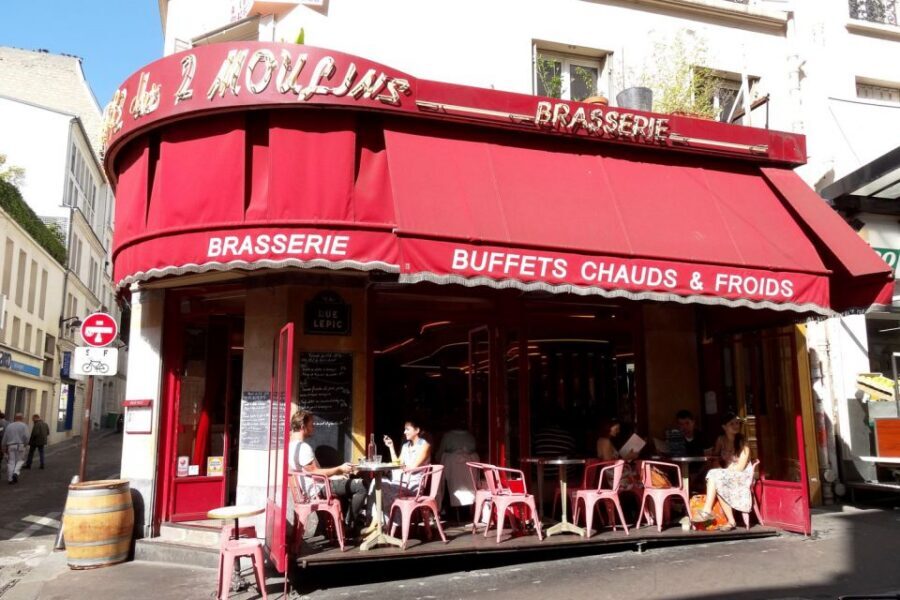
Passage Verdeau follows, continuing the theme of hidden Parisian passages from the 19th century. The best part of doing both passages in one tour is variety. You get two different architectural “moods” while staying in the same historical lane.
Think of this as your mid-walk reset: you’re still moving, still sightseeing, but you’re switching from open streets and viewpoints to enclosed, detail-rich corridors. If you like small discoveries—doors, ironwork, the feel of old commerce and pedestrian life—this portion will keep you engaged even if you’ve already seen a lot of Montmartre.
There is also at least one additional sightseeing segment between the passages and the opera stop, so the transition toward the theater district doesn’t feel abrupt.
Opéra Garnier (Palais Garnier) and the Phantom thread
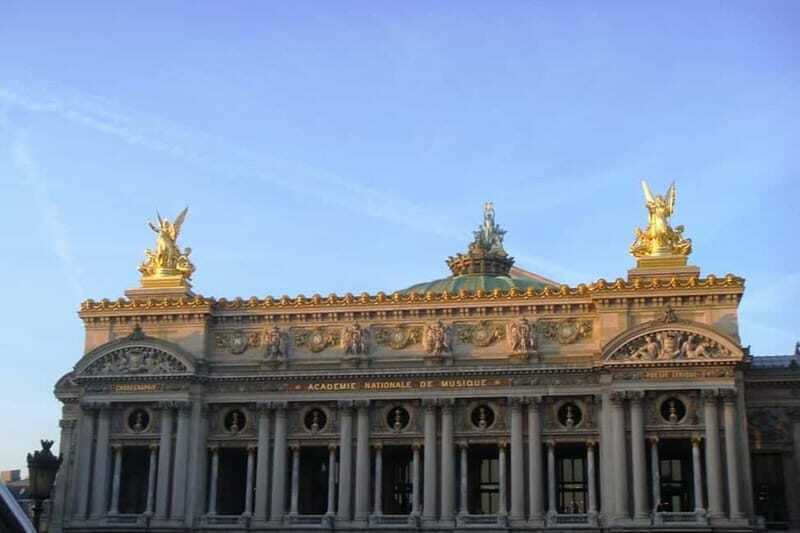
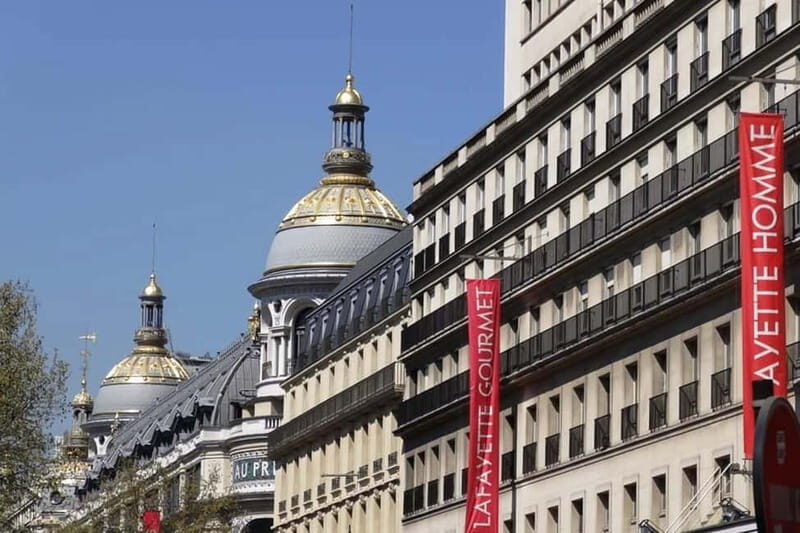
The tour passes Palais Garnier and includes history connected to the Phantom of the Opera. This is a smart inclusion because it gives you a cultural hook right when you arrive at one of Paris’s most famous theater landmarks.
Opéra Garnier isn’t only about grandeur from the outside. The value here is the story thread: you’re not just looking at a building; you’re hearing how popular imagination and architectural history connect. If the Phantom story is familiar, the guide’s context helps you see the building differently. If it’s not, you still get the reason the opera building matters beyond its fame.
The final step of the day is finishing at Opéra Garnier. Just be sure you’re clear on where you finish in relation to where you started—because the route plan and the end-point note don’t perfectly match. A quick confirmation with your guide at the start of the tour can save you stress at the end.
Price and value: is $183 per person worth it?
At $183 per person for a 4-hour private walking tour in German, this is not a budget add-on. You’re paying for two things that usually cost real money in Paris: privacy and language.
You’re getting:
- a private guided walking tour
- a German-speaking city guide
- a route that combines major sights with off-the-beaten-path sections
- several specific highlights you don’t always see on Montmartre-only walks, like Passage Jouffroy and Passage Verdeau
- a theater-history stop tied to Opéra Garnier and Phantom context
If you’re traveling with family, friends, or a partner and you want the flexibility to pause, ask questions, and keep the pace tailored to your group, private value often beats group-tours-on-rails. If you’re comfortable relying on self-guided walking plus a translation app, you might find cheaper options. But if you want explanations in German and a coherent route that connects Montmartre to the opera district, the price starts to look fair.
Practical value tip: if you need food or bathroom breaks, keep them short. One feedback note about a group with small kids losing time to a long restaurant break is the kind of thing you can avoid. Ask the guide where a quick option is best, then get back on pace.
Who this tour suits best (and who should think twice)
This is a great fit if you:
- want a private experience instead of a crowded group
- speak or prefer German for city history
- care about the artistic side of Montmartre, not just the scenery
- like hidden Paris details, like the 19th-century passages
- enjoy walking routes that connect multiple iconic areas in one go
It’s less ideal if:
- you need long meal stops mid-tour, since four hours goes quickly on foot
- German narration isn’t comfortable for your group and you don’t want to follow along with limited language
Quick booking verdict: should you book it?
I’d book this if your ideal Paris day includes Montmartre’s artists’ quarter, at least one or two “I didn’t know Paris had this” moments, and a solid ending at Opéra Garnier with a story in mind. The private German format is the big selling point, and the route’s mix of Montmartre landmarks, quieter side areas, passages, and boulevard viewpoints makes it feel more complete than a single-neighborhood tour.
Just do two things before you go: wear comfortable walking shoes, and confirm the exact finish location with your guide since the route mentions Opéra Garnier while the activity notes can imply a return. If you handle those, you’ll likely come away with a smarter, more personal version of Paris.
FAQ
What language is the tour?
The tour is guided in German.
How long is the walking tour?
It lasts 4 hours.
Is this a private tour?
Yes. It’s a private group tour for your group only.
Where does the tour start?
It starts at Metro station Blanche (line 2) on the small traffic island in front of Moulin Rouge, Paris. You should look for your guide with a HelpTourists bag.
Where does the tour end?
The itinerary says it ends at Opéra Garnier, but the meeting point info also notes it ends back at the meeting point. Confirm the exact end point with your guide.
Which sights are included?
You’ll see stops that include Moulin Rouge, Sacré-Cœur Basilica, Place du Tertre, Grands Boulevards, Passage Jouffroy, Passage Verdeau, and Opéra Garnier (Palais Garnier).
Does the tour include Opéra Garnier history?
Yes. You’ll pass Palais Garnier and learn more about the history connected to the Phantom of the Opera.
How much does the tour cost?
The price is $183 per person.
Are children allowed?
Yes. Children younger than 12 can join for free of charge.
Can I get a refund if plans change?
You can cancel up to 24 hours in advance for a full refund. You can also reserve now and pay later to keep flexibility.