REVIEW · PARIS
Louvre Museum: Guided Tour at Closing Time with Mona Lisa
Book on Viator →Operated by The Tour Guy · Bookable on Viator
Late-day Louvre energy is different. The crowd noise drops a notch, and you still get the big hits. This is a short, guided plan designed for the closing hours, with time saved thanks to included admission. I like that it’s a small group (max 20) and that it’s built around seeing the Louvre’s most famous works without spending your whole day in line.
Two things I’d prioritize if I were booking: you get admission included, and your guide turns the key rooms into a quick story you can actually remember. One possible drawback to plan for is that even in the afternoon, the Louvre around the Mona Lisa can stay busy, so you’ll want to stick close to your guide and accept that you won’t have a private museum.
In This Review
- Key things to know before you go
- Closing-time at the Louvre: why the last hours can feel better
- Where you meet: the Louvre Pyramid spot that actually makes sense
- The guide and the small-group pace (up to 20)
- Stop 1: Your route through the Louvre’s changing role
- The Mona Lisa moment: famous for more than the painting
- Sculpture highlights: Winged Victory and Venus de Milo
- The before-closing feel: the “highlights only” mindset
- Price and value: what $66.38 gets you here
- What to pack and how to time your day
- Who this tour suits best
- Should you book this closing-time Louvre tour?
- FAQ
- How long is the guided tour?
- Is the Mona Lisa included in the tour?
- Is museum admission included in the price?
- What is the group size?
- What language is the tour offered in?
- Where do you meet the guide?
- Is hotel pickup included?
- Is food included?
- Are there any special free-admission rules?
- What’s the cancellation window?
Key things to know before you go
- Short closing-time format (about 2 hours), so you’re not stuck managing the whole museum
- Mona Lisa focus with a guided explanation of why it’s famous (and famously insured)
- Small group cap of 20, which helps with crowd control and keeping track of everyone
- Admission ticket included, which reduces your own ticket-panic at the gates
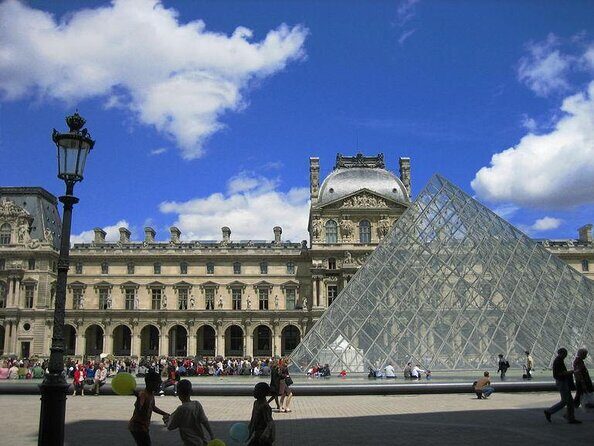
- Meeting at the Louvre Pyramid / Louis XIV statue, a central, easy-to-find landmark
- English-speaking guides with strong storytelling, often praised by families and first-timers
Closing-time at the Louvre: why the last hours can feel better
The Louvre is huge. Even with a plan, you can feel like you’re sprinting through famous rooms. A late-afternoon visit changes the vibe in a very practical way: you’re often seeing the museum after part of the day’s rush has burned through.
This tour is designed for that timing. You get to step inside and cover the highlights in a shorter window—about 2 hours in total, with 1 hour 30 minutes inside alongside the included admission. That matters because the Louvre rewards focus. You won’t see everything, and you shouldn’t try to. You’ll see the best-known works, plus the story threads that connect them.
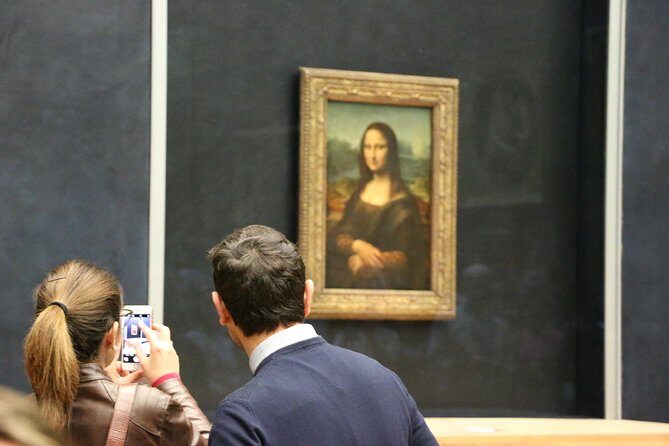
You’ll also likely feel less pressure than you would on a long morning tour. One reason people love this style of timing is simply human: it’s easier to stay patient when the museum isn’t at full daily peak. Still, don’t assume it’s empty. Even near closing time, the Mona Lisa area can stay crowded—just not as chaotic as earlier hours.
You can also read our reviews of more guided tours in Paris



Where you meet: the Louvre Pyramid spot that actually makes sense
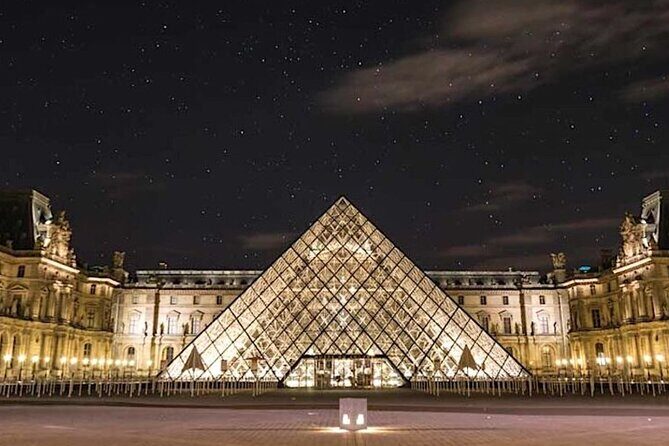
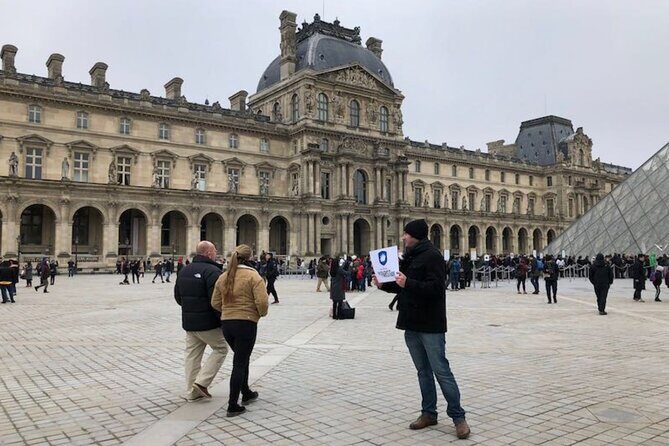
Meeting point clarity can make or break your day at the Louvre. This tour starts at a very specific location: the equestrian statue of Louis XIV, listed as Louis XIV sous les traits de Marcus Curtius (copie), right by Cour Napoléon and the Louvre Pyramid.
That’s a good sign for you. The Pyramid is a landmark most first-timers can navigate, and it keeps you from wandering the grounds like you’re starring in a detective movie.
One practical piece of advice from real-world tour experiences: arrive a bit early and be ready to go when your group is called. Group tours work best when everyone is on-site together. If you show up late, you can end up splitting from the plan in the worst place possible—right at the museum entrance flow.
The guide and the small-group pace (up to 20)
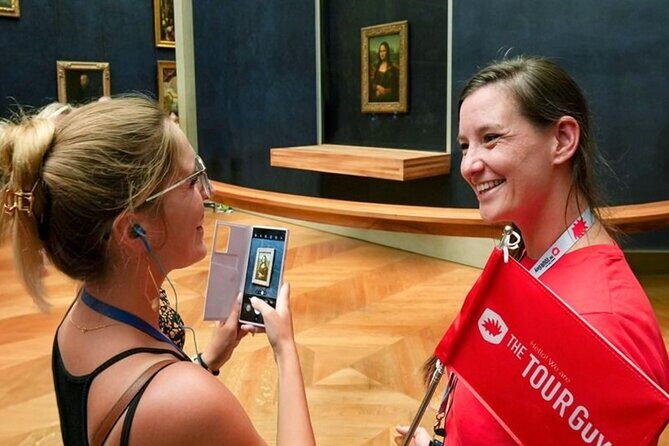
The tour runs with a guide and a maximum of 20 travelers. That size is a sweet spot. Big enough that it doesn’t feel awkward, small enough that your guide can still steer the group through packed rooms.
Where this really pays off is crowd navigation. Guides are often praised for getting people to the right spots without you spending the whole hour just trying to locate the famous painting you came for. Names that popped up in guide feedback include Anastasia, SID, Will, Nazle, Tina, Nadia, Rowda, Melissa, and Z—and what’s common across these mentions is not just facts. It’s organization, pacing, and keeping kids and adults from getting bored.
If you’re traveling with teens or younger kids, this shorter format can be a strong match. One family said it was a great first intro for a 12-year-old granddaughter—while another pointed out that even a short tour can be a bit much for kids if they’re not in the mood to stand, listen, and move quickly. So think about your crew. If your kids can handle a museum walk for 90 minutes with stories, you’ll probably be fine.
And for everyone: stick close. Multiple comments mention that the Mona Lisa area is where crowds compress. If you drift, you might miss your guide’s next move—and at the Louvre, missing the guide usually means missing the best viewing rhythm.
Stop 1: Your route through the Louvre’s changing role
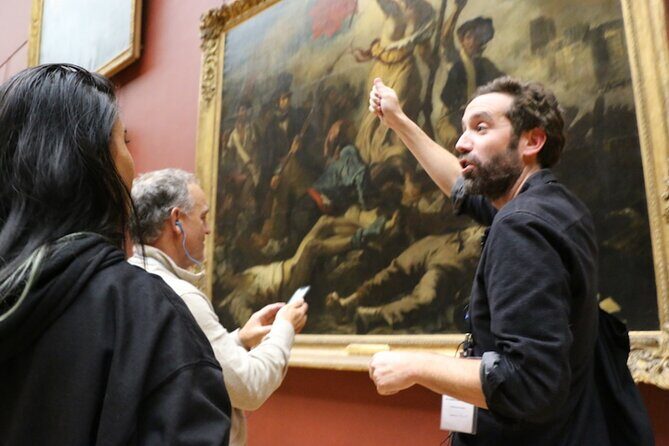
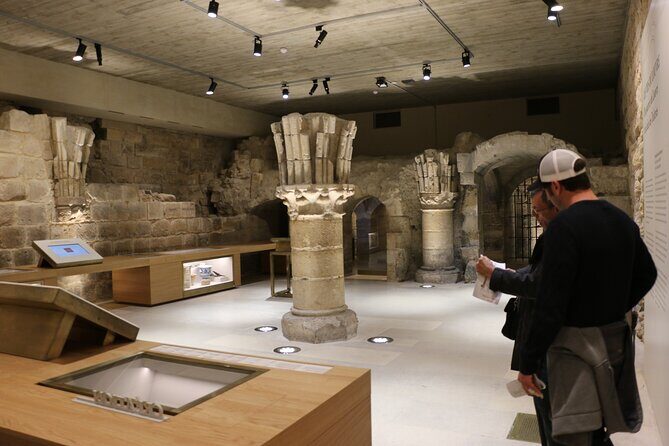
Inside, you’ll follow your guide past some of the museum’s most famous pieces. But you’re not just reading labels. The tour frames the Louvre’s evolution: it started as a fortress and palace, and over time became the art museum people know today.
That context helps your brain. Without it, the Louvre can feel like an endless stack of rooms. With it, the museum turns into a story about power, art collecting, and how France shaped what visitors see.
Expect the guide to connect themes quickly. You might not become an expert in one afternoon, but you’ll come away with a clearer sense of why certain works are positioned as “the” works. Your guide’s job is to make the order of rooms feel logical, and that’s exactly what people praise most: clear direction and the right amount of explanation.
The Mona Lisa moment: famous for more than the painting
Let’s talk about the reason most people book: the Mona Lisa. On this tour, you get there with a guide and fewer crowds than earlier in the day. The goal isn’t only to see it. It’s to understand why it’s become a global magnet.
Your guide will cover the basics of why the painting is so famous—and yes, it’s tied to staggering insurance value. The tour information lists it at $800 million, which explains why this piece is treated like a security priority, not just a masterpiece.
Here’s what you should expect in real terms:
- You’ll likely have the chance to get a photo without feeling like you’re standing in a wall of elbows.
- You’ll be in the area long enough to actually look, not just speed-past for a checkmark.
- You’ll get the story behind the reputation, so it doesn’t feel like a tourist obstacle.
Still, one caution: the Mona Lisa is famous. Even late afternoon, it can stay busy. If you want the best shot of the painting, you’ll need to play the guide’s timing game—move when they move, and don’t wander off to read every plaque nearby.
You can also read our reviews of more museum experiences in Paris






Sculpture highlights: Winged Victory and Venus de Milo
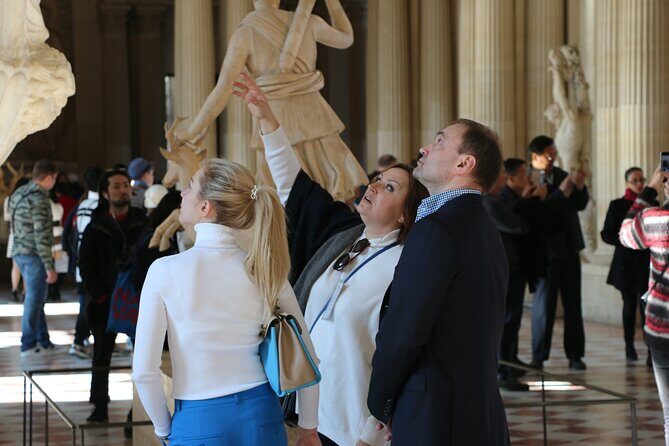
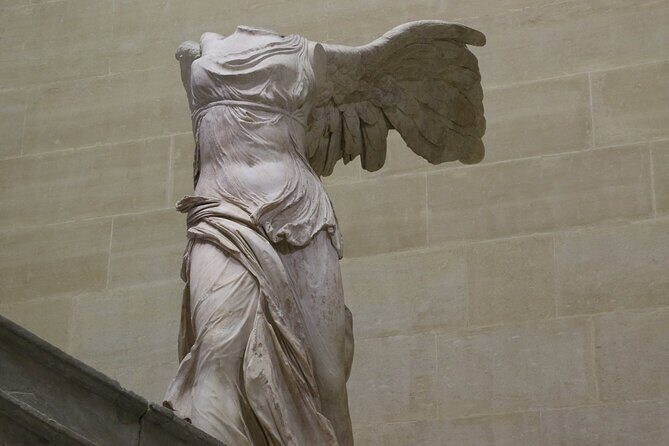
The Louvre isn’t only paintings. This tour also builds in major sculpture moments. You’ll stop for famous works including the Winged Victory of Samothrace and Venus de Milo.
Why I like including sculptures in a short tour: they change your body’s posture. A painting stop is one kind of focus. A statue stop is another. It helps your visit feel varied in a way labels can’t. Also, these pieces are so visually iconic that once you see them, your memories stick.
The tour’s crowd-handling matters here too. Even if sculptures are spread around the museum, a guide can time your route to minimize bottlenecks. Some visitors mention getting to sights like the Venus de Milo and other areas with less crowd pressure by staying with the plan to the end.
The before-closing feel: the “highlights only” mindset
At the closing-time vibe, you’re choosing a specific travel style: highlights, not completion.
For value-minded visitors, this is smart. The Louvre can consume your whole day and still leave you with a vague sense that you saw a lot, but you don’t remember what mattered. A 2-hour plan forces decision-making. It also tends to keep your attention steady—because you’re always moving toward the next recognizable piece.
You’ll leave feeling like you got the essentials, with enough guidance to make the essentials meaningful. That’s why it works so well for first-timers. And it also works for repeat visitors who don’t want to spend hours resetting their route.
A small humor note: the Louvre is so big that even the highlights can feel like “where did the hour go?” That’s why the tour length is the point. You’re buying focus.
Price and value: what $66.38 gets you here
The price listed is $66.38 per person, and the tour includes admission tickets. That last part is the value engine.
Here’s the math logic you can use:
- The included museum admission is listed as €32 for non-EEA visitors and €22 for EEA visitors.
- Your money is paying for the guide, the guided route, and the benefit of arriving with fewer friction points at the entrance flow.
So you’re not only paying to enter. You’re paying to make your time inside count. And at the Louvre, time is the currency that runs out first.
One caution on price expectations: a couple of negative experiences in the broader world of ticketing show how important it is to have your entry details correct and your timing on point. I can’t predict every situation. But I can tell you this tour is structured to reduce your stress by including the museum admission as part of the plan.
What to pack and how to time your day
This isn’t a long outing, so you don’t need a huge day bag. But you do need to be ready for a real museum walk. A few practical tips that help in the Louvre:
- Wear comfortable shoes. You’ll cover meaningful ground in a short window.
- Bring a light layer. Museums can shift temperature, and some seasons can feel hot.
- Give yourself buffer time to meet at the Pyramid. Being early is better than speed-running your way to a statue.
Timing matters for crowd pressure. Some experiences mention that later slots like 5:30 felt more manageable than earlier access windows. If you have a choice, pick the late afternoon times you can handle. If you’re traveling with kids, you may also prefer the evening approach because it can feel less like a morning commitment.
Who this tour suits best
This closing-time style tour is a strong fit if you want:
- a short plan for your first Louvre visit
- a guided route that prioritizes famous works
- a smaller-group experience that helps you stay oriented
It’s also a decent match for families with older kids who can tolerate 90 minutes inside plus moving time. Comments praising the tour as an introduction for adolescents show that it can work when the guide’s storytelling keeps the group engaged.
What might not be ideal:
- If you’re sensitive to accents or volume differences, keep in mind that some people found a guide’s voice hard to understand. Since guides vary, clarity can matter. If this is a concern for you, consider choosing a departure time that tends to have fewer chaos moments so you can hear more easily.
- If you need a more leisurely pace and lots of solo time at each stop, the highlights-only focus may feel rushed, especially at the Mona Lisa.
Should you book this closing-time Louvre tour?
If you’re trying to cover the Louvre’s top masterpieces without spending your entire day stuck in lines, book it. The combo of a late-afternoon schedule, a small group (max 20), and admission included is a practical way to turn a big museum into a clear plan.
I’d especially recommend it if:
- you’re visiting for the first time and want the Mona Lisa plus major sculptures
- you’d rather have a guide than risk getting lost in museum scale
- you want a couple of hours that feel focused, not endless
If you hate crowds, you still need to respect the Louvre’s reality. The Mona Lisa area can remain busy even at closing time. But with a guide guiding you through the right moments, you’re more likely to get what you came for.
In short: this is a smart, time-saving Louvre strategy.
FAQ
How long is the guided tour?
The tour is about 2 hours total. The time inside the museum is listed as about 1 hour 30 minutes.
Is the Mona Lisa included in the tour?
Yes. The tour is designed to include a guided visit to the Mona Lisa.
Is museum admission included in the price?
Yes. Admission to the Louvre is included as part of the tour.
What is the group size?
The tour has a maximum group size of 20 travelers.
What language is the tour offered in?
The tour is offered in English.
Where do you meet the guide?
You meet at Louis XIV sous les traits de Marcus Curtius (copie), Cour Napoléon and the Louvre Pyramid area in 75001 Paris.
Is hotel pickup included?
No. Hotel pickup and drop-off are not included.
Is food included?
No. Food and beverages are not included.
Are there any special free-admission rules?
Free admission applies to visitors under 18 and EEA residents under 26, with valid ID and proof of residency.
What’s the cancellation window?
You can cancel up to 24 hours in advance for a full refund.