REVIEW · PARIS
Marais semi private walking tour
Book on Viator →Operated by Paris in person · Bookable on Viator
Paris reveals itself faster in the Marais. This 2-hour semi-private walk takes you through a neighborhood that’s part postcard, part living city—without wasting time. You’ll hit big names like the Centre Pompidou and Hôtel de Ville, but you’ll also get little-known details, street-level history, and a feel for the Marais in motion, not just on maps.
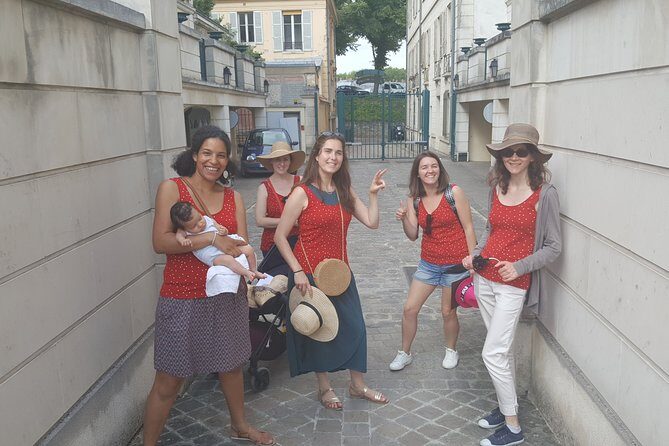
I love two things most: the small group size and the live professional art historian guide. With a cap of 10 people, you actually get follow-up questions and context as you go, which makes the stones and facades start to mean something.
One drawback to plan for: most of the “major sights” are discussed from the outside, not entered—so if you’re hoping for museum or city hall time, this isn’t that tour.
In This Review
- Key highlights you’ll care about
- A Marais walk that helps you read the neighborhood
- Price and logistics: what you’re really paying for
- Stop 1: Les Halles, the belly of Paris
- Stop 2: Fontaine des Innocents, old stone with a long memory
- Stop 3: Centre Pompidou—what changed the Marais
- Stop 4: Hôtel de Ville—civic power, explained without entry
- Stop 5: La Rue des Rosiers, the heart of the Jewish community
- Stop 6: The historical library area and Paris’s oldest paved street
- Stop 7: Jardin de l’Hôtel de Sully, a 17th-century escape
- Stop 8: Place des Vosges, the square everyone agrees on
- Stop 9: Place de la Bastille, history with global weight
- What the guide adds when you don’t go inside
- Who this tour is best for (and when to skip it)
- Should you book the Marais semi-private walking tour?
- FAQ
- FAQ
- How long is the Marais semi-private walking tour?
- How big is the group?
- What does the tour cost?
- Where does the tour start and end?
- Does the tour include snacks?
- Is the Centre Pompidou museum visit included?
- Can you enter Hôtel de Ville during this tour?
- What’s included in the price?
Key highlights you’ll care about

- Max 10 people keeps the walk from feeling like a conveyor belt.
- Art historian guide means explanations that connect architecture, art, and everyday street life.
- Landmark viewpoints only for Pompidou and Hôtel de Ville, so you’re seeing the neighborhood’s story—not buying museum tickets.
- A true neighborhood route from Les Halles through the Jewish quarter to Place des Vosges and Bastille.
- Free entry for each stop since you’re primarily outside, looking in and learning the why.
A Marais walk that helps you read the neighborhood
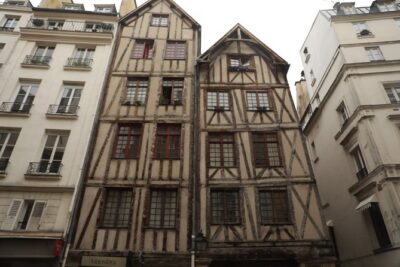
The Marais can feel like Paris at different zoom levels. From a distance it’s a cluster of famous squares and handsome streets. Up close it’s layers—medieval corners, Renaissance-style details, Jewish heritage, civic landmarks, and modern reinvention all living side-by-side.
That’s what I appreciate about doing it with a guide rather than wandering solo. You’re not just taking photos and hoping the story sticks. You’re getting the “why now” behind what you see: what changed, what survived, and how visitors in each era understood the neighborhood. And because the group stays small, the pace feels human. When something sparks curiosity, the guide can answer it without everyone getting shuffled along.
The reviews also point to something practical: the guides’ English and storytelling style matter on a walk like this. Past groups have been impressed with guides such as Tina, Isadora, and Boris—and that tracks with the whole idea of a semi-private tour. In other words, you’re paying for interpretation, not just walking.
You can also read our reviews of more walking tours in Paris



Price and logistics: what you’re really paying for
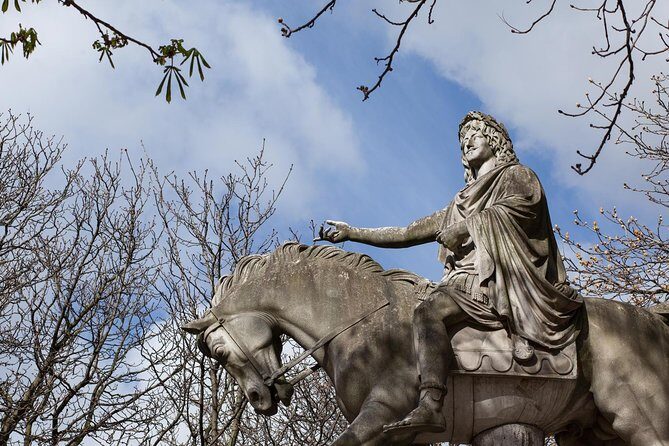
At $171.96 per person for about 2 hours, this isn’t a budget stroll. But it’s not overpriced for what you get either: you’re covering time with a live art historian plus a route built around major landmarks and neighborhood context. The fact that the stops are designed to be outside helps too—there’s no separate cost to show up at each viewpoint.
You’ll start at Café Étienne, 14 Rue de Turbigo (75001) and finish at Bastille (75012). That matters because the Marais is compact, but the “best parts” aren’t all on one loop. Ending near Bastille helps you keep your day moving afterward, especially if you’re planning to go on to the eastern side of Paris.
This tour uses a mobile ticket, which usually makes check-in faster. Also, with free cancellation up to 24 hours, you have some flexibility if your schedule shifts. The main thing to remember is that the tour does not include snacks, so if you’re sensitive to hunger during walks, you’ll want to plan a snack stop before or after.
Stop 1: Les Halles, the belly of Paris
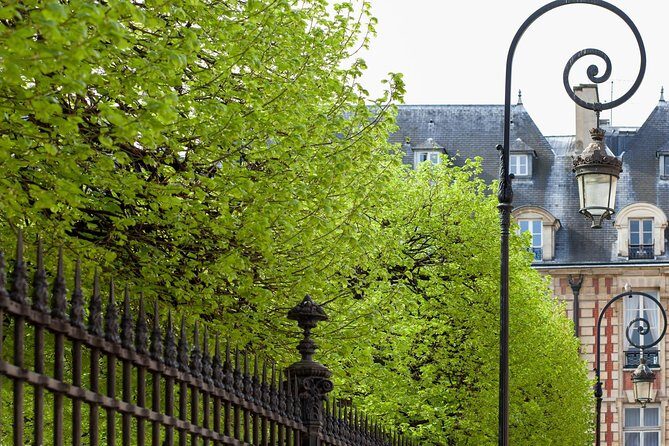
You’ll begin at Les Halles, a place that once earned the nickname the belly of Paris. Even without stepping inside any market building, the surrounding vibe helps set the stage: this was the kind of place that fed the city and pulled in crowds.
Why this stop works on a walking tour: it’s a reminder that the Marais didn’t grow in isolation. The center of Paris mattered, commerce mattered, and crowds mattered. When you learn the “role” of Les Halles, the neighborhood landmarks you’ll see later start to connect to daily life, not just monuments.
This is also a gentle start—about 15 minutes—so it’s ideal if you arrive a little under-caffeinated. If you want to be ready to listen, this is where I’d settle into the pace and get your bearings.
Stop 2: Fontaine des Innocents, old stone with a long memory
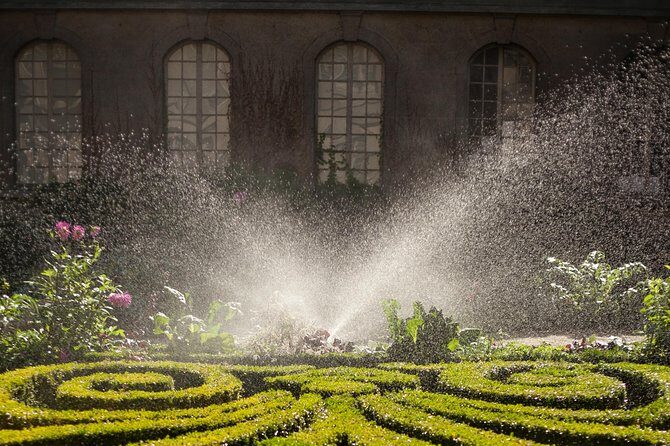
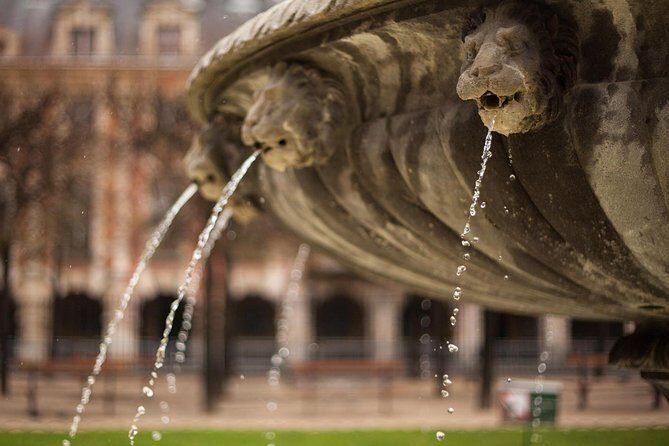
Next comes Fontaine des Innocents, noted as the oldest fountain in Paris. It’s one of those sights that looks straightforward until a guide points out what makes it historically important.
On a short tour, this is smart pacing. A fountain gives you a visual anchor early, and it also offers a chance to talk about how public spaces in Paris functioned—places people used, watched, and gathered around. When you know that it’s the city’s oldest, the small details start to feel intentional rather than decorative.
Plan on about 10 minutes here. It’s enough time to look, absorb, and get the story without turning this into a slow stop.
Stop 3: Centre Pompidou—what changed the Marais
Then you reach Centre Pompidou, and this stop explains a major shift. The guide frames it as a decisive addition that profoundly changed this part of the city. You won’t go inside the museum; you’ll discuss it from the outside.
That sounds limiting at first, but it actually fits the tour’s goal. This is a neighborhood walk, not a museum day. Seeing the Pompidou from street level helps you understand the contrast between old Paris and modern energy. You can connect the architecture around it to what came before and what came after, even if you skip the interior galleries.
It’s about 15 minutes. If you do want museum time later, you can still plan that as a separate visit when you have more hours. For many people, this structure prevents the tour from feeling rushed while still giving you the “big picture” impact.
You can also read our reviews of more private tours in Paris






Stop 4: Hôtel de Ville—civic power, explained without entry
After that, you’ll move to Hôtel de Ville. It’s described as the second most important institution and the second most important historic site of the city. Again, you won’t enter. City hall entry is only possible one day a year, and entry would be a separate experience.
This is one of those moments where a guide’s framing really matters. From outside, Hôtel de Ville can look like an impressive facade. With context, it becomes a symbol of civic identity and how Paris organizes its public life.
It’s a shorter stop—about 10 minutes—but it gives you a political and social “lens” before you shift toward the Marais neighborhood’s cultural centers.
Stop 5: La Rue des Rosiers, the heart of the Jewish community
Now you turn toward La Rue des Rosiers, highlighted as the center of the Jewish community of Paris. This isn’t just a cultural fact to drop and move on from. With the right guide, the street becomes a story of community—where people lived, celebrated, adapted, and built institutions in the middle of a larger city.
Because this is a walking tour, the details show up in how you move through the street and how the neighborhood feels in real time. You get that atmosphere piece the tour promises: the Marais isn’t a museum. It’s where people shop, eat, and go about their day, and that matters for how history lands.
Expect about 10 minutes here. It’s enough for orientation and context without exhausting you.
Stop 6: The historical library area and Paris’s oldest paved street
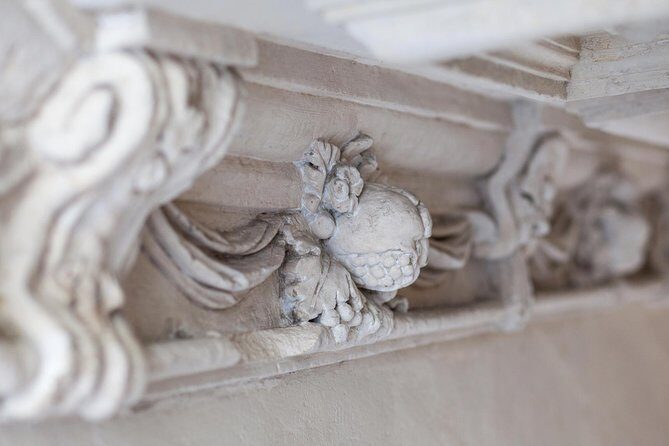
Next is a fascinating mix of history and hidden beauty: the historical library of the city of Paris area, tied to the claim of the oldest paved street in the city of Paris. You also get a peek inside a uniquely beautiful 16th century aristocratic city villa.
This stop is valuable because it changes your perspective. Instead of only looking at famous monuments, you get a sense of scale and texture: old paving underfoot, old architecture beside you, and a glimpse behind the kind of doors you’d probably walk past without noticing.
It’s about 10 minutes, including that “look in / look around” moment. If you like architecture details, this is one of the stops where your camera will actually get use. If you dislike crowds, you’ll still appreciate that the pace here doesn’t turn into a bottleneck.
Stop 7: Jardin de l’Hôtel de Sully, a 17th-century escape
Then comes Jardin de l’Hôtel de Sully, described as a visit to a beautiful 17th century aristocratic city villa and its garden. Gardens are a smart shift in the middle of a walking tour. They cool your mind, give you a visual break, and help you process what you’ve already learned.
Even if you only spend 15 minutes, this stop tends to stick because it shows a side of the Marais that feels less about crowds and more about designed space. It’s a reminder that aristocratic residences weren’t only walls and corridors—they were planned outdoor life too.
Practical note: if it’s windy or rainy, gardens can change the feel fast. Bring a layer you don’t mind wearing in the drizzle.
Stop 8: Place des Vosges, the square everyone agrees on
After the garden, you’ll reach Place des Vosges, framed as the most beautiful square in the world according to the French and many others. That’s a big claim, but the square itself is the kind of place where even skeptical eyes start paying attention.
This is about 15 minutes, and it’s a perfect point in the tour to slow down. Place des Vosges gives you symmetry, perspective, and the kind of architectural rhythm that makes the surrounding Marais streets easier to understand. When you later walk through the neighborhood on your own, you’ll recognize the “type” of building language you saw here.
If the weather turns, this square can still be enjoyable because it’s open and easy to orient yourself around.
Stop 9: Place de la Bastille, history with global weight
You finish at Place de la Bastille, described as one of the most important historic sites in Paris and indeed the world. The fact that you’re ending here makes sense: the Marais gives you centuries of texture, and Bastille brings that texture into a broader historical frame.
It’s about 10 minutes. That’s short enough to keep the day moving, but long enough for the guide to connect the neighborhood you saw to the larger stories Paris tells about itself.
When you step out of the tour at the Bastille area, you’re in a place with many transit options and plenty of options for what comes next.
What the guide adds when you don’t go inside
A key theme of this tour is outside learning. You’re not visiting the Pompidou museum. You’re not entering Hôtel de Ville. Instead, you’re getting interpretation tied to architecture, institutions, and what modern Paris added (or changed) right on top of older urban life.
Why I like that approach: it makes the walk more efficient. You see the sights, learn the context, and keep moving. On a day trip when you’re trying to fit museums, neighborhoods, and meals, that matters.
It also means you can build your own day after. If you want Pompidou art time, you can add it later. If you want a deeper look at civic buildings, you can plan around the rare times entry is possible. This tour keeps its promise: neighborhood first, monuments second.
And the reviews back up the human side of this style. Guides with strong English—like Tina and Isadora—can make a short route feel full. The same goes for Boris, who’s described as tying past and present cultures together while showing how the Marais mixes architectural styles.
Who this tour is best for (and when to skip it)
This tour is ideal if you want a fast, high-context orientation to the Marais. In about two hours, you’ll understand the neighborhood’s major landmarks and what they symbolize. It’s also a good fit if you prefer walking with a plan, because every stop has a reason.
You might skip it if you want heavy museum time or building interiors. Since Centre Pompidou and Hôtel de Ville are discussed from the outside, you won’t get that inside-the-galleries experience. Likewise, it doesn’t include snacks, so it’s not built for a long day of empty stomach walking.
Also consider weather. One review mentions that rain made it harder to hear the guide and made it less fun to enjoy the neighborhood ambiance. If rain is in the forecast, pack a hooded layer and plan to keep your ears ready—this is where a good guide’s voice really matters.
Should you book the Marais semi-private walking tour?
If you’re trying to decide whether this is worth it, here’s my take: book it if you want an efficient Marais education with a human guide and a small group size. The price is steep, but you’re paying for interpretation from an art historian and a route that hits key landmarks without piling on museum entry costs.
Skip it if you’re mainly chasing museum tickets or want to enter major buildings. This tour is about what the streets and facades are saying, not about long indoor visits.
If you like neighborhoods that feel lived-in and layered—and you enjoy learning why they look the way they do—this is a strong choice.
FAQ
FAQ
How long is the Marais semi-private walking tour?
It lasts about 2 hours.
How big is the group?
The tour has a maximum of 10 travelers.
What does the tour cost?
The price is $171.96 per person.
Where does the tour start and end?
It starts at Café Étienne, 14 Rue de Turbigo, 75001 Paris, and ends in the Bastille area (75012 Paris).
Does the tour include snacks?
No, snacks are not included.
Is the Centre Pompidou museum visit included?
No. The tour discusses Centre Pompidou from the outside only, and museum entry is not included.
Can you enter Hôtel de Ville during this tour?
No. The tour does not enter Hôtel de Ville, since entry is only possible one day a year.
What’s included in the price?
A live professional art historian guide is included.