
REVIEW · PARIS
Montmartre Private Walking Tour
Book on Viator →Operated by Paris in person · Bookable on Viator
Montmartre feels like a story you can walk. This private, 2-hour stroll is a smart way to learn why the hill mattered—using street-level scenes and art-historian context, not just postcard views. You’ll get personal guidance in English while you connect the dots between 19th-century nightlife and what grew into impressionism.
I love two things most. First, the art historian guide approach: you don’t just hear what happened, you understand why it mattered for art and culture. Second, the route is timed for real life—so you can enjoy the cobbled lanes, pauses at key spots, and still end with a payoff at Sacré-Cœur.
One possible drawback: the hill adds up. Come ready for moderate walking and stairs, and plan to wear good shoes and take breaks as needed.
In This Review
- Key things that make this tour work
- Why Montmartre on foot is such a smart plan
- Price and value: what $360.48 per group really buys
- Entering Montmartre’s story: Moulin Rouge to Rue Lepic
- Le Passe-Muraille and Place du Tertre: the neighborhood’s character in miniature
- Sacré-Cœur payoff: views plus the turn-of-the-century connection
- What the art-historian guide actually adds
- Practical tips that make the walk easier
- Who should book this Montmartre private walk
- Should you book it?
- FAQ
- How long is the Montmartre private walking tour?
- What does the $360.48 price include?
- Is the tour private?
- What group size is it for?
- Is admission included for Moulin Rouge and the other stops?
- Where does the tour start and end?
- What language is the tour offered in?
- Are there any requirements or limits I should know about?
Key things that make this tour work
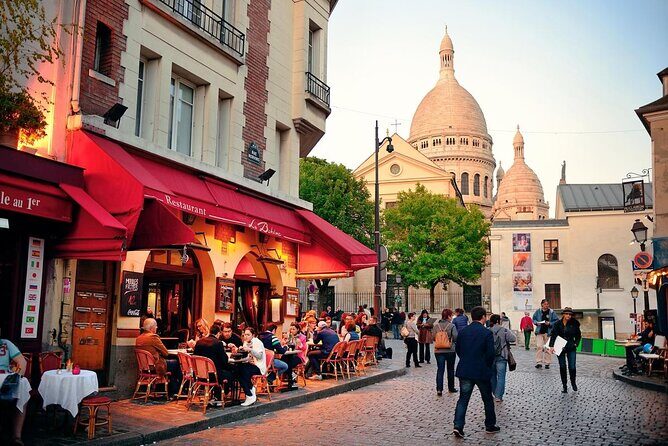
- Private pacing for up to 6 people, so your questions can actually shape the walk
- Art-historian storytelling focused on cancan-era scandal and impressionism origins
- Five major Montmartre stops that map the area clearly in about two hours
- Clever hill time management, with stops that make the climb more comfortable
- Most stops have free entry, with only Moulin Rouge requiring tickets of your own
Why Montmartre on foot is such a smart plan
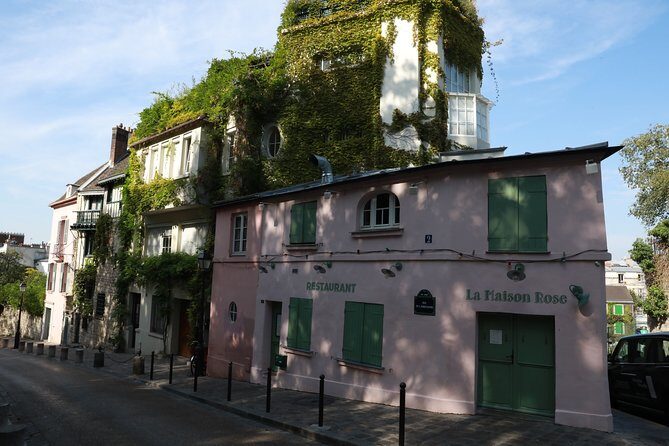
Montmartre is one of those places where the streets explain the art. If you wander on your own, you’ll see plenty—but you may miss the emotional and cultural reasons the artists went there in the first place. This tour is built to fix that fast: you get a guide who can connect nightlife, fame, and the artistic shifts happening in the 1800s.
You’ll also like the “small and focused” nature of it. At 2 hours, you’re not forced into a long day of decision-making. The route hits the key landmarks people go for—Moulin Rouge, Rue Lepic, Le Passe-Muraille, Place du Tertre, and finally Basilique du Sacré-Cœur—so you leave with a mental map, not just photos.
And since it’s private, it feels less like a bus tour and more like a guided walk with someone who lives (and thinks) in Montmartre. In the best moments, your guide makes you slow down and notice the details you’d normally zip past: the street angles, the crowd flow around famous corners, and the way the neighborhood frames views of Paris.
You can also read our reviews of more walking tours in Paris



Price and value: what $360.48 per group really buys
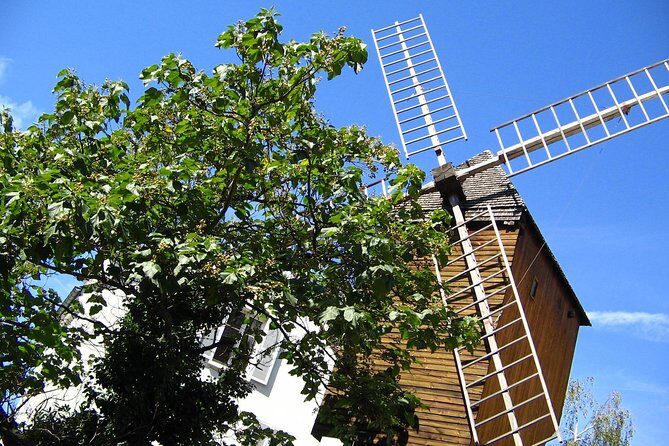
The price is $360.48 per group, up to 6 people, for about 2 hours. That matters because private tours can swing from bargain to pricey depending on how many of you show up. If you fill the group (6 people), you’re paying about $60 per person—right in line with what many people spend on guided experiences in major European cities. If it’s just 2 people, the per-person cost jumps, so it starts to feel more like a splurge.
What justifies the cost is the format: you’re paying for a professional art historian guide and private attention, plus the guide’s ability to interpret what you’re seeing. You’re not only walking the sights; you’re learning how Montmartre’s reputation formed. That’s hard to replicate with an audio app.
Also, entry isn’t all on you. Four of the five stops are free of admission tickets during the visit, which keeps the experience from turning into a ticket-purchase marathon. The only place where admission isn’t included is Moulin Rouge.
One more small value point: this tour is in demand. It’s commonly booked about 22 days in advance on average, so if your dates are fixed, you’ll want to lock it in earlier rather than later.
Entering Montmartre’s story: Moulin Rouge to Rue Lepic
You start in the Montmartre area (75018). Right away, the tour sets the tone with Moulin Rouge. You’ll spend about 15 minutes here, and admission isn’t included, so think of this stop as part of the historical orientation rather than a guaranteed ticketed show. Even from outside, Moulin Rouge matters because it’s tied to the neighborhood’s daring reputation—especially the cancan era. Your guide will bring in the stories behind the infamous nightlife, including references to the so-called obscene cancan girls and how those shocks played out in public life.
From there, you shift to Rue Lepic for around 30 minutes. This longer stretch of time is a giveaway: this isn’t just a quick photo stop. Rue Lepic gives you a sense of how Montmartre’s character formed—street by street—so the guide can explain how the area became a magnet for artists.
What I like about this part of the route is that it’s not all spectacle. Moulin Rouge gives you the headline. Rue Lepic gives you the texture. Together, they make the rest of the walk click. You start seeing not only where things are, but why people cared.
Le Passe-Muraille and Place du Tertre: the neighborhood’s character in miniature
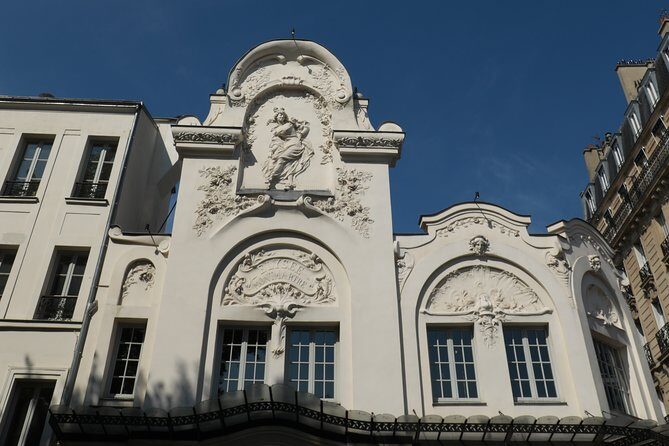
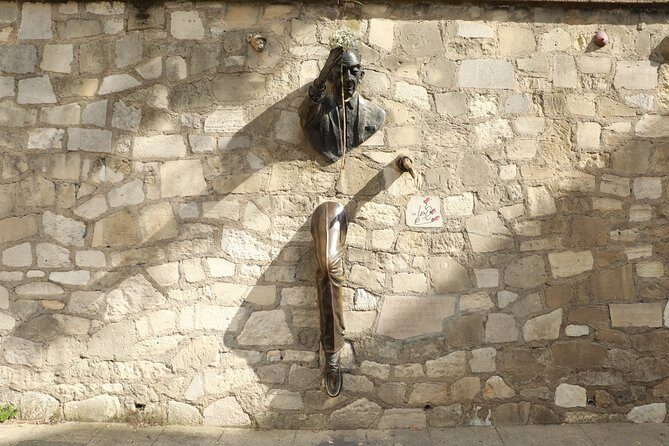
Next comes Le Passe-Muraille, with about 15 minutes to linger at the iconic statue. This stop works because a statue can do what a museum label can’t: it can sum up a mood. Here, the guide focuses on what the statue represents for Montmartre—its stubborn independence and the idea that the neighborhood’s spirit feels larger than the walls around it. It’s the kind of moment where you pause, look around, and realize you’re in the setting that inspired the artistic imagination.
Then you move to Place du Tertre, about 15 minutes. This is the cute, scenic heart of the old village feel—exactly where you expect to see the art culture in action. This is also where the “Montmartre experience” becomes tactile. You’ll have time to take in the atmosphere and notice how artists present their work in this square.
From your guide’s angle, Place du Tertre is more than pretty space. It’s a living reminder of why the area kept attracting painters and performers long after the 1800s headlines faded. One of the best parts of the experience is seeing the art and artists up close while you still have the historical story fresh in your head.
Sacré-Cœur payoff: views plus the turn-of-the-century connection
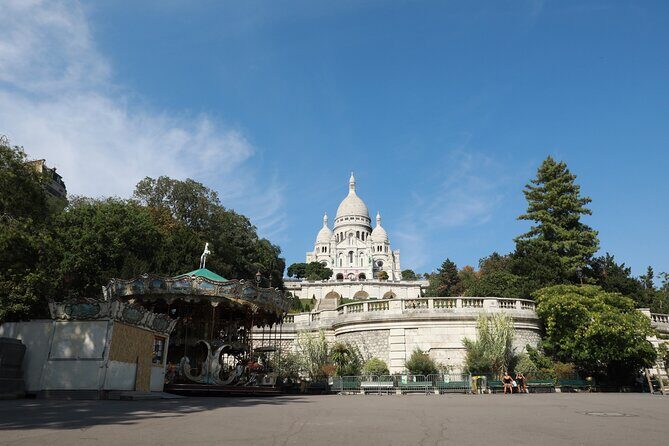
Basilique du Sacré-Cœur is the big finish, with about 20 minutes there. Admission is listed as free during the tour stop, so you’re not dealing with another ticket hurdle to enjoy the area and the key sight. This is the “Montmartre at its most Paris” moment: the basilica dominates the skyline and signals the neighborhood’s transformation into something iconic.
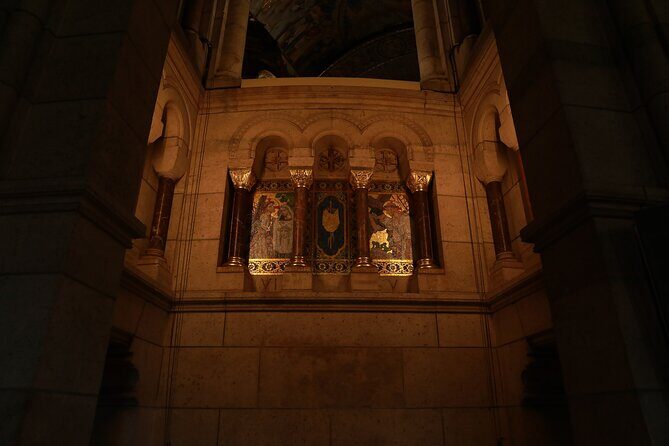
Your guide also frames Sacré-Cœur with a specific lens: it’s treated as a defining feature of turn-of-the-century Paris and Montmartre. That matters because it turns your visit into more than a viewpoint. You’re not only looking out—you’re understanding how the city’s image got rebuilt and branded in that era.
If you’ve ever felt overwhelmed at Sacré-Cœur by the crowds, the private format helps. You’re moving with a guide who can manage pacing so you’re not sprinting between people. In practice, that means you get chances to catch your breath while still reaching the best moment: the view and the feeling that the hill is finally paying you back.
Also, since the tour ends near Anvers (75018), you’ll have an easy way to continue your day without needing to retrace your whole route.
You can also read our reviews of more private tours in Paris






What the art-historian guide actually adds
A walking tour can be either a list of places or a guided way to understand them. This one aims for understanding. The guide is described as a professional art historian, and the stories are centered on what made Montmartre culturally electric in the 19th century—especially the way provocation, nightlife, and public attention intersected with shifting artistic styles.
This is where guide personality matters, and you’ll see that in the experience. For example, Boris has been praised for being engaging and able to talk to different ages at once, including teens. Caroline has been praised for being a Montmartre expert who guided guests through a busy day without making the hill feel punishing. That “match your group’s pace” skill is a real part of value. It’s not only about facts; it’s about whether the story lands.
Also, tours like this often include a trainee or extra guide support, and that can make the atmosphere feel warm and educational rather than stiff. The best outcome is you come away with a clearer picture of Montmartre’s role in art—not just the name-dropping.
Practical tips that make the walk easier
Montmartre is famous for steps and slopes, even when the route looks short on a map. Come prepared so you’re enjoying it, not negotiating it. I’d follow the simple advice people give over and over for this area:
- Wear good walking shoes.
- On sunny days, bring a hat.
- Bring water, especially if your tour day is warm.
One more practical note: since the tour is about 2 hours, it’s best to treat it like a “core Montmartre block” in your day. If you pile on heavy plans right before or right after, you’ll feel it in your legs by Sacré-Cœur.
If you like asking questions, this is a great setup. Private tours are where you get meaningful answers instead of hearing the same safe line repeated to everyone.
Who should book this Montmartre private walk

This tour is a strong match if you want:
- a private guide and a small group experience (up to 6)
- art and culture context, especially the 1800s connection between nightlife and impressionism
- a route that covers major landmarks in a manageable time window
- help with pacing on a hilly neighborhood
It’s also a good pick for mixed-age groups, since guides here have shown they can adjust their style for both adults and teens. And if you’re trying to make sense of Montmartre quickly—before you decide whether to return for longer exploring—this walk gives you the groundwork.
If you’re the type who only wants museum interiors and timed ticket entries, you might be left wishing for more inside stops. But if you care about streets, stories, and viewpoints, you’ll likely love the format.
Should you book it?
Yes, if you want Montmartre to make sense fast. The price is most attractive when you can bring the group size closer to 6, but even at smaller groups, the combination of art-historian guidance, smart pacing, and a route that lands at Sacré-Cœur makes it feel like a real experience rather than a casual stroll.
Skip it only if you don’t want walking on hills or you’re primarily hunting for paid attractions and long indoor time. For most people, this is a well-shaped overview that leaves you with both a map in your head and stories you’ll remember later.
FAQ
How long is the Montmartre private walking tour?
It runs about 2 hours (approx.).
What does the $360.48 price include?
The tour price covers a professional art historian guide and the walking tour itself.
Is the tour private?
Yes. It’s a private tour/activity, and only your group participates.
What group size is it for?
It’s priced per group for up to 6 people.
Is admission included for Moulin Rouge and the other stops?
Moulin Rouge has an admission ticket not included. The other listed stops are marked as admission ticket free during the tour.
Where does the tour start and end?
It starts in Montmartre, 75018 Paris, France, and ends in Anvers, 75018 Paris, France.
What language is the tour offered in?
It’s offered in English.
Are there any requirements or limits I should know about?
Children must be accompanied by an adult, service animals are allowed, and you should have a moderate physical fitness level.