REVIEW · PARIS
Montmartre Walking Tour in English
Book on GetYourGuide →Operated by Walkative Tours · Bookable on GetYourGuide
Montmartre tells stories on every corner. I loved how the tour ties Café Deux Moulins (known from Amélie) to the real artistic atmosphere of the hill, and then moves on to Van Gogh’s house to explain why this neighborhood mattered. One possible drawback: the guide’s narration is very central, so if you prefer a quicker pace with more silence, you might feel a little speech-heavy at times.
This is a 150-minute, English walking tour with a pay-what-you-wish setup. You pay a $31 online booking fee now, and you decide the rest based on what you enjoyed and how much you value the guide’s storytelling. If you’re the type who likes a coherent story instead of random stop-and-start photos, you’ll probably click with the format.
You’ll meet in front of Metro Blanche (the only exit), looking for the yellow umbrella. The tour runs rain or shine, and the guide will find cover if the weather turns ugly or cold. Past groups have included guides named Eva and Raj, and the style people tend to describe is friendly and clear, with some humor in the mix.
In This Review
- Key points to know before you go
- Why Montmartre’s name still feels like a plot twist
- Getting your bearings: Metro Blanche, the yellow umbrella, and steep streets
- Café Deux Moulins: a movie-famous start with real neighborhood texture
- Van Gogh’s house stop: understanding why artists came to the hill
- The Picasso and Modigliani studios: where creativity met real constraints
- Vineyard corners and an oldest-cabaret vibe: Montmartre beyond the postcards
- Moulin Rouge: the big finale with context, not just a photo
- Cost and value: why $31 can be a good deal (if you like guided story)
- Who this Montmartre walking tour suits best
- Should you book this Montmartre walking tour?
- FAQ
- How long is the Montmartre walking tour?
- Where do I meet the guide?
- Is the tour in English?
- What sights are included?
- Is hotel pickup or drop-off included?
- What is the price, and is it pay-what-you-wish?
- Does the tour run in bad weather?
- Can I get a refund if my plans change?
Key points to know before you go
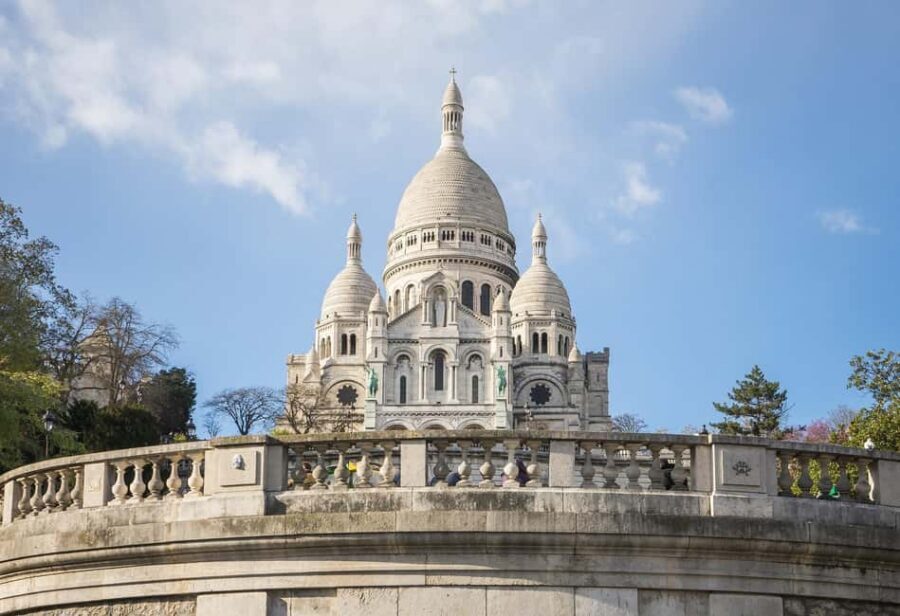
- Café Deux Moulins + Amélie connections: start in a spot pop culture made famous, then translate that vibe into the real neighborhood story.
- Van Gogh’s house stop: you get a sense of why Montmartre pulled artists in—and why it stuck.
- Picasso/Modigliani studios: you’ll connect major names to the kind of working space and energy they needed.
- Vineyard + oldest cabaret spirit: you see the hill’s “real life” side, not just postcards.
- Moulin Rouge finale: a classic stop with context, so it doesn’t feel like just a photo wall.
- 150 minutes, guided narrative pace: it’s designed to be story-forward, not a speedrun of attractions.
Why Montmartre’s name still feels like a plot twist
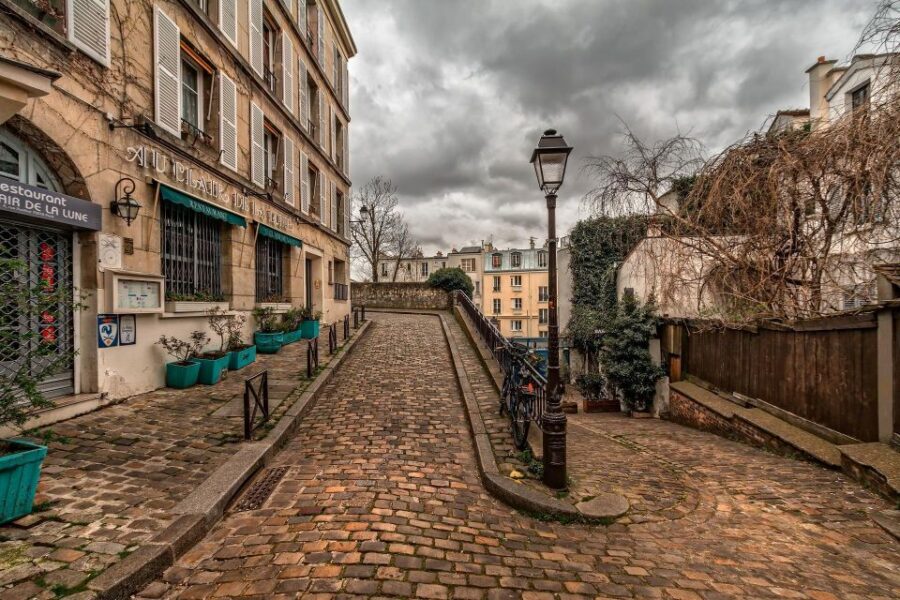
Montmartre’s story starts with a name that sounds like legend: Mons Martyrum, Latin for Hill of Martyrs. The neighborhood’s old myth goes to Saint Denis, the first bishop of Paris, who was beheaded for refusing to renounce his faith. The tale gets wild: he’s said to have picked up his severed head and walked down the hill, then finally dropped dead.
That’s the creepy origin story. But here’s the reason I like this tour’s framing: it uses legend to explain how the place could later feel theatrical without needing to invent drama. Long before it became a magnet for artists and nightlife, Montmartre was described as a sleepy village on the hill, surrounded by vineyards, gardens, and orchards.
Then the practical history kicks in. The hill was also working land—up to 13 mills were built on the slopes to grind wheat, barley, and rye. Only two survived, and those remaining mills are now the neighborhood’s visual symbol. When the guide brings this up, it helps you see Montmartre not just as “pretty steep streets,” but as a landscape that once produced food and livelihoods.
You can also read our reviews of more walking tours in Paris



Getting your bearings: Metro Blanche, the yellow umbrella, and steep streets
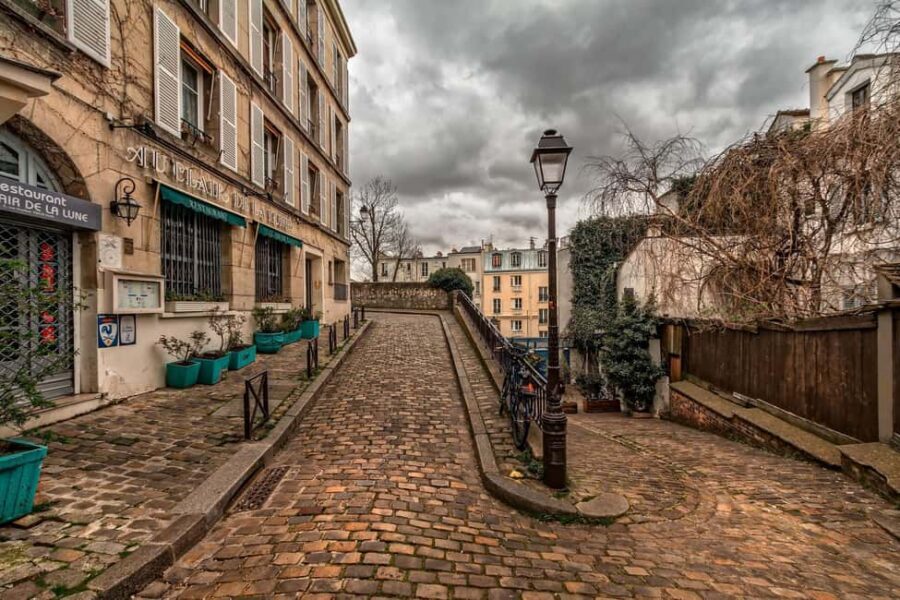
Meeting in front of Metro Blanche is simple and central. The only exit matters because it keeps you from wandering around the station searching for the group. When you spot the yellow umbrella, that’s your quick “you’re in the right place” signal.
Because Montmartre is built on a hill with steep, winding streets, your biggest practical win is dressing for walking. Think comfortable shoes first, light layers second, and a calm attitude about uphill moments third. This tour is only 150 minutes, so you’re not doing an all-day hike—but you will feel the hill.
Another practical note: the tour runs rain or shine. You don’t need to cancel because the sky misbehaves. The guide will find cover if it gets cold or rains. That said, the most “pleasant” experience tends to come when you’re ready for damp air and slower steps. If you’re prone to slipping on wet cobblestones, take it a bit slower on the turns.
Café Deux Moulins: a movie-famous start with real neighborhood texture
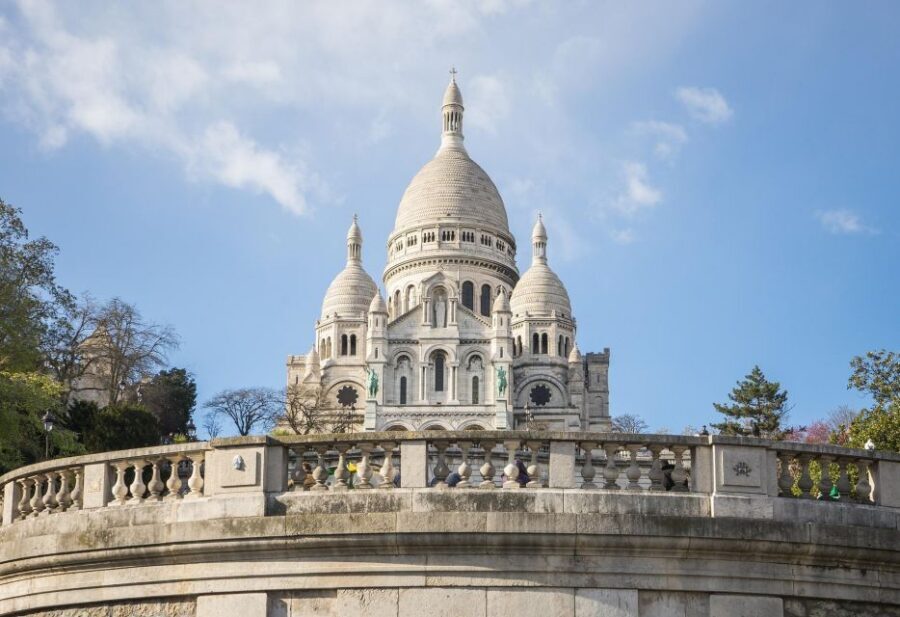
You’ll pass through and stop at Café Deux Moulins, a café widely recognized thanks to Amélie. This is a smart opening move for the tour. It gives you an instant emotional hook—something familiar—then the guide can connect that recognition to the deeper Montmartre identity.
What I like about starting here is that it’s not just trivia. This neighborhood has always been about people watching: cafés, drinking spots, and spaces where artists could be near enough to inspiration without needing formal museum time. When the guide talks about how Montmartre became famous for nightlife and cheap wine in the 19th century, this café stop helps the story feel believable rather than theoretical.
The possible drawback is also tied to the fact that it’s known from film. If you’re expecting a quiet “secret local café” vibe, you might find it more in the public spotlight than you’d hoped. The good news: even with crowds, a guided stop can still help you understand why this place became iconic and how cafés fit into Montmartre’s creative ecosystem.
Van Gogh’s house stop: understanding why artists came to the hill
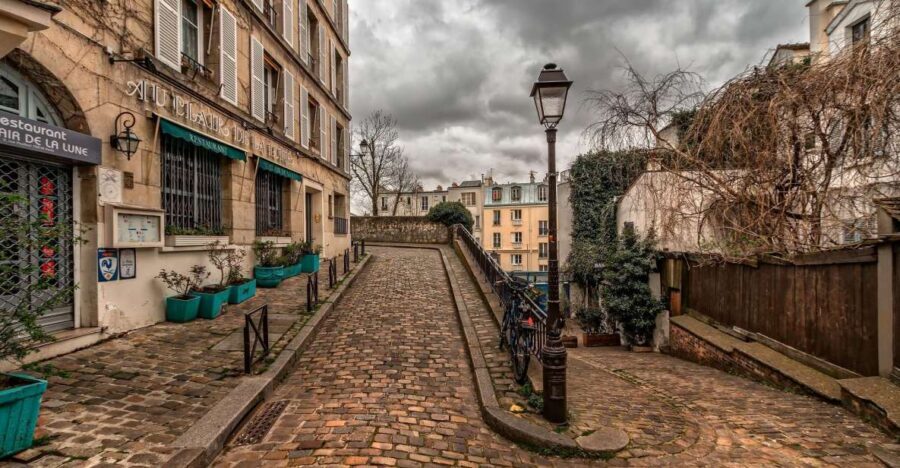
From the café atmosphere, the tour shifts toward the art legacy—starting with Van Gogh’s house. Even if you’re not an art historian, this stop can click quickly because it’s grounded in place. Montmartre wasn’t just where famous painters lived; it became a magnet because of the conditions on the hill: drinking establishments, cheap wine, low rents, and a relaxed, friendly atmosphere.
The guide’s job here is to connect the human side of the story to the locations you see. If you’re the kind of person who wonders how artists actually made work possible, this portion matters. It’s less about name-dropping and more about understanding the “why here” behind the history.
I also like that the tour doesn’t treat Van Gogh as a statue. It frames him within Montmartre’s bigger pattern: the hill’s turning point in the late 1800s and early 1900s, when the neighborhood went from sleepy village to artist hub. When the guide explains that many major artists are associated with Montmartre—names like Monet, Renoir, Picasso, Modigliani, Matisse, Degas, Toulouse-Lautrec—the stops start to feel connected, not random.
One consideration: if you’ve already visited a museum or done a deep art-focused tour that day, this portion can feel more “context plus streets” than “exhaustive art facts.” But for most first-timers, that’s a strength. It keeps the walk moving and gives you a clearer mental map than museum-only sightseeing.
The Picasso and Modigliani studios: where creativity met real constraints
Next up are the Studios Picasso/Modigliani. This is where Montmartre’s history becomes tangible. The guide’s narrative emphasizes the working side of artistic life: inexpensive spaces, proximity to cafés and late-night culture, and the kind of relaxed chaos that could either spark breakthroughs or exhaust people.
I particularly value stops like this because they help you understand art as something made by people living real lives, not just something produced in perfect studios. Montmartre’s reputation came from the mix of artists, cafés, and nightlife—along with scandals and the messy side of fame. The tour mentions the mix of dancing halls and cabarets, and it also places this energy next to the artists who settled there.
You’ll also hear about cabaret culture like Le Chat Noir and of course the bigger later scene. Even if you don’t love art theory, that contrast helps. It shows why the neighborhood could feel both artistic and slightly chaotic at the same time.
Potential drawback: this segment may be more about association and storytelling than about looking at rooms the way you would in a museum. Still, if you care about how great names relate to actual streets and neighborhoods, it’s exactly the right kind of stop.




Vineyard corners and an oldest-cabaret vibe: Montmartre beyond the postcards
One highlight on this walk is a vineyard / oldest cabaret in Paris stop. That pairing is clever, because it reminds you Montmartre is not only famous for performance and neon-era nightlife. It also had real agriculture—vineyards, orchards, and gardens—before the hill became the place for artists, wine, and cabarets.
The “oldest cabaret” angle also serves a storytelling purpose. Montmartre’s late-19th-century reputation grew because of drinking establishments and entertainment, and cabarets were where culture happened in public. The tour’s narrative connects this to the cancan era too, including the famous image of girls dancing with high legs in venues like Moulin Rouge.
What you’ll get here isn’t just a checklist item. You’ll start noticing how the hill’s past agriculture and its nightlife identity are part of the same place. That’s why I think this stop is valuable: it gives your Montmartre experience contrast. Instead of all high drama, you get a mix of work-and-pleasure history.
Consideration: if you’re visiting during peak season, you may want to keep your expectations flexible about space. This is a popular neighborhood, and some areas are tight. A guide helps you move efficiently through photo spots, but you still may share the moment with other people.
Moulin Rouge: the big finale with context, not just a photo
You’ll end with Moulin Rouge. This is the neighborhood’s loud, iconic statement—famous for cabaret energy and the famous cancan image. But the tour’s approach matters. It doesn’t treat Moulin Rouge like a standalone landmark. It places it in Montmartre’s long shift from village to entertainment powerhouse.
The tour’s story includes the turn of the 19th and 20th centuries, when Montmartre became one of the most interesting neighborhoods in Paris—partly because of low rents and cheap wine, but also because people were drawn to the relaxed atmosphere where creativity, performance, and nightlife all mixed.
If you’re worried this will feel like a “look-and-leave” stop, use the guide’s context to make it more meaningful. Ask yourself what the location represents: a place where fame and entertainment shaped the neighborhood’s identity. Even if you only care about a few artists, Moulin Rouge helps you understand why visitors kept flocking back once Montmartre got famous.
Practical note: this area can be busy. If you want your best photos, pay attention to where the guide stops the group and try to get your shots quickly before the crowd wave shifts.
Cost and value: why $31 can be a good deal (if you like guided story)
The listed price is $31 per person for 150 minutes, but it’s important to understand what you’re paying for. The tour uses a pay-what-you-wish structure, meaning your payment now is mainly a small online booking fee. The real value is what you decide to add afterward based on how much you liked the guide and the experience.
Is it worth it? For many people, yes—especially if you like a guided narrative and want someone local to connect the dots across legend, history, and specific places. Montmartre is easy to walk around alone, but it’s harder to understand without context. You might see Café Deux Moulins and know it from Amélie, but the tour helps you connect that pop-culture moment to the 19th-century shift that brought artists to the hill.
Also, since the tour includes an expert, local guide and a thoroughly constructed narrative, you’re not just buying a route—you’re buying interpretation. That interpretation tends to be what makes a short 2.5-hour walk feel satisfying rather than random.
The one “value mismatch” I’d watch for: if you strongly prefer quiet sightseeing, minimal speech, and lots of free time at each stop, the narrative-forward style could feel tiring. One comment you might relate to is that the pace can feel more about talking than moving quickly—so decide based on how you like to travel.
Who this Montmartre walking tour suits best
I think this tour fits best if you want:
- a first-time Montmartre orientation that connects key art stops to nightlife history
- a guided story that explains the hill’s origin (including the Saint Denis legend) and its later artist boom
- a mix of movie-famous and real historic places, with practical context at each stop
It’s also a nice option when you don’t have a full half-day but still want more than a quick photo walk. At 150 minutes, you’ll cover meaningful ground on foot without burning an entire day.
Should you book this Montmartre walking tour?
Book it if you like guided storytelling, want an English-speaking local guide, and you’re interested in seeing Montmartre as more than postcards. The combination of Café Deux Moulins, Van Gogh’s house, artist studios tied to Picasso and Modigliani, a vineyard/old cabaret stop, and Moulin Rouge gives you a compact overview of how this hill became an art-and-entertainment magnet.
Skip or reconsider if you know you prefer a faster, less talk-heavy walk. Also, if you hate hills or tight crowds around major sights, plan your comfort level carefully. Otherwise, this tour is a very efficient way to leave with a clearer picture of why Montmartre became famous and why it still feels different from the rest of Paris.
FAQ
How long is the Montmartre walking tour?
The tour lasts about 150 minutes.
Where do I meet the guide?
Meet in front of Metro Blanche (the only exit). Look for the yellow umbrella.
Is the tour in English?
Yes, it’s offered in English with a live tour guide.
What sights are included?
The highlights include Café Deux Moulins, Van Gogh’s house, studios associated with Picasso and Modigliani, a vineyard and one of Paris’s oldest cabarets, and Moulin Rouge.
Is hotel pickup or drop-off included?
No. Hotel pickup and drop-off are not included.
What is the price, and is it pay-what-you-wish?
The tour is priced at $31 per person. It’s set up as a pay-what-you-wish tour, where you decide the amount you pay to the guide, and the amount you pay now is described as a small online booking fee.
Does the tour run in bad weather?
Yes. The tour takes place rain or shine, and the guide will find cover if it rains or gets cold.
Can I get a refund if my plans change?
Free cancellation is available up to 24 hours in advance for a full refund.