REVIEW · PARIS
Paris Gourmet Tour
Book on GetYourGuide →Operated by Meeting the French · Bookable on GetYourGuide
A good Paris food tour should feel personal. This one pairs the Latin Quarter with serious tastings, from French cheese textures to wine, bread, and a foie gras finale. It’s a compact 150 minutes, and in a small group of up to 8, the guide can shape the pace so you actually taste (not just wander).
I like that the route hits classic Left Bank territory without feeling like a museum march. You’ll walk through medieval streets near the Sorbonne, then stop for a market with a wide spread of high-quality foods, before moving into hands-on tastings like cheeses and pastries guided by people such as Sabine or Watanabe.
One drawback to plan for: the experience can feel more stop-and-sample than long, big-sight walking. Even though it’s described as a walk, some schedules lean heavily into market time, and the rhythm depends on the guide and group.
In This Review
- Key highlights at a glance
- Latin Quarter Stroll: medieval lanes near the Sorbonne
- Market Stop in Saint-Germain area: where quality shows up fast
- The French cheese lesson: tasting textures with wine
- Bakeries and pastry sampling: baguette to croissant
- Foie gras finale at a regional specialties shop
- Small group size and multilingual guides: the real quality marker
- Timing and pacing: plan around samples, not clockwork
- What you get for $165: value built on multiple categories
- Where you meet: 47 Ter Boulevard Saint-Germain
- Who should book this Paris Gourmet Tour
- Should you book it?
- FAQ
- How long is the Paris Gourmet Tour?
- What is included in the price?
- Where does the tour meet?
- What is the nearest metro station?
- How big is the group?
- What languages are available for the guide?
- What happens if the tour doesn’t meet the minimum number of participants?
Key highlights at a glance
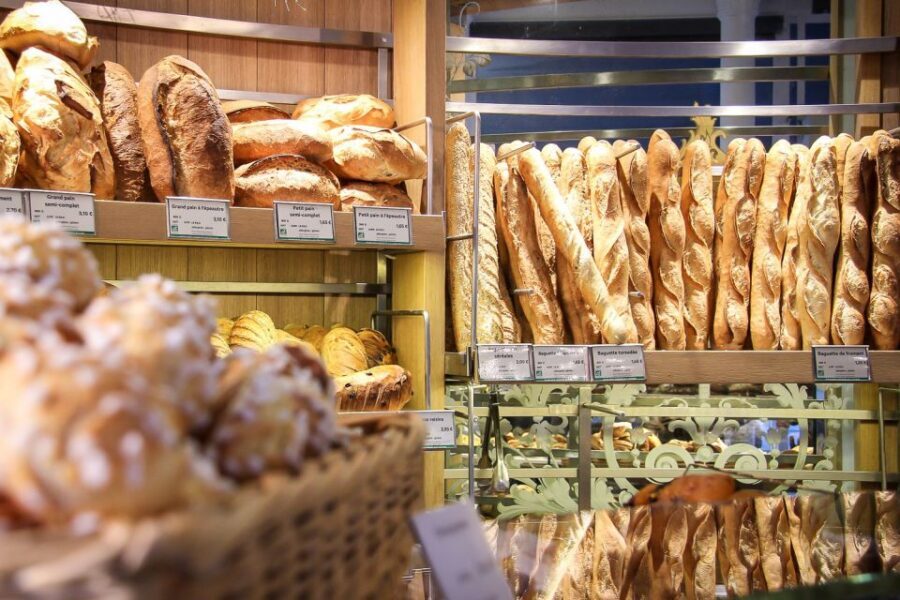
- Latin Quarter stroll near the Sorbonne through medieval streets on the Left Bank
- Market stop focused on quality variety, not just quick photo ops
- French cheese tasting with wine, highlighting differences in taste and texture
- Boulangerie sampling that covers classics from baguette to croissant
- Regional specialties finale with foie gras
Latin Quarter Stroll: medieval lanes near the Sorbonne
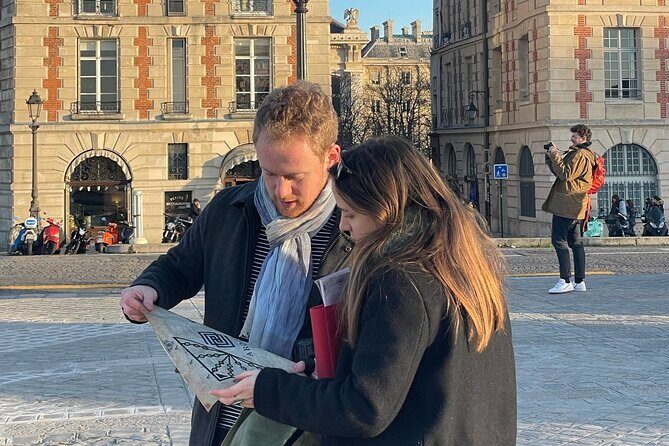
This tour starts with the kind of Paris setting you immediately recognize. You’ll spend time walking through the Latin Quarter, including the older, medieval-feeling parts of the neighborhood. It’s also closely tied to the Sorbonne University area, so even if you’re not studying there, the vibe makes sense: ideas, students, writers, and the everyday rhythm of a historic quarter.
The practical win here is pace. In 150 minutes, you’re not trying to cover all of Paris. Instead, you get a focused slice of the Left Bank where food and daily life overlap, and your tastings feel like they belong to the streets you’re walking.
I also like that the guide’s job isn’t only to point. The tour is described as a “walk rich in tastes and flavors,” which is a polite way of saying you’ll be thinking about what you’re eating while you move through the neighborhood, not after the fact.
You can also read our reviews of more tours and experiences in Paris.

Market Stop in Saint-Germain area: where quality shows up fast
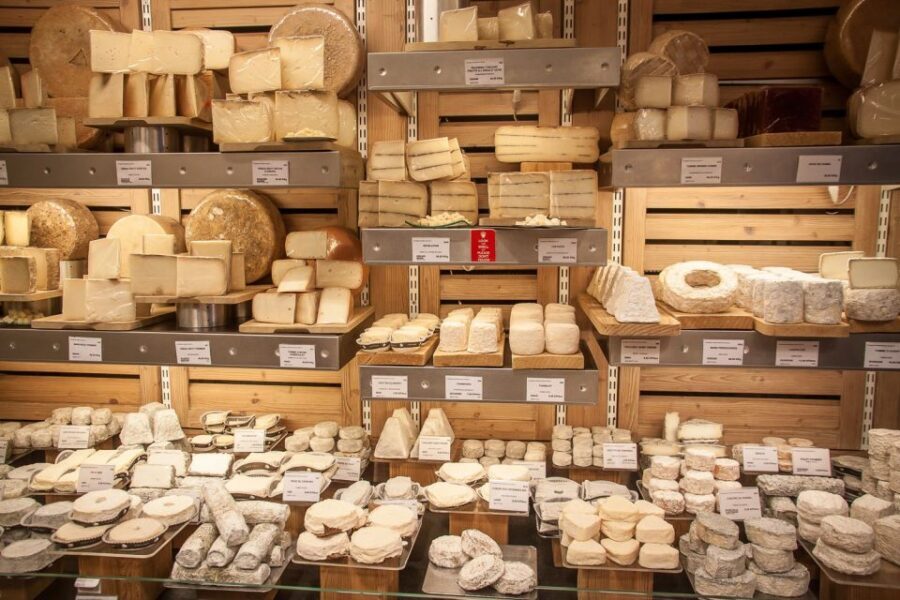
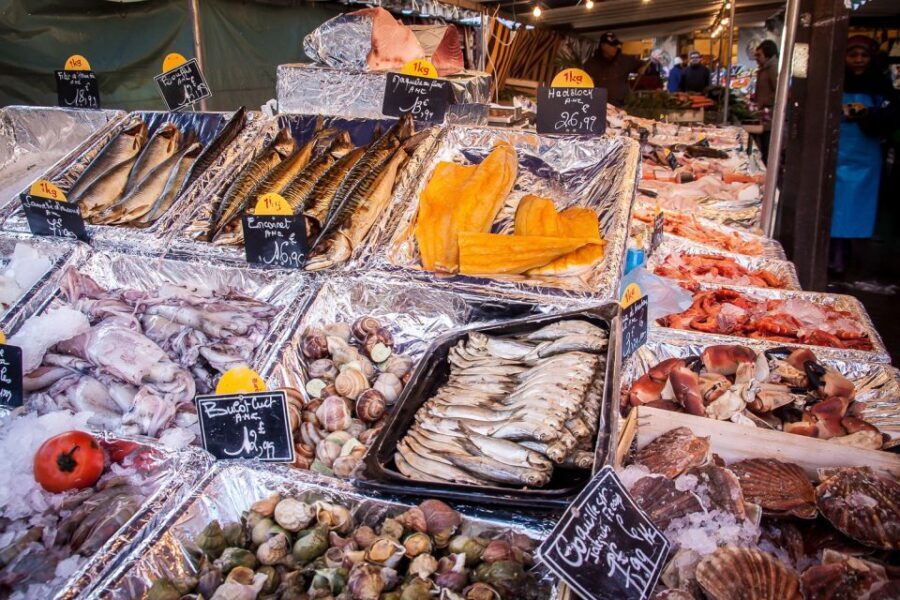
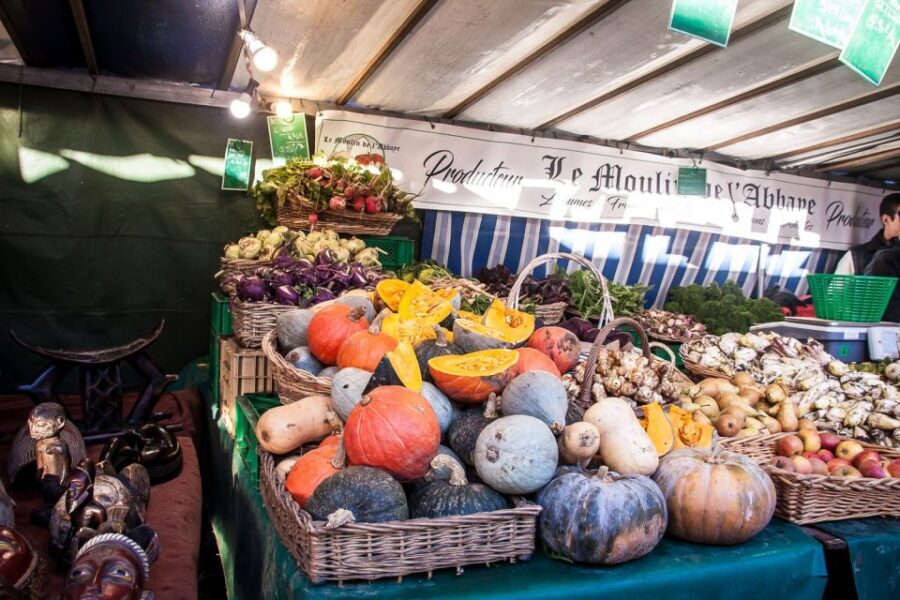
A big chunk of why this tour works is the market experience. You’ll visit a market known for the high quality and large variety of food you can find there, and this is where the tour shifts from sightseeing into buying habits you can actually use later.
Think of it as a crash course in how French food makers and shops talk about what they sell. Markets in this part of Paris tend to reward attention: you’ll notice differences in what’s displayed, how products are handled, and how vendors talk about taste and pairing. Even if you don’t speak French, your guide can translate what matters.
One note: some tours of this style lean harder toward a market-based “sampling block” than a roaming, street-by-street route. If you’re the type who wants lots of movement and far-apart stops, tell yourself the heart of the experience is likely the market and the tasting sequence, not a long marathon of sights.
The French cheese lesson: tasting textures with wine
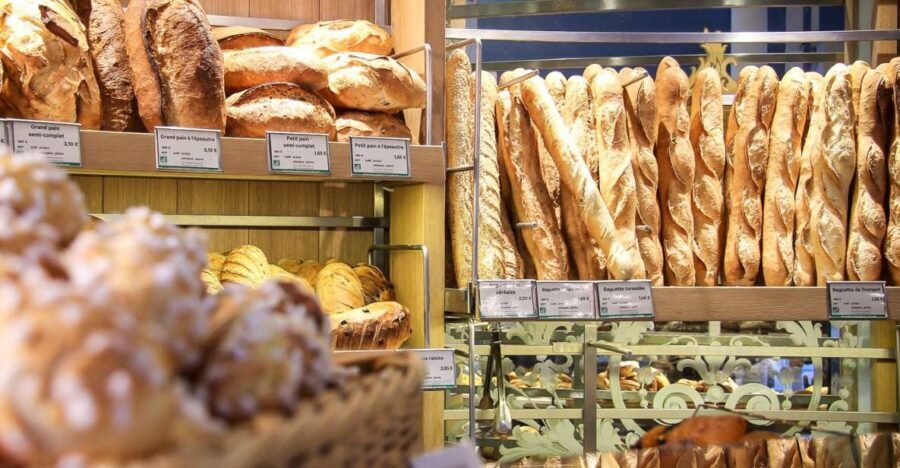
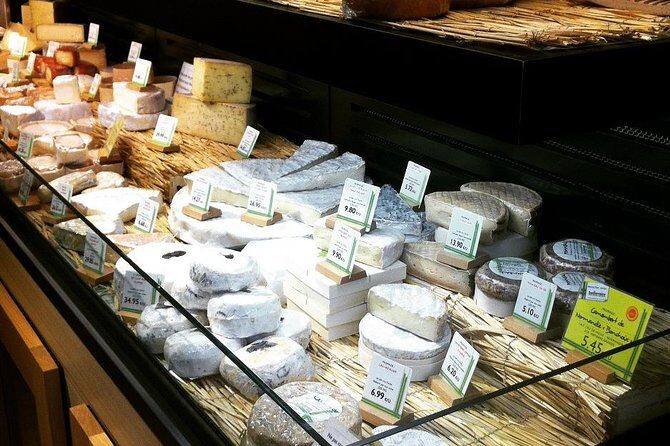
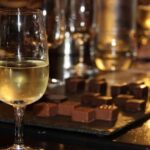
The most memorable part for many people is the cheese stop, and it makes sense. You’ll head to an authentic French cheese shop where you’ll learn why there’s an almost endless number of cheeses in the country. You’ll get samples of different cheeses and discover how they differ in taste and texture—and how those differences pair well with French wine.
This is where I’d pay attention to the tasting order. Guides typically encourage you to notice changing textures and flavors as you go, and that helps you build a mental map for what you like. Some cheeses are more pungent; others feel smoother or more creamy. The fun is figuring out which style you gravitate toward before you ever try to buy for yourself.
If you’ve ever had cheese at home and thought it was good but not life-changing, this kind of structured tasting can reset your baseline. The pairing with wine matters too, because wine can either sharpen a cheese’s character or soften it—depending on what you choose.
Also, the guide component is a big deal. People have mentioned names like Sabine and Gilles for their storytelling and how they talk through the food, which is exactly what you want here. Cheese tasting without explanation can turn into just eating bites. With the right guide, it becomes a mini lesson you’ll remember when you’re shopping later.
Bakeries and pastry sampling: baguette to croissant
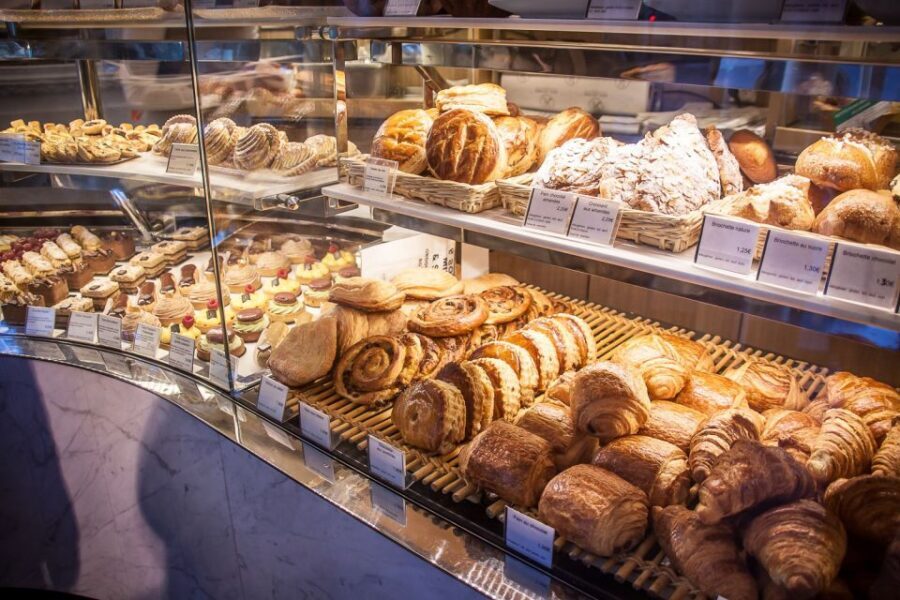
After cheese and wine, you’ll visit several bakeries. This is one of the best parts of a Paris food tour if you care about bread as much as dessert, because it’s not only about sweets. You’ll get an amazing variety of French breads and pastries, from the baguette to the croissant, plus other in-between favorites your guide suggests.
Here’s the value: France treats bread as a daily craft, not a side dish. A tasting sequence lets you notice differences you might miss if you only buy one item on your own. You can compare crunch versus chew, butter versus plain flour flavor, and flaky layers versus denser crumb.
One practical tip: go easy on heavy breakfast before you come. You don’t need to fast, but you do want your palate ready. A croissant can be buttery and rich; cheese can be sharp; then wine adds another layer. The tour is designed so you’re tasting across categories, so you’ll enjoy it most if you show up with some room.
And yes, if you’re a “just give me the best bite” person, this part is still for you. You’ll leave with a better sense of what you actually like to eat, which is the best souvenir you can take home: knowledge that helps you order well.
Foie gras finale at a regional specialties shop
The tour finishes at a regional specialties shop where you can taste foie gras, described as the tour’s most luxurious delicacy. This isn’t a random tasting stop. It’s a deliberate ending, because foie gras is intense—creamy, buttery, and unmistakable—so ending here makes the whole sequence feel like a story arc.
If you’re curious but unsure, this is a good first introduction because you’re not wandering blind. Your guide can set context for what you’re eating and how it’s typically served or understood, at least at the level you need to make a choice without stress.
If you’re not interested in foie gras, you can still benefit from the rest of the tour’s structure. Cheese, wine, and bread are already a strong set of tastings. But if you are interested, treating it as a planned moment—rather than a last-second decision—usually makes the experience smoother.


Small group size and multilingual guides: the real quality marker
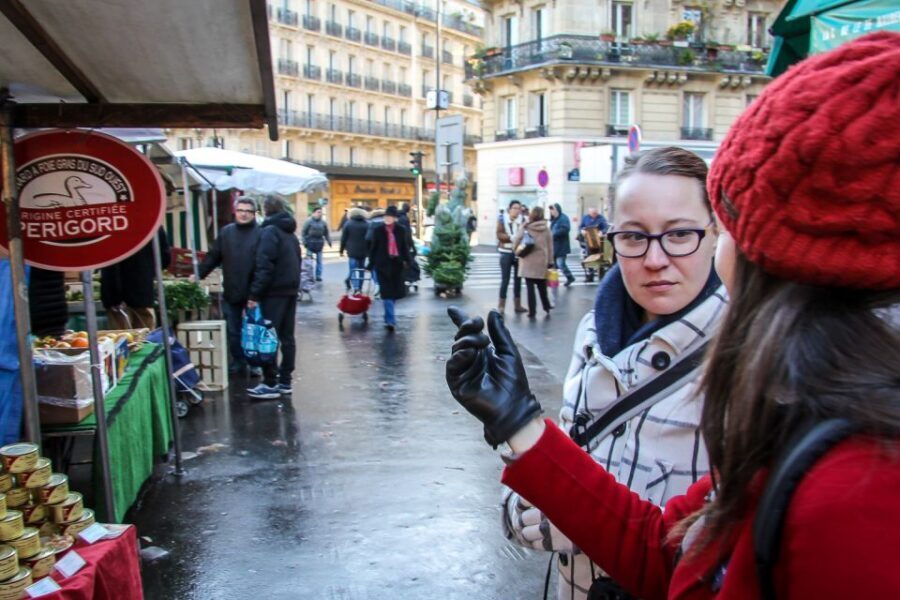
This isn’t a giant group. It’s limited to 8 participants, and that changes everything. Smaller groups tend to mean less waiting, more chance to ask questions, and a guide who can adjust what you taste based on your preferences.
The guide language options are broad—Spanish, German, Italian, English, French, and Japanese. That matters because food tours can go wrong when you can’t follow the explanation. When the language matches your comfort level, the tasting sequence becomes interactive instead of passive.
Many guides have been described as personable and full of food facts, but what stands out most is how they connect the food with the neighborhood. People have mentioned guides like Roberto, Akiko, Kikio, Karen, and Tibo for mixing history with eating advice. That’s the sweet spot. You’re not just sampling; you’re learning how to think like a shopper in France.
Timing and pacing: plan around samples, not clockwork
The listed duration is 150 minutes, and that’s a good ballpark for a compact tasting route. Still, it’s wise to expect some natural variation in how long each stop takes. One schedule may feel more market-heavy; another may move you through more shops at a brisker clip.
If you have a tight appointment right after, I’d leave buffer time. Paris timing can be flexible, and so can food tours because guides may slow down for questions or adjust the tasting flow for your group.
Also, come with the right expectations about walking. The Latin Quarter part is real, but the experience isn’t only street-walking for the sake of walking. The core of the tour is the tasting sequence—cheese, wine, bread, pastry, and foie gras—so the movement supports the food, not the other way around.
What you get for $165: value built on multiple categories
At $165 per person for 150 minutes, this isn’t a budget snack stop. But it also isn’t overpriced if you consider what’s included. You’ll sample different cheeses and wine, plus bread and foie gras. That’s several distinct tasting categories in one guided flow.
Buying these items one by one on your own would likely add up fast, especially in a well-known food area like the Left Bank. The tour’s value comes from two things: convenience and guidance. You’re not hunting for the right shops, and you’re not guessing what to try first.
The other value is decision-making. Cheese tasting teaches you what you like. Bakery sampling helps you pick better when you shop. Wine included with the cheese removes the guesswork of pairing. In other words, the tour acts like a guided tastemaker, which is exactly what you want when you only have a limited time window in Paris.
Where you meet: 47 Ter Boulevard Saint-Germain
You’ll meet at 47 Ter Boulevard Saint-Germain, next to the cheese shop. The nearest metro station is Maubert Mutualité on line 10.
If you’re arriving early, take a moment to orient yourself and make sure you’re at the right side of the street. Meeting point tours are straightforward when you’re in the correct spot, but Paris streets can be sneaky—especially around busy corridors. Arriving 10 minutes early is a smart move so you can start tasting without stress.
Who should book this Paris Gourmet Tour
I’d book this if you want a focused taste of Paris food culture without spending the whole day on a schedule. It’s especially good for people who:
- Love cheese and want to understand how varieties differ in taste and texture
- Want a guided intro to wine pairing
- Enjoy bread and pastries beyond just ordering one classic dessert
- Prefer a small group experience where questions are actually welcome
It’s also a nice choice for couples and small groups who don’t want the chaos of a huge bus-style crowd. The multilingual guide options can make it even easier if you want the explanations in a language you’re comfortable with.
Should you book it?
Yes—if your priority is eating well with guidance. The structure is solid: Latin Quarter walking, a market with variety, a dedicated cheese-and-wine shop stop, multiple bakery tastings, and a foie gras finale at a regional specialties shop. That’s a full tasting arc, not random bites.
Skip it only if you’re chasing a long, uninterrupted sightseeing walk. This tour is built around samples and guided tasting, so you’ll want to be okay with the fact that time can bunch around shops and market time depending on the guide.
If you want a smart Paris food experience that teaches you what to buy and what to savor, this is a strong bet.
FAQ
How long is the Paris Gourmet Tour?
The tour lasts 150 minutes.
What is included in the price?
The price includes samples of different cheeses and wine, plus foie gras and bread.
Where does the tour meet?
You meet at 47 Ter Boulevard Saint-Germain, next to the cheese shop.
What is the nearest metro station?
The nearest metro station is Maubert Mutualité (line 10).
How big is the group?
The group is small, limited to 8 participants.
What languages are available for the guide?
The tour offers live guides in Spanish, German, Italian, English, French, and Japanese.
What happens if the tour doesn’t meet the minimum number of participants?
The tour requires a minimum of 2 people total to operate. If there aren’t enough participants for your date and time, you’ll be contacted with alternatives.