REVIEW · PARIS
Paris: Louvre Museum Skip-The-Line Tour
Book on GetYourGuide →Operated by Paris in person private tours · Bookable on GetYourGuide
That first step into the Louvre pays off.
This private skip-the-line tour is only 2 hours, so you’re not wandering for the sake of it. I love how the guide threads the story from the shift into early Humanism through Renaissance, Neoclassicism, and Romanticism. I also love the way the big-name works land in context, from Botticelli’s Venus and the Three Graces Presenting Gifts to a Young Woman to Leonardo’s Mona Lisa. One drawback to think about: the Louvre is huge, so you’ll see major highlights rather than trying to cover everything.
You start at a clear, easy-to-find spot and then get taken straight inside. The meeting point at Arc de Triomphe du Carrousel is backed up by a simple visual cue: your guide carries a red tote canvas bag. You also get the option of an English, French, or Serbo-Croatian guide, and the tour is set up for a private group, which helps a lot if you have kids or specific interests.
My practical advice is to travel light. Oversize luggage isn’t allowed, and any item larger than 55x35x20 cm won’t be permitted in the museum, so keep your pack small enough to avoid last-minute stress.
In This Review
- Key things that make this Louvre tour worth your time
- Meeting at Arc de Triomphe du Carrousel: where your tour really starts
- Skip-the-line entry: the value in a short 2-hour route
- How the guide connects Renaissance, Neoclassicism, and Romanticism
- Botticelli, Mantegna, and the early Renaissance energy
- Nike of Samothrace and why Neoclassicism still hits
- The Louvre’s painting giants: Bellini, Veronese, and Leonardo
- Romanticism in the 19th century: Gericault, Delacroix, and the emotional turn
- What the guide experience feels like in real life
- Price and value: is $294 per person actually fair?
- Who should book this Louvre skip-the-line tour?
- Quick practical tips before you go
- Should you book the Louvre Skip-the-Line tour?
- FAQ
- Where do we meet for the tour?
- How long is the Louvre tour?
- Is there skip-the-line entry?
- Is food or drinks included?
- What languages are available?
- Is the tour private?
- Is the tour wheelchair accessible?
- What luggage is not allowed?
- Does the tour run in bad weather?
- Can I cancel for a full refund?
Key things that make this Louvre tour worth your time
- Skip-the-line entry helps you spend your limited 2 hours looking, not waiting.
- The tour’s focus on three art periods (Renaissance, Neoclassicism, Romanticism) gives you a framework instead of random stops.
- You’ll see signature works across schools, including Botticelli, Mantegna, Bellini, and Veronese.
- Major sculpture and history meet in one route, including the Nike of Samothrace.
- The tour covers big 19th-century turning points through works like Delacroix’s Liberty Leading the People.
- It’s built for a private group with guided explanations in English, French, or Serbo-Croatian.
Meeting at Arc de Triomphe du Carrousel: where your tour really starts
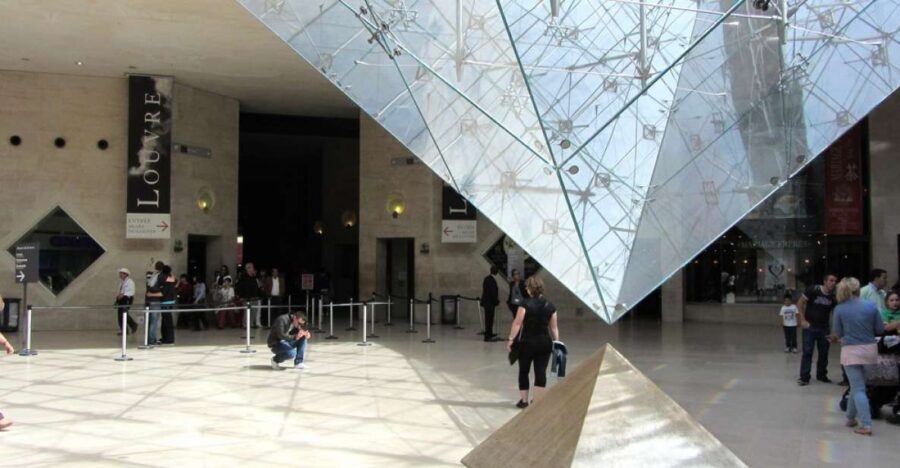
The Louvre can feel like you’re entering a maze, even when you know where you’re going. So I like how this tour begins at Arc de Triomphe du Carrousel—a landmark that’s hard to confuse with anything else. Your guide will be carrying a red tote canvas bag, so you can quickly spot the group and get moving.
This matters because it sets the tone. When the start is smooth, you’re more relaxed once you’re inside. And in a museum where you’ll likely walk a lot of steps, that calm energy helps you actually notice details.
Practical tip: wear shoes that handle stone floors and lots of indoor walking. The tour is only 2 hours, but the Louvre’s layout can still rack up distance fast.
You can also read our reviews of more museum experiences in Paris



Skip-the-line entry: the value in a short 2-hour route
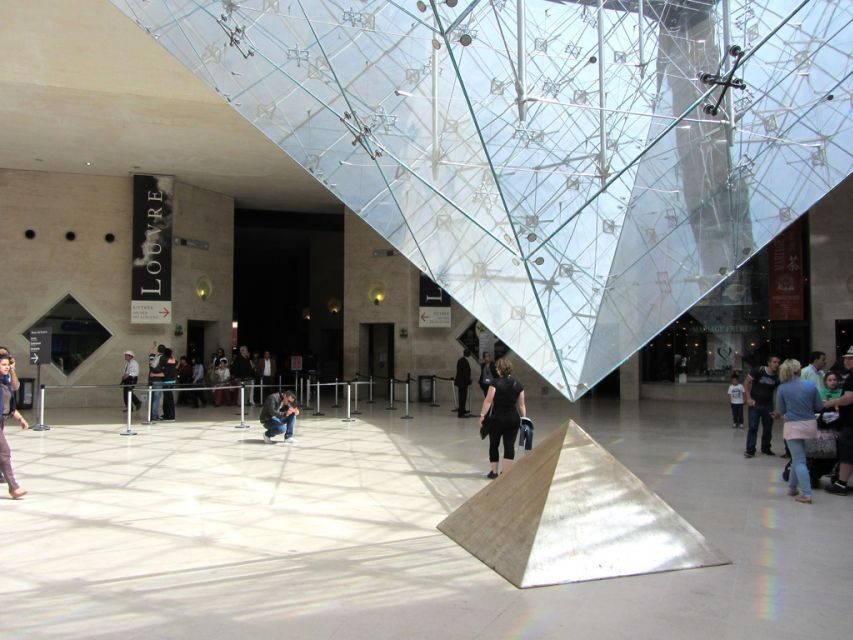
Skip-the-line sounds like a convenience thing. In the Louvre, it’s more like time insurance.
With a 2-hour duration, you don’t want to spend the best part of your visit in an entry queue. You’re paying for your time to turn into viewing time. Once inside, the guide keeps you moving from one highlight to the next, so you build momentum instead of getting stuck at the first bottleneck.
Also, the skip-the-line ticket is for museum entry, not for turning the Louvre into a quick “see all the things” sprint. You should still expect to walk and listen. But it’s a smart fit if you want an edited, high-impact Louvre experience.
How the guide connects Renaissance, Neoclassicism, and Romanticism

What makes this tour feel different from a standard “look at this painting, then that one” path is the storyline. The guide concentrates on three periods—Renaissance, Neoclassicism, and Romanticism—and uses art to explain shifts in ideas.
You’ll get a sense of the move from medieval thinking toward early Renaissance ideals—especially the rise of Humanism, where people started paying closer attention to classical culture, the human form, and the logic of space. Then you’ll see how later artists react to those ideas, and how Romanticism brings in emotion, drama, and political feeling.
If you only have a short window in Paris, this kind of structure helps you remember what you saw. It also makes the masterpieces easier to interpret on the fly, because you’re not just collecting images—you’re collecting meaning.
Botticelli, Mantegna, and the early Renaissance energy
A big highlight is Botticelli’s Venus and the Three Graces Presenting Gifts to a Young Woman. Frescoes are already a special deal because they’re meant to be part of an architecture. In a museum setting, you still get that sense of art built into a larger world.
The guide also brings you into early Renaissance thinking through the transition you’d normally have to study at home: moving from medieval traditions into human-centered themes. This is where I like the pacing of the tour. You don’t just get dates. You get the “why it changed” behind what you’re looking at.
Then there’s Mantegna’s Saint Sebastian. This is the kind of artwork that rewards attention to posture, expression, and how the artist turns religious subject matter into something intense and personal. On a short tour, it’s a smart choice because the painting isn’t just famous—it gives you a feel for early Florentine approaches to realism and presence.
Nike of Samothrace and why Neoclassicism still hits
Not every museum highlight is a painting. The tour includes the Nike of Samothrace, a 2nd-century BC marble sculpture of the Greek goddess Nike (Victory).
This piece works even if you’re not a sculpture person. It’s about motion and impact—the feeling of victory before the story even explains itself. Neoclassicism later revived the classical world, but seeing a true ancient original like this gives you a baseline for what later artists were reaching for.
And it’s a nice contrast point within the tour. After Renaissance and fresco detail, you hit a sculpture where form and movement do most of the talking. If you tend to get tired of paint-and-canvas after a while, this break in medium can help.
You can also read our reviews of more tours and experiences in Paris






The Louvre’s painting giants: Bellini, Veronese, and Leonardo
You’ll see a range of styles across time and geography, including Bellini’s Venetian paintings. Venetian art is often about light, atmosphere, and color relationships. Even without a long lecture, that difference tends to register in your eye fast when a guide points out what to look for.
Then there’s Veronese’s Marriage at Cana, described as the largest painting in the Louvre. Scale changes everything. In a huge canvas, the details you’d normally ignore become part of the drama. You’ll also learn what makes that work significant beyond size—composition, storytelling, and how the painting handles crowds and spectacle.
And yes, you’ll see Leonardo da Vinci’s Mona Lisa. This is one of those artworks everyone knows, but the value here is not treating it like a photo-op. With a guide, you’ll get better context for why people keep returning to it—why it matters historically and how it signals changes in art techniques and expression.
One note: the Louvre can get crowded even when you use skip-the-line. Plan for some waiting around key rooms, and don’t expect total silence.
Romanticism in the 19th century: Gericault, Delacroix, and the emotional turn
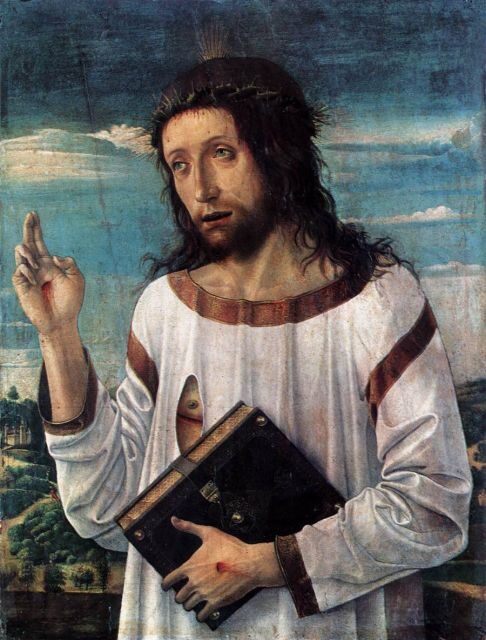
Romanticism is often described as emotional, but it’s also political and personal. This tour uses that angle with paintings that feel like they’re happening right in front of you.
You’ll see Gericault’s Raft of Medusa, a work tied to tragedy and public attention—so it’s not just visual drama. It’s a moral and historical statement made through paint.
Then comes Delacroix’s Liberty Leading the People, linked to the July Revolution of 1830. This is the kind of painting where you can feel the energy of revolution—figures, action, and symbolism layered together. A guide helps you read those layers instead of just admiring the look.
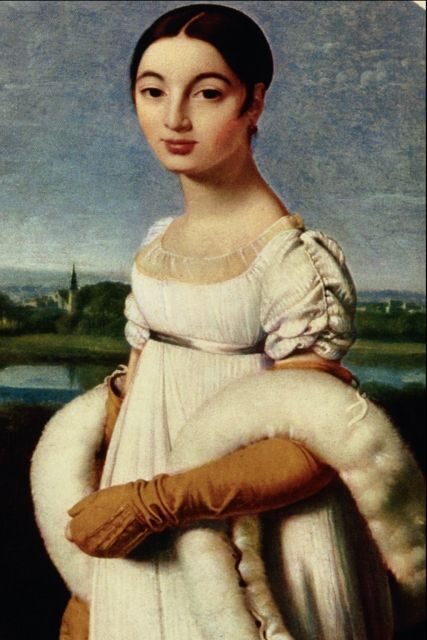
You’ll also encounter works tied to the era’s fascination with the human figure and shifting attitudes, including Ingres’s Une Odalisque. If you’ve ever wondered why certain nudes or figure studies stirred debate, this is a good place to get that context through the tour’s period focus.
And for a final pop of political and heroic tone, you’ll see Jacques-Louis David’s Crowning of Napoleon and The Oath of the Horatii. These works help show how art served power and public messaging—what leaders wanted people to feel, and how painters delivered it.
What the guide experience feels like in real life
Guides make or break a short Louvre tour. The feedback on this experience is strong, and one thing that stands out is the clarity of the explanations.
For example, I saw mention of Boris using a historical perspective and showing how the depiction of the sun and light changes across eras. That’s a practical gift: light is one of those things your eye can notice even if you don’t know art theory. When a guide turns that into a way of seeing, you end up looking longer at fewer works—which is exactly what you want in 2 hours.
I also like that the tour can work for families. One account highlighted managing the Louvre with two teenage boys, with a guide who stayed accommodating and attentive. For teens, a big museum can be a slog. A good guide’s job is to keep it understandable and moving.
Price and value: is $294 per person actually fair?
At $294 per person for 2 hours, you’re paying for three things:
- Skip-the-line entry, which saves time you can’t easily replace.
- A live guide, which turns famous works into something you can explain later.
- A private group setup, which usually means less waiting around and more ability to match the pace to your group.
If you tried to do this yourself, you’d still need time to navigate, interpret, and decide what’s worth your attention inside the Louvre’s enormous footprint. Your money here is buying a focused route and a guide who helps you understand what you’re seeing fast.
So the question isn’t just whether it’s “cheap.” It’s whether it’s the right use of your Paris time. If you’re short on time, or you want the most important Renaissance-to-Romantic highlights in a single morning/afternoon window, this price can feel reasonable.
If you have multiple days in Paris and you enjoy museum wandering with no structure, you might prefer to go self-guided and spend the savings on meals, a second museum, or a longer day trip.
Who should book this Louvre skip-the-line tour?
This tour fits best if you:
- Have limited time and want a guided hit list with meaning.
- Prefer a clear framework (Renaissance → Neoclassicism → Romanticism) instead of a random walk.
- Want help interpreting works like Raft of Medusa or Liberty Leading the People without getting lost in art history jargon.
- Travel with kids or teens and want a guide who can keep everyone engaged while you move through rooms efficiently.
It may be less ideal if you:
- Want to spend hours at one single room, reading slowly and drifting.
- Want a full Louvre survey. This is about highlights, not coverage of the entire museum.
Quick practical tips before you go
- Pack within the museum rule: no items exceeding 55x35x20 cm.
- Expect rain or shine. Go with clothing that handles wet weather and keep a small umbrella or rain layer handy.
- Bring water needs for yourself. Food and beverages aren’t included.
- If you’re taking photos, plan to pause briefly while the guide explains key details so you don’t end up with hundreds of “maybe I’ll understand later” pictures.
Should you book the Louvre Skip-the-Line tour?
If your goal is to see the Louvre’s major Renaissance, Neoclassicism, and Romantic landmarks without wasting hours in queues, I’d book this. The biggest win is the combo of skip-the-line access and a guide who gives you context so you don’t just look—you understand.
I’d hesitate only if you have plenty of time and you’re the type who enjoys planning your own route and staying put for long stretches. Otherwise, this is a strong value way to turn a short Paris visit into real art comprehension.
FAQ
Where do we meet for the tour?
Meet at the Arc de Triomphe du Carrousel. Your guide will be carrying a red tote canvas bag.
How long is the Louvre tour?
The tour lasts 2 hours.
Is there skip-the-line entry?
Yes. The tour includes skip-the-line entrance ticket to the Louvre.
Is food or drinks included?
No. Food and beverages are not included.
What languages are available?
The live tour guide is available in English, French, and Serbo-Croatian.
Is the tour private?
Yes, the tour is listed as a private group.
Is the tour wheelchair accessible?
Yes, it is wheelchair accessible.
What luggage is not allowed?
Oversize luggage isn’t allowed. Any items exceeding 55x35x20 cm are not permitted in the museum.
Does the tour run in bad weather?
Yes, it operates rain or shine.
Can I cancel for a full refund?
Yes. You can cancel up to 24 hours in advance for a full refund.