REVIEW · PARIS
Paris: Musée d’Orsay Private Guided Tour with Reserved Entry
Book on GetYourGuide →Operated by TOUR FRANCE EXPERIENCE · Bookable on GetYourGuide
A museum like Orsay can feel big and a bit wild. A private, expert-led plan makes it manageable fast. I like how you get personal attention while still covering the most important art and ideas, and I also love that the guide ties paintings to the museum itself. The one caution is the pace: 2 hours is tight, so if you want to linger at every work, you may wish you had more time.
What makes this option especially appealing is the start-to-finish flow. You’ll use reserved entry to skip the worst of the ticket lines and then walk through the permanent collection with a live guide who explains what you’re looking at. In particular, I like the mix of famous Impressionists with broader movements like Neoclassicism, Realism, and Symbolism.
The museum’s setting and structure matter here, too. Your guide is there for commentary on the museum’s history and architecture, not just a list of painting titles. One possible drawback to consider: at $282 per person, this is best when you value focused attention over self-guided browsing.
In This Review
- Key highlights worth your time
- Why a private Orsay plan works so well in just 2 hours
- Getting in smoothly: reserved entry at the Esplanade du Musée d’Orsay
- What the 2-hour route covers: the permanent collection’s main story
- Impressionist and Post‑Impressionist highlights you can actually make sense of
- Beyond the famous names: Neoclassicism, Realism, and Symbolism
- Your guide’s role: art context plus Orsay’s architecture and history
- Price and value: what $282 gets you, and when it’s worth it
- Who this tour suits best
- Should you book this Musée d’Orsay private guided tour?
- FAQ
- What’s the duration of the Musée d’Orsay private guided tour?
- Does the ticket include entry to the permanent collection?
- Is reserved entry included, and do I skip the ticket line?
- Are temporary exhibitions included in the tour?
- What languages are available for the live guide?
- Is this a private group tour?
- Where do I meet the guide?
- Is the museum tour wheelchair accessible?
- Is audio assistance included?
Key highlights worth your time
- Skip the ticket line with reserved entry, so the tour actually starts with art, not waiting.
- 2-hour private format with flexible pacing and time to react and ask questions.
- Impressionist and Post‑Impressionist focus with major artists like Monet, Van Gogh, Degas, and more.
- Broader art movements included beyond the big names: Neoclassicism, Realism, and Symbolism.
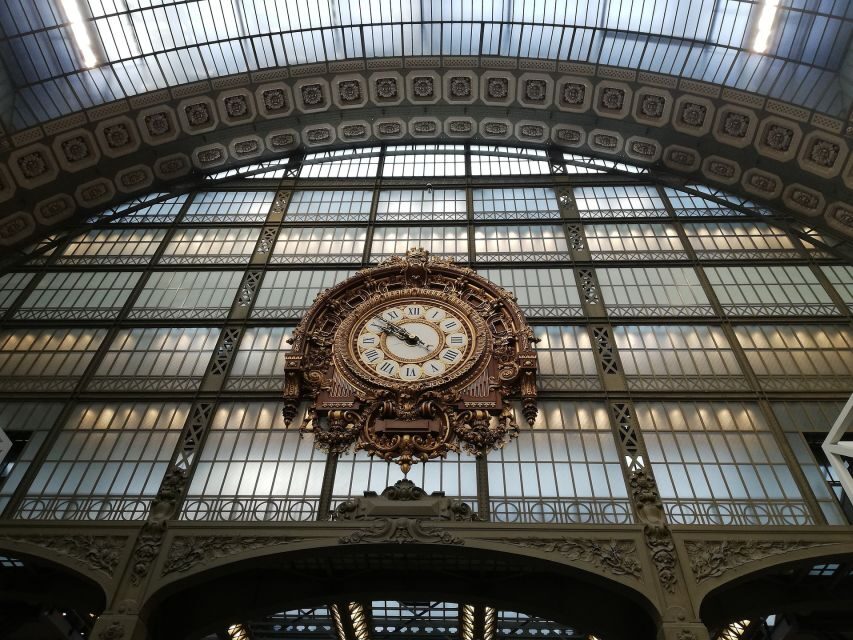
- Museum context built in, including commentary on Orsay’s history and architecture.
- Multilingual guides across English, French, and several other languages, depending on booking.
Why a private Orsay plan works so well in just 2 hours
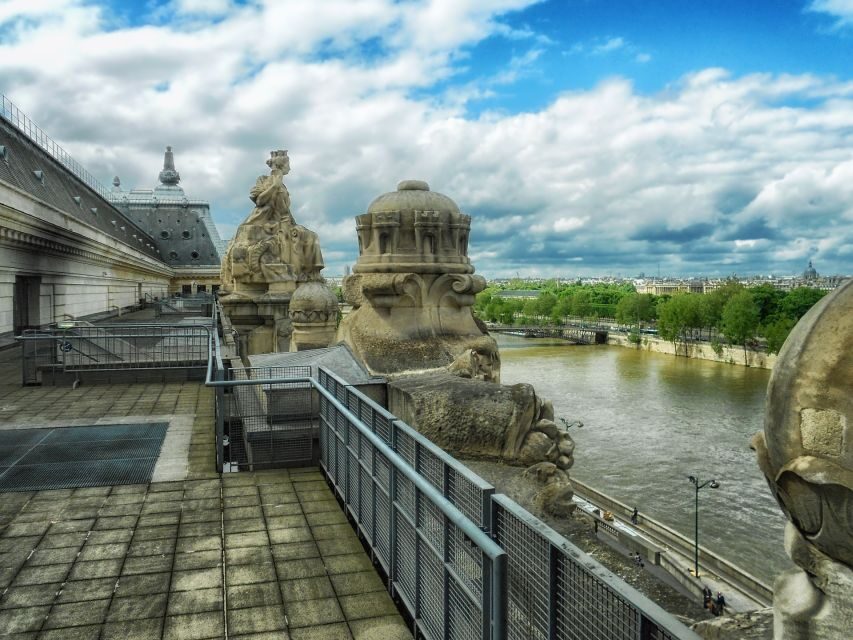
Orsay is one of those museums where the building and the collection both pull you in. The problem is that if you go alone, it’s easy to get stuck scanning labels or rushing past the paintings that would have clicked with context. This private tour fixes that by giving you a clear, guided path through the permanent collection.
I like that the tour isn’t only about famous Impressionists. You’ll see major works from multiple movements, covering art roughly from 1848 to 1914, which helps you understand how styles shifted as France changed. And because it’s private, your guide can adjust the emphasis based on what you respond to in the galleries.
The strongest part is how the guide invites your input. You’re not just watching from the outside; you’ll have chances to share your opinions with the guide while you move from room to room. That makes the experience feel more like a conversation than a lecture.
You can also read our reviews of more guided tours in Paris



Getting in smoothly: reserved entry at the Esplanade du Musée d’Orsay
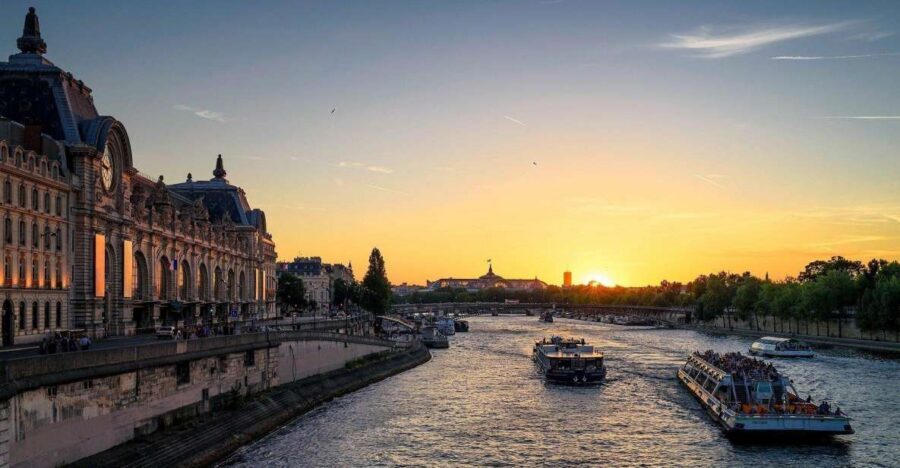
The tour begins at the Esplanade du Musée d’Orsay. Since the starting and drop-off locations are the same, it keeps things simple: you meet, you tour, and you finish back where you started.
The big practical win is the reserved entry and the fact that the experience is designed to skip the ticket line. In a museum like this, that matters more than it sounds. When you lose 30–60 minutes to waiting, you lose the best part of your visit: focused attention in the galleries while the art is fresh in your mind.
One small consideration: the exact meeting point can vary depending on what option you book. If you’re arriving right on time, double-check the specific instructions you receive for your meeting spot so you don’t waste even a minute.
What the 2-hour route covers: the permanent collection’s main story
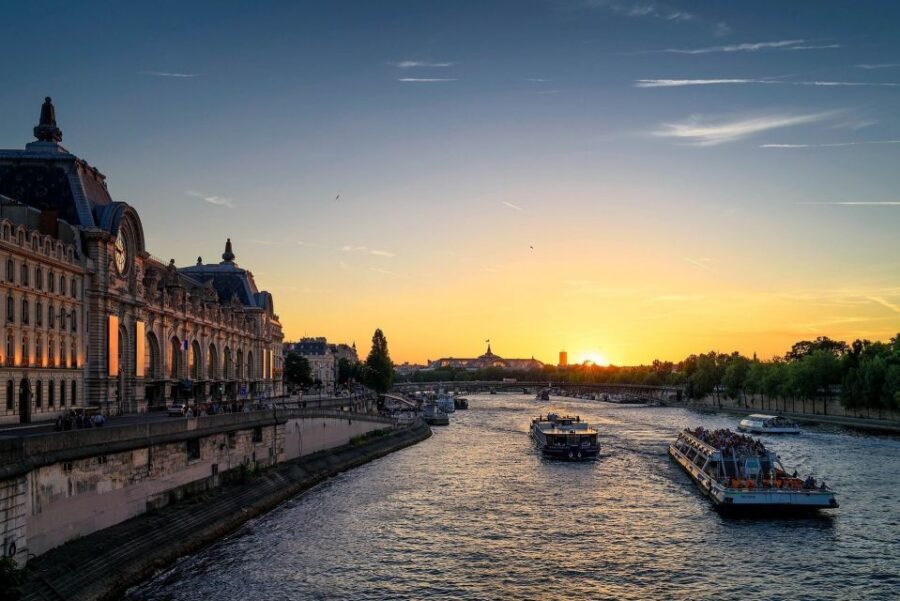
You’re in the Musée d’Orsay for 2 hours, and the tour includes a ticket for the permanent collection. That means you’ll concentrate on the long-running highlights rather than getting sidetracked by temporary exhibitions.
A helpful way to think about Orsay’s collection is as a timeline of late 19th-century art. The tour experience is set up to take you through major works spanning Neoclassicism, Realism, Symbolism, and then into the big Impressionist and Post‑Impressionist wave. Even if you only know a handful of artists, this format tends to build connections between movements fast.
Because you’re walking along the museum’s corridors as you go, the guide can point out patterns. You’ll start noticing how themes and techniques evolve across rooms, instead of seeing paintings as isolated items. And for people who like structure, that makes the museum feel less like wandering and more like understanding.
Impressionist and Post‑Impressionist highlights you can actually make sense of
Orsay is famous for Impressionism, but fame doesn’t automatically translate into understanding. This is where the private guide earns their keep. You’ll spend time on major works connected to Monet and other giants such as Van Gogh and Degas, with commentary that explains what you’re looking at and why it mattered.
I like that the guide doesn’t treat the paintings like trivia. The discussion is built around what the works are doing visually and artistically, and you can respond as you go. That turns the tour into something you can feel in your own way, rather than a one-way stream of facts.
Also, the pacing is flexible. In a museum, some rooms are naturally faster and others you naturally want to slow down. A good private guide can adjust when you linger, when you want more context, or when a particular artist grabs your attention.
One caution: if you’re chasing a very specific checklist of artworks, the tour’s broad “best of” coverage may not hit every single favorite in the exact way you’d do it alone. The tradeoff is that you’ll leave with a stronger overall picture.
Beyond the famous names: Neoclassicism, Realism, and Symbolism
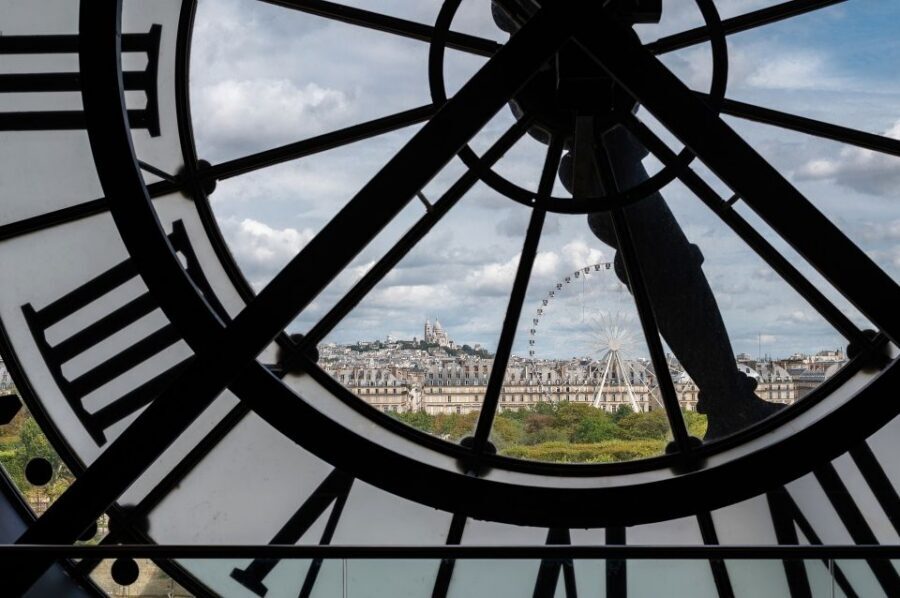
What many first-timers miss is that Orsay isn’t only a museum of one style. It’s set up to show you how artists responded to changing tastes and ideas in France between the mid-1800s and the early 1900s.
The tour explicitly includes works tied to Neoclassicism, Realism, and Symbolism, as you move through the galleries. That matters because these movements explain why the Impressionists weren’t a surprise ending. You see the shift in subject matter, style, and emotional tone as the century moves forward.
Neoclassicism and Realism can feel more formal at first glance, while Symbolism can feel more mysterious. A guide helps you “decode” those differences without making you study like a scholar. Instead, you get commentary that connects the mood of a work to what was going on culturally and artistically at the time.
If you enjoy learning how styles connect—rather than only memorizing artists—this part is likely to become your favorite stretch of the tour.
You can also read our reviews of more private tours in Paris





Your guide’s role: art context plus Orsay’s architecture and history
One of the most praised parts of this tour is the guide’s ability to connect the art to its setting. In the feedback you’ll find names like Antoine, praised for giving much more than basic artwork descriptions. The standout theme is context: he’s noted for placing what you see within the history of France and Paris, not just within art history.
That approach changes how you experience the galleries. When a guide explains the museum’s own history and architecture, you start reading the building like part of the story, not just a container for paintings. Orsay’s identity matters because the space shapes how you move and what you notice.
This is also why private time matters. In a group tour, you often get the same script for everyone. Here, you can share your opinions about works that interest you, and the guide can respond in a way that fits your reactions. It’s a small thing, but it makes the tour feel human.
Price and value: what $282 gets you, and when it’s worth it
At $282 per person for a 2-hour private guided tour, the price is not “impulse buy” territory. I see it as value when you want three things at once:
1) Speed with quality (reserved entry and skip-the-line time saving)
2) Guided understanding (commentary on the works and their context)
3) Personal pacing (private attention and room-by-room adjustment)
If you’re the type who enjoys art but finds museum information overwhelming or scattered, this tour can be a shortcut to clarity. You’re paying for someone to organize your visit and help you focus.
If you already know the art well and you like browsing at your own rhythm for longer than 2 hours, the cost may feel high. In that case, you might prefer a self-guided visit and spend more time at fewer works.
A balanced take: it’s pricey, but people who get the most out of it often leave with a deeper sense of how the century’s art connects.
Who this tour suits best
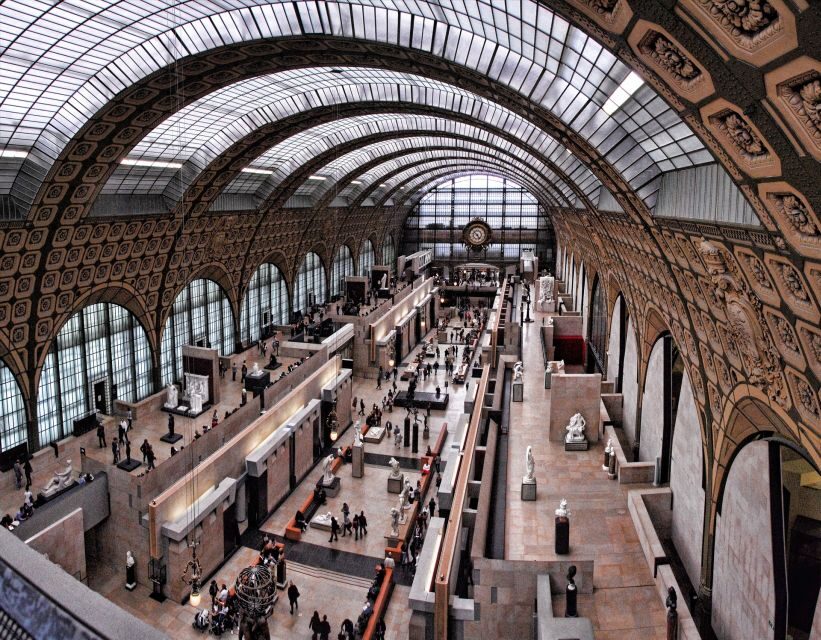
This is a strong fit if you’re visiting Orsay for the first time and you want the biggest impact in a short window. It’s also ideal if you like having a live person help translate what you’re seeing, especially when the museum includes multiple art movements beyond Impressionism.
You’ll likely enjoy it if you:
- Want to see major artists tied to Impressionism and Post‑Impressionism (Monet, Van Gogh, Degas, and more)
- Appreciate context about the museum’s history and architecture
- Prefer asking questions and reacting to paintings as you go
It may be less satisfying if you’re an Orsay regular who already knows the highlights and wants hours of unstructured wandering. The 2-hour frame can feel limiting if you want long stops at everything.
Should you book this Musée d’Orsay private guided tour?
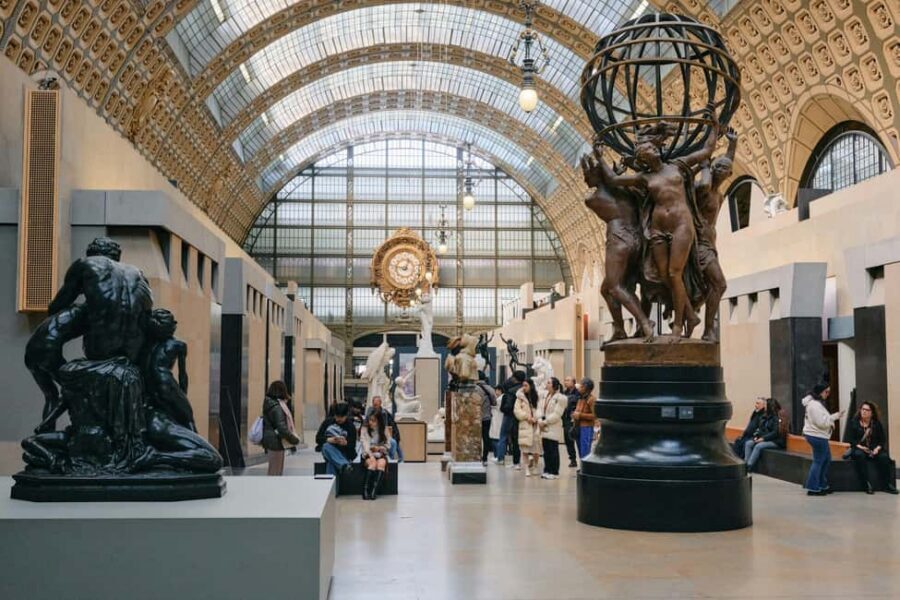
Book it if you want maximum learning per hour and you don’t want to spend your energy wrestling with where to go next. Reserved entry and a skip-the-line start help you make the most of your time, and the guide’s art + museum context is the difference between seeing paintings and understanding them.
Skip it or consider another format if you’d rather move at your own slow pace for a longer visit, or if you already feel confident navigating the museum and interpreting the movements on your own. For most people, though, a private 2-hour tour is a smart way to get the museum’s core story without turning your day into a long slog.
FAQ
What’s the duration of the Musée d’Orsay private guided tour?
The tour lasts 2 hours.
Does the ticket include entry to the permanent collection?
Yes. The tour includes a ticket for the permanent collection.
Is reserved entry included, and do I skip the ticket line?
Yes. The experience includes reserved entry and is designed to skip the ticket line.
Are temporary exhibitions included in the tour?
No. Temporary exhibitions are not included.
What languages are available for the live guide?
The guide languages listed are Spanish, German, Italian, Portuguese, Russian, Chinese, Japanese, English, French.
Is this a private group tour?
Yes. It’s a private group.
Where do I meet the guide?
The meeting point is at the Esplanade du Musée d’Orsay, and it may vary depending on the option booked.
Is the museum tour wheelchair accessible?
Yes, it can accommodate wheelchair users if you inform the operator beforehand.
Is audio assistance included?
An audio phone is not included (it’s listed as EUR 4.00).