REVIEW · PARIS
Paris Musee d’Orsay PRIVATE TOUR with a Local Private Guide
Book on Viator →Operated by Withlocals · Bookable on Viator
Orsay hits you fast once you step inside. This private tour pairs front-door guidance with story-driven stops at the museum’s best Impressionist and post-Impressionist works. I especially like how the guide can shape the visit around what you care about, and how you move quickly to the key pieces without wasting time figuring out where to go.
One thing to keep in mind is timing. A couple of experiences reported late starts, which can shave a bit off the total explanation time even if the tour end time stays on track.
In This Review
- Key highlights before you go
- Why Orsay in two hours feels easier than you think
- Picking up your guide at Rue de la Légion d’Honneur (and what happens next)
- The old train station: start with the architecture, not the paintings
- Impressionism highlights you can actually connect
- “Wander around” time: how to use it without getting lost
- Price and tickets: where the $79 really lands
- Start times and on-the-ground pace
- What it’s like with different guides (a good sign)
- Who this tour is perfect for (and who might want more)
- Should you book this Musée d’Orsay private tour?
- FAQ
- How long is the Musée d’Orsay private tour?
- Is this tour private or shared?
- What is included in the price?
- Are museum entrance tickets included?
- How much are the tickets, and how do I pay?
- Where is the meeting point?
- What are the tour stops during the visit?
- Can I choose a start time that fits my itinerary?
- Is the tour easy for most visitors to join?
- What is the cancellation policy?
Key highlights before you go
- Meet a private local guide who can tailor the route to your interests
- Impressionism focus with major names like Monet and Degas in the mix
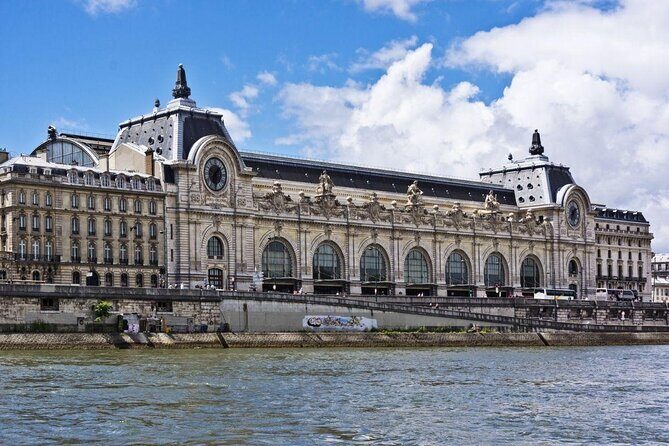
- Former train-station building helps you understand the museum’s scale and mood
- Multiple start times so you can work Orsay into your day
- Flexible wandering time after the highlights, at your own pace
Why Orsay in two hours feels easier than you think
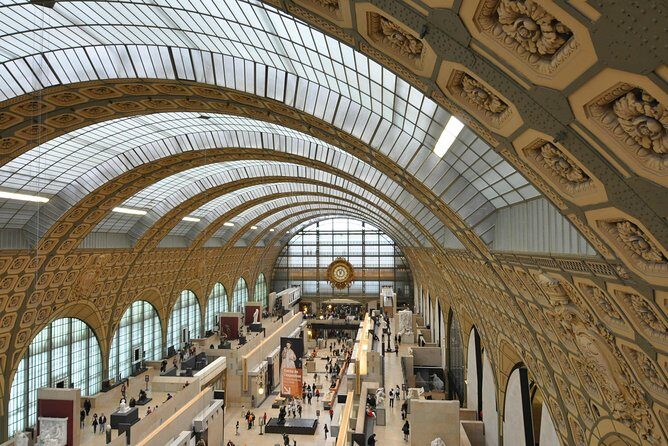
Musée d’Orsay is one of those museums where first-time visitors often feel two things at once: wow, and where do I even start? A private format solves that. In about two hours, you get a clear path through the galleries with context for what you’re seeing, then you’re allowed to drift afterward so the art doesn’t all feel like a checklist.
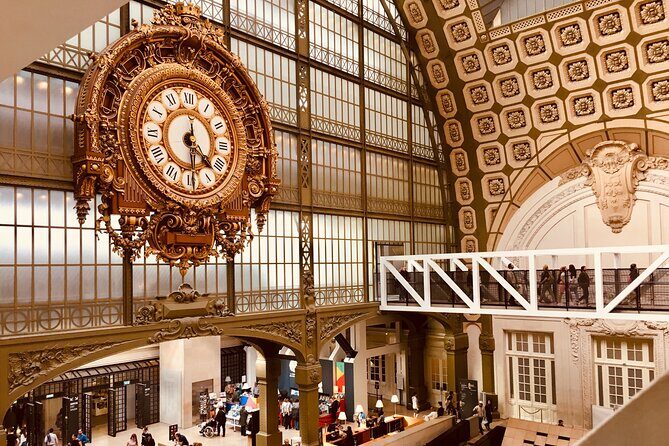
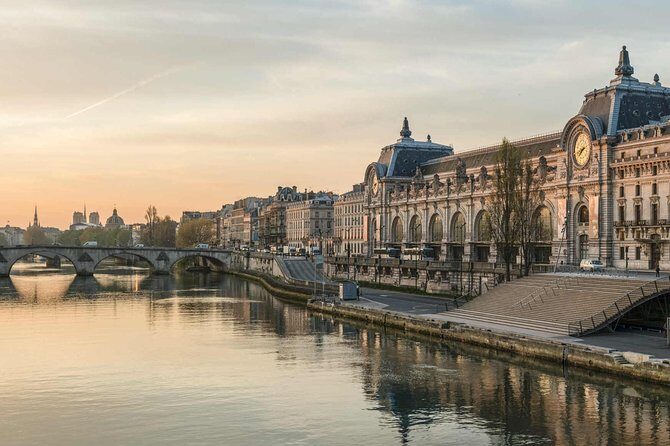
This tour is built around that rhythm: get the big stories early, then let the museum keep working on you. The building helps too. Orsay used to be a station, so the space has that long, lofty, light-filled feel that makes the Impressionist paintings seem even more at home.
Still, two hours is tight. If you’re the type who likes to linger on brushwork and read every label, you’ll want to treat this as the “best use of time” visit, not the only time you ever see Orsay.
You can also read our reviews of more guided tours in Paris



Picking up your guide at Rue de la Légion d’Honneur (and what happens next)

You meet at Rue de la Légion d’Honneur, 75007 Paris, and the tour ends back at the same meeting point. That matters more than you’d think, because you’re not burning energy figuring out trains or walking loops after you’ve already been on your feet in the museum.
It’s also a true private experience, meaning only your group participates. That gives you a big advantage over group tours: you can ask questions as you go, and your guide can adjust the pace if you’re moving slower, bringing kids, or you just hit a wall of museum fatigue. In fact, one guide was praised for staying patient with a family that arrived a bit tired after other sightseeing in Paris.
You’ll also have confirmation received at booking, and it’s near public transportation. So if your plan needs a quick reroute, you’re not stuck out in the middle of nowhere.
The old train station: start with the architecture, not the paintings
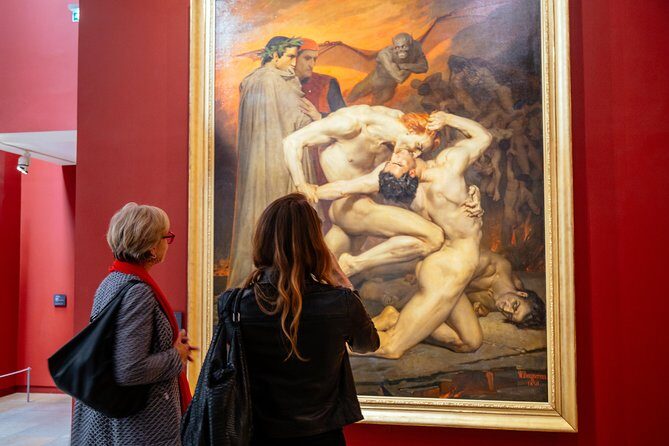
The first stop is the museum itself, and this is where I think the tour earns its value quickly. The guide points out that Orsay was once an ancient train station, and that context changes the way you read the space.
Why does that matter for your visit? Because Orsay’s layout and natural light make you feel the same kind of modern momentum that was happening in art during the Impressionist era—fast, changing, obsessed with what you notice in a moment.
It also gives you a practical way to orient yourself. Even if you’re not a design nerd, you’ll likely understand the museum faster once you’ve been shown how the building works and where the main Impressionist sections sit.
Impressionism highlights you can actually connect
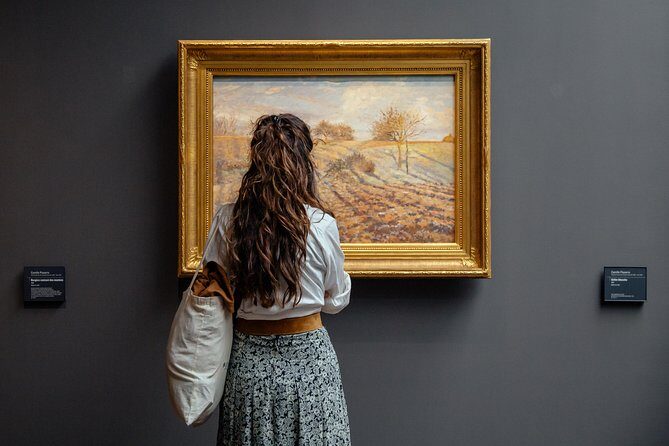
After the architectural start, the tour shifts to the collection. The emphasis is on main masterpieces of the Impressionist and post-Impressionist painters. Based on the kinds of works guides highlighted in past tours, you can expect the big names to show up—Monet, Degas, Renoir, and even examples associated with van Gogh in the museum’s broader orbit.
Here’s the difference with a good private guide: you’re not just looking at a painting; you’re learning the story that helps your eyes move differently. You begin to spot recurring themes and techniques instead of treating each artwork like a separate island.
One popular style of tour guidance involves starting upstairs early to beat crowd pressure. If you want that smoother experience, plan your visit for earlier start times when you can, and ask your guide to begin with the upstairs Impressionist rooms first before things get crowded.
Also, don’t ignore the sculptural moments. Guides have taken visitors toward Rodin sculptures during these Orsay highlight routes, which is a nice reminder that Orsay isn’t only about paintings.
“Wander around” time: how to use it without getting lost
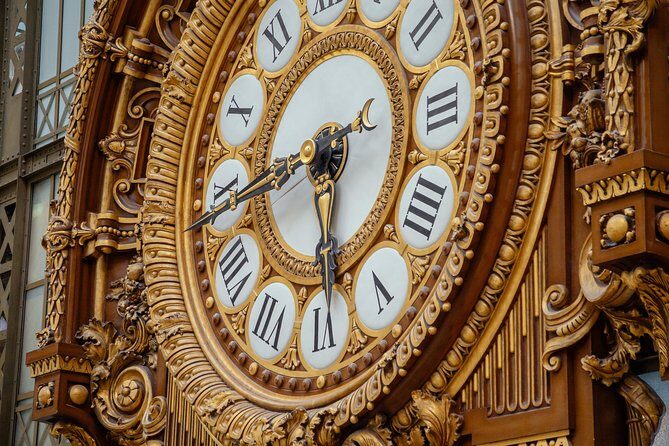
The itinerary leaves room for you to explore the rest of the museum on your own pace after the guided highlights. This is smart. It lets you go back for a second look at the paintings that clicked with you during the explanations, instead of forcing yourself to keep moving when you’re mentally spent.
To make this wandering time work, I suggest a simple strategy:
- Pick one or two artists you want to see again, not ten.
- Spend extra time where your guide’s comments gave you new context.
- Don’t be afraid to skip sections that don’t hold your attention. One good afternoon at Orsay is more enjoyable than trying to “cover” everything.
Because Orsay is a big museum, wandering without a plan can mean walking in circles. The guided portion should help prevent that. You’ll leave with a mental map, even if you don’t realize it at first.
You can also read our reviews of more private tours in Paris





Price and tickets: where the $79 really lands
The tour price is listed at $79 for about 2 hours, and it includes a private guide and a carbon neutral experience. Admission is not included, and it’s paid directly to the host in cash at 16 EUR per person.
That split is important for your math. If you’re budgeting, assume the true cost per person is your $79 plus the museum ticket amount. If you’re traveling as a group, the listing also notes group discounts, which can make the per-person value even stronger.
So is this good value? For me, the best sign is what the guide effort buys you: direction, context, and a tailored route instead of wandering blind. Orsay isn’t the kind of museum where “I’ll just walk around” always feels satisfying, especially if your time in Paris is limited.
Also, one subtle value point: a private guide helps reduce decision fatigue. You don’t have to figure out which rooms are most worth your attention first. You show up, meet your guide, and get a plan that fits your schedule.
Start times and on-the-ground pace
The tour offers multiple start times, which is great in Paris. Orsay can be a win when you match it to your energy level: go when you’re most awake, and you’ll get more from the explanations.
One consideration from real experiences: a delayed guide can affect the amount of time you spend inside with explanations. In one case, a guide arrived about 20 minutes late, even though the end time was followed. That still means you might lose around half an hour of guided talking, and that can feel frustrating if you paid for a guided experience.
My practical takeaway: build a little buffer into your day. If you have a hard deadline right after Orsay, consider choosing an earlier start time and staying flexible. That way, even if your timing isn’t perfect, you won’t be stressed.
What it’s like with different guides (a good sign)
The names that have come up in guide feedback include Anna and Julien, plus Fernanda, Emmanuelle/Emmanuel, and Chrystelle. People praised guides for being prompt, kind, communicative, and attentive, and for explaining artworks clearly enough that you leave with a real sense of how Impressionism fits together.
Some guides leaned into the history of the movement and how the works relate to each other. Others focused on highlights that made the most sense for limited time. That variety is a plus, not a problem—because with a private tour, you’re not locked into one rigid script.
If you’re visiting with family or you’ve had a long day elsewhere (like the Eiffel Tower, for example), a patient, story-driven guide can keep everyone engaged without rushing.
Who this tour is perfect for (and who might want more)
This works especially well if you:
- want to see the Orsay highlights without spending your whole day choosing what to look at
- care about Impressionism and related post-Impressionist art
- prefer a guide who adjusts the pace to your group
- want the museum experience to fit your schedule, not the other way around
If you’re an absolute superfan who already knows every artist and wants a deep, slow, “museum seminar” experience, two hours may feel short. In that case, use this as your smart first visit, then plan a longer return later.
Also, if you dislike guided tours because you want total freedom, you might prefer a self-guided visit. But the tour’s structure still gives you wandering time, so it’s not a rigid lecture from start to finish.
Should you book this Musée d’Orsay private tour?
I’d book it if you want the easiest path to the heart of Orsay. You get a private local guide, story context for the major Impressionist works, and a flexible moment to explore afterward. For a museum this large, that combination is the difference between seeing great paintings and actually understanding what you’re seeing.
Here’s how to decide quickly:
- Choose it if you have about half a day and you want the best hits with explanations.
- Skip it (or add extra time) if you know you’ll want to read every label and stay put for long stretches.
- Pick an earlier start time when possible, especially if you’re worried about crowd pressure or have other plans later.
If your goal is to leave Orsay feeling like you saw the right masterpieces and you understand why they matter, this is a strong value way to do it in two hours.
FAQ
How long is the Musée d’Orsay private tour?
The tour lasts about 2 hours.
Is this tour private or shared?
It’s private. Only your group participates.
What is included in the price?
The private guide is included, and the experience is listed as carbon neutral.
Are museum entrance tickets included?
No. Entrance tickets are not included.
How much are the tickets, and how do I pay?
Tickets cost 16 EUR per person and need to be paid directly to the host in cash.
Where is the meeting point?
You meet at Rue de la Légion d’Honneur, 75007 Paris, France.
What are the tour stops during the visit?
The tour includes the Musée d’Orsay building (noting its former train-station history), a focus on Impressionism highlights, and then time to wander around.
Can I choose a start time that fits my itinerary?
Yes. The experience offers multiple start times.
Is the tour easy for most visitors to join?
The info says most travelers can participate, and it’s near public transportation.
What is the cancellation policy?
This experience is non-refundable and cannot be changed for any reason. If you cancel or ask for an amendment, the amount paid is not refunded.