REVIEW · PARIS
Private Tour: D-Day Beaches from Paris
Book on Viator →Operated by Normandytour · Bookable on Viator
D-Day beaches feel close to the action when you go with a private guide who actually grew up in Normandy. What makes this day stand out is the mix of big-name sites and the human context—especially the commentary from a guide whose family survived the occupation, with landing connections near Lisieux.
I really like that the tour starts early with hotel pickup in Paris, then keeps moving so you hit multiple key locations in one long day: Arromanches, Omaha Beach, Colleville-sur-Mer, Longues sur Mer, and Pointe du Hoc. The main thing to consider is language consistency; while some guides (like Igor) are fantastic with English, there have been complaints about English clarity when a different guide is assigned.
In This Review
- How the day is paced (and what could trip you up)
- Key things to know before you go
- Private morning pickup from Paris that actually saves your day
- Your guide isn’t just a voice on a podcast
- Arromanches and the British-built port system
- Omaha Beach: seeing the shoreline and understanding the cost
- The American Cemetery at Colleville-sur-Mer: where the day slows down
- Longues sur Mer batteries: German coastal defense in real form
- Pointe du Hoc: the cliffs, the Rangers, and why it’s unforgettable
- Optional paratrooper-related stops when the schedule allows
- Price and value: what you’re paying for, realistically
- What to bring for an 11-hour D-Day road day
- Small-group comfort with real-world group limits
- A note on health safety and comfort on the road
- Who this D-Day Beaches private tour is best for
- Should you book the Private Tour: D-Day Beaches from Paris?
- FAQ
- What time does the D-Day tour from Paris start?
- Is hotel pickup included?
- How many people are in a private booking?
- Does the tour include transport back to Paris?
- What D-Day sights are included?
- Are lunch and drinks included?
- What’s included in the price?
- Are there any restrictions for children?
- Is cancellation free?
How the day is paced (and what could trip you up)
This is built as an all-day, full-intensity route. You’ll be in a car for the long stretches, and lunch is on your own, so budgeting time and money for a sit-down meal matters.
If English-speaking guidance is a must, you’ll want to confirm that clearly at booking so you don’t end up waiting to catch up.
Key things to know before you go
- Early start with pickup from your hotel area in Paris, so you’re not losing the morning to logistics
- Small-group private tour with a maximum of 6 people per booking for a more personal pace
- Normandy-born guide perspective, including family stories from the occupation period
- A serious lineup of D-Day sites across Omaha Beach, Colleville-sur-Mer, Longues sur Mer, and Pointe du Hoc
- Time for optional paratrooper-related stops if the schedule allows
- Lunch and drinks not included, so plan for meals and water during the drive
You can also read our reviews of more private tours in Paris



Private morning pickup from Paris that actually saves your day
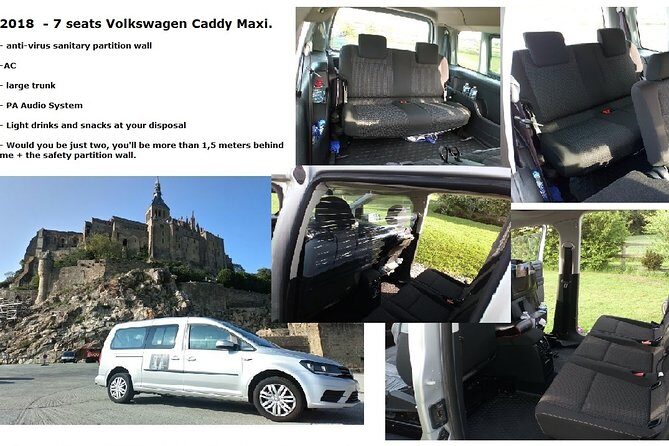
The best part of starting in Paris is that you don’t have to solve trains, transfers, or parking. You get hotel pickup early and ride in an air-conditioned minivan, which matters because this is a long day that starts before normal wake-up time.
You’ll meet at 7:00 am, and the day begins with croissants and coffee. It’s a small touch, but it helps you settle in fast—especially if you’re coming off a tight schedule the night before.
The downside: once you roll out, you’re on the clock. If you’re the type who likes to linger in museums or wander without a plan, you’ll feel the pace here.
Your guide isn’t just a voice on a podcast
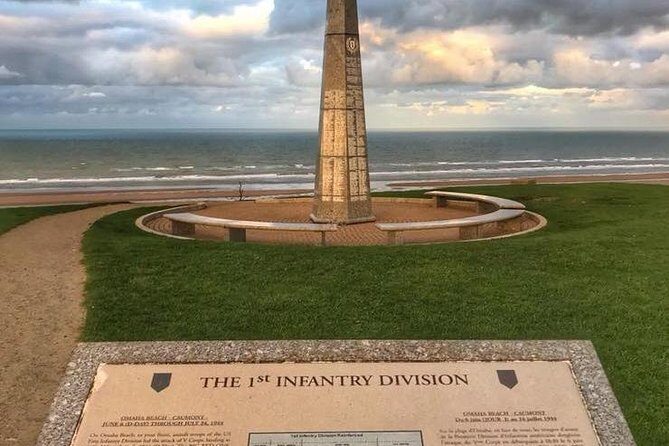
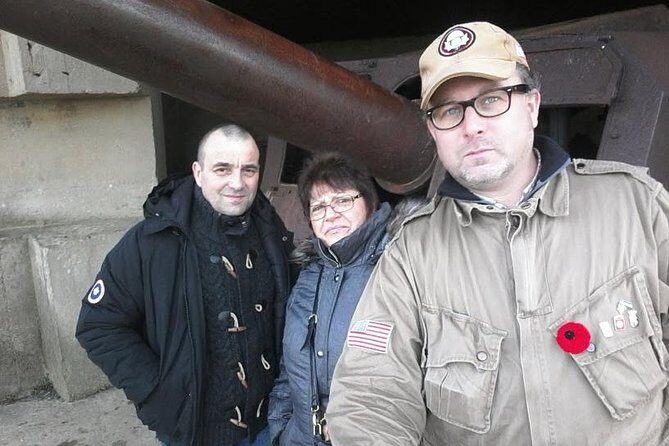
This tour leans hard on the person behind the facts. The guide is born and raised in Normandy, and in the best versions of the experience, you’ll also hear family context—survival through the occupation and experiences near the landing area around Lisieux.
In particular, Igor has been praised for being friendly and packed with WW2 knowledge, and people highlight that his explanations made the day feel like more than a checklist. There’s also mention of Jérôme O in feedback, including one case where English clarity wasn’t what was expected. That doesn’t mean the whole tour is inconsistent—but it does mean your comfort will depend on the guide assigned.
Practical tip: if you care deeply about the language level, message or request an English-speaking guide at booking, not just a multilingual option. Even with a private tour, you’ll want to understand the story clearly when you’re standing at memorials and defensive positions.
Arromanches and the British-built port system
After the drive (about two hours) you’ll head toward Arromanches, where you can see the British-built port used to organize the landing and support in June 1944. This stop is valuable because it shifts your focus from beach fighting to logistics—how supplies and troops actually made it ashore.
You also get a sense of why this region mattered beyond the first landing waves. When you understand the port and supply system, Omaha Beach and the cemeteries feel less like isolated landmarks and more like parts of a larger machine.
Drawback to note: Arromanches sets the tone early, so you’ll likely want to go in with comfortable shoes and patience for driving time. This isn’t a stop-and-stroll kind of day.
Omaha Beach: seeing the shoreline and understanding the cost
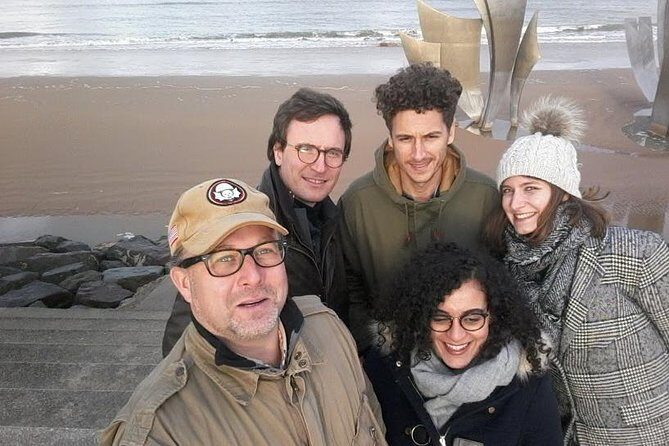
From there, you’ll make your way to Omaha Beach, one of the most famous landing areas tied to American operations. Here, the value of a private guide is huge because it’s easy to see sand and water without fully grasping what’s changed—and what hasn’t.
You’ll get commentary that helps you connect what you’re looking at to the decision-making and danger of the landing. A major benefit of a guided day like this is that you’re not left piecing together timelines on your own while your attention is split between crowds, signs, and your own questions.
What to consider: Omaha Beach can feel emotionally intense, and it helps to have a guide who can pace the story instead of rushing through it.





The American Cemetery at Colleville-sur-Mer: where the day slows down
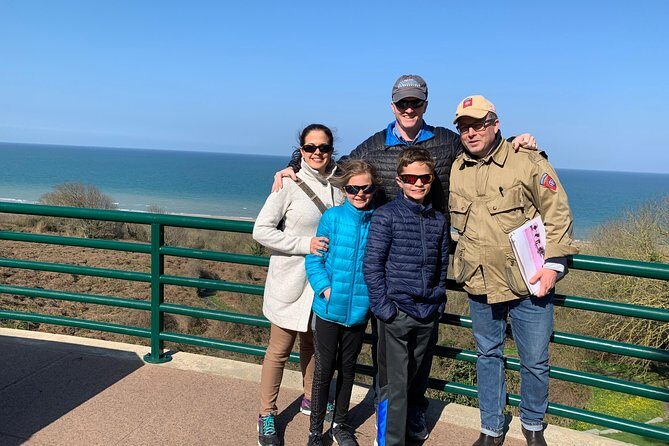
Then it’s on to the American Cemetery at Colleville-sur-Mer, where many servicemen gave their lives. This stop matters in a different way from the beaches and defensive sites. It’s not about strategy or structures—it’s about names, remembrance, and stillness.
I like this part of the itinerary because it forces a mental reset. You go from the physical remnants of war to a place designed for reflection, and the emotional contrast helps you understand what all the earlier landmarks were for.
A practical note: cemeteries are outdoors and can be windy and cool depending on the season. You might want a layer, even if Paris feels mild that morning.
Longues sur Mer batteries: German coastal defense in real form
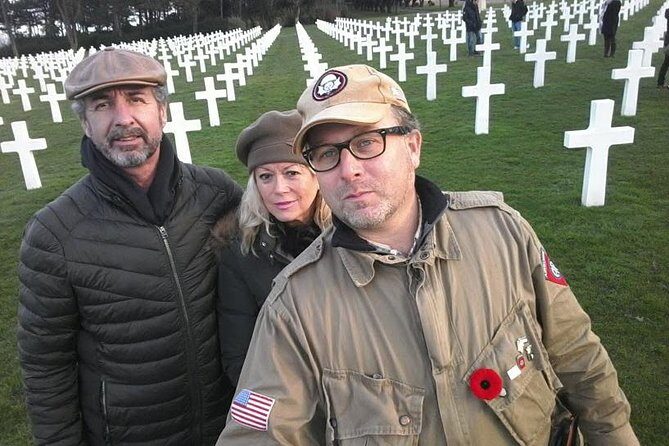
Next up is Longues sur Mer, where you’ll see the batteries the Germans used to protect the coast from Allied forces. This is where you start seeing the coastline as a system of defense, not just a backdrop.
A guided explanation helps because “batteries” can sound abstract until you’re standing near the positions and hearing how the terrain and fortifications shaped what attackers could do. It’s also a good counterbalance to Omaha Beach: you’re getting the story from the other side of the wall.
Time-wise, this is one of those stops where the best experience depends on how much time your guide gives you for questions. With a private group, you should be able to ask what you’re unsure about.
Pointe du Hoc: the cliffs, the Rangers, and why it’s unforgettable
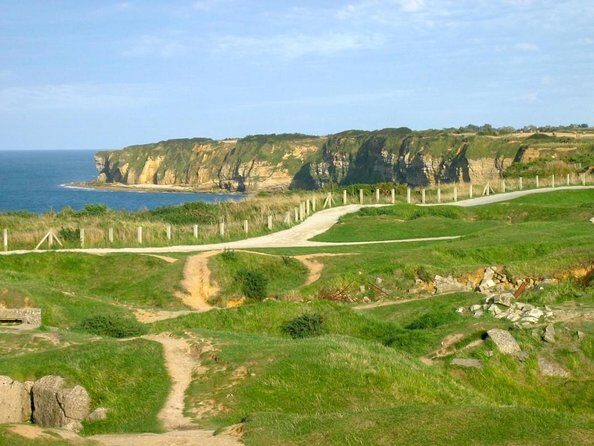
Then comes Pointe du Hoc, known for how U.S. Rangers climbed the cliffs to disarm the German defenses. This is the kind of place where the story sticks because it’s physical. You can’t help but think about height, exposure, and how hard it must have been to reach the objective under fire.
It’s also a strong reason to choose a private tour over trying to do everything solo. The site benefits from context—what the Rangers were trying to neutralize, what made the cliffs strategic, and how the Germans had positioned the defenses.
If you’re sensitive to emotional storytelling, you might ask your guide to keep the tone clear and factual. Most guides are careful, but it’s okay to set expectations early.
Optional paratrooper-related stops when the schedule allows
If there’s time, the tour may include a stop tied to the paratroopers who jumped to reinforce landing operations along the coast. This works well for people who want the broader picture: it wasn’t only beach assault, it was also about creating pressure inland and disrupting enemy response.
The “optional” part is key. If the group is moving quickly, you might get this extra context. If timing runs tight—weather, traffic, or your own pace needs—then you’re still covered by the core stops.
Price and value: what you’re paying for, realistically
At $2,544 for a private booking, the price will feel steep—until you break it down by how many people you can have in the van. The tour allows up to 6 people per booking, so if your group is full, the cost per person drops dramatically compared with buying multiple separate seats on a shared tour.
You’re also paying for convenience that adds up: round-trip transit from Paris, a dedicated professional guide, and air-conditioned transport in a private vehicle. You’re not spending your own time mapping out how to connect sites efficiently, and you’re not guessing what to prioritize when the day is too short.
What can reduce value: lunch is not included, and drinks aren’t included either. There are also add-ons for DVD and souvenir photos available for purchase. If you expect all-in pricing, plan for those extras.
What to bring for an 11-hour D-Day road day
This tour is outdoors at key sites, and you’re driving between them for much of the day. You might want to pack the basics you’d use for a winter or shoulder-season walk: comfortable shoes, a layer, and something for wind and sun.
You’ll also be out for most of the day, so bring (or buy) water during breaks when allowed. Lunch is on your own, so having a small plan—where you like to eat and how long you need—is smart.
Because it’s a private tour, you can also ask your guide to adapt timing slightly if you need a bathroom stop or want a few extra minutes at a viewpoint.
Small-group comfort with real-world group limits
This is a private tour/activity, meaning only your group participates. The maximum group size is 6, which usually creates a calmer experience than big bus tours, especially at sensitive memorial stops.
The minivan ride is also practical. It’s air-conditioned, and it’s easier to hear your guide when you aren’t fighting over headsets or competing for visibility.
One more practical detail: service animals are allowed. If that matters for you, it’s good to know upfront.
A note on health safety and comfort on the road
The guide and driver wear a mask and/or safety shield, and the van is equipped with a virus safety shield. That’s not the most romantic travel detail, but it can matter when you’re booking long-distance days where multiple bodies are involved.
This kind of setup also suggests the provider is trying to keep things consistent, which you’ll appreciate on a schedule that starts at 7:00 am.
Who this D-Day Beaches private tour is best for
You’ll love this tour if you want major Normandy stops without handling the planning math yourself. It’s a great fit for couples, small families (with children accompanied by an adult), and small groups who want room to ask questions in plain language.
It’s also a strong choice if you care about the human layer—hearing how someone from Normandy experienced the occupation era and how that shapes their explanation of the land and the events.
If you’re traveling solo and want maximum independence, you could still do it, but you’ll likely get more value when you share the booking cost across a full group.
Should you book the Private Tour: D-Day Beaches from Paris?
Book it if you want a private, guided, no-logistics day hitting Omaha Beach, Colleville-sur-Mer, Longues sur Mer, and Pointe du Hoc, with a Normandy-born guide and early Paris pickup. The “worth it” factor rises fast if you can fill the group size and if having strong English guidance matters to you.
I’d be cautious if English-speaking clarity is your top priority and you’re sensitive to rushed or hard-to-follow explanations, since there has been at least one reported issue with guide language after a guide change. The fix is simple: confirm language expectations when booking.
If you want a day that balances big WWII sites with direct storytelling you can actually follow, this is one of the more practical ways to do Normandy from Paris.
FAQ
What time does the D-Day tour from Paris start?
The start time is 7:00 am.
Is hotel pickup included?
Yes. Hotel pickup is included, and the pickup happens early in the morning from your hotel area.
How many people are in a private booking?
The maximum is 6 people per booking.
Does the tour include transport back to Paris?
You’ll be driven back to your hotel in Normandy or to the Caen or Bayeux train station to go back to Paris.
What D-Day sights are included?
The tour includes Omaha Beach, the American Cemetery at Colleville-sur-Mer, Pointe du Hoc, and other key landmarks such as Arromanches (including the British-built port area) and Longues sur Mer batteries. There may also be time for a paratrooper-related stop.
Are lunch and drinks included?
No. Lunch is not included, and drinks are not included.
What’s included in the price?
The included items are a professional guide, hotel pickup, private tour, and transport by air-conditioned minivan. You’ll also have a mobile ticket.
Are there any restrictions for children?
Yes. Children must be accompanied by an adult.
Is cancellation free?
Yes, you can cancel for a full refund up to 24 hours before the experience starts.