REVIEW · PARIS
Montmartre Walking Tour: A Journey Through Art and History
Book on GetYourGuide →Operated by Parisian Tales · Bookable on GetYourGuide
Montmartre turns into a lesson you can walk. I like the small interactive groups and the way the guide uses tablet pictures to make each stop click fast. One practical catch: there are no included snacks or drinks, so plan on water and take breaks as needed.
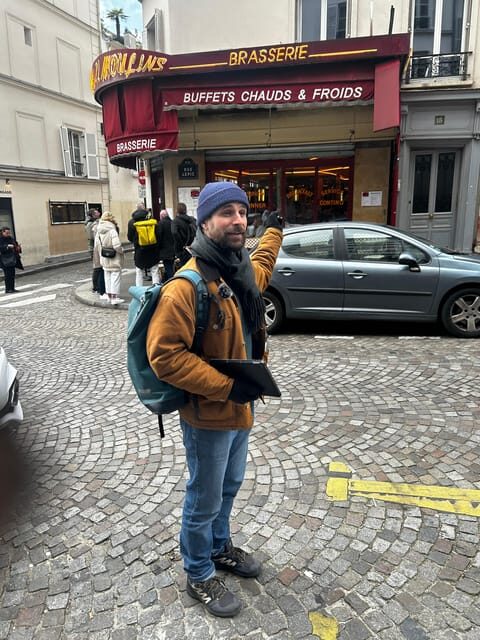
This is led by a Parisian guide named Arthur, and his style is calm, friendly, and structured. Expect strong English and careful storytelling built on studied history and art history, with attention to artists like Picasso and Van Gogh, plus a not-too-common focus on women artists and the stories history often glosses over. It’s a great fit if you want Montmartre without getting stuck in the largest crowd pockets, but it’s not for everyone—children under 10 and people over 80 won’t find it ideal.
In This Review
- Key things you’ll notice on this Montmartre art walk
- Where the tour starts: Place Blanche to the hill’s story
- Moulin Rouge: more than a postcard photo
- A secret stop and quick viewpoints: learning routes, not just landmarks
- Le Bateau-Lavoir: where art culture gathered
- Windmills and the view from the edges of Montmartre
- La Maison Rose: a photo stop with a storyline attached
- The vineyard and everyday Montmartre
- The Musée de Montmartre: a short museum stop that doesn’t waste your feet
- Final viewpoints and the walk toward Sacré-Cœur
- Price and value: $34 for 160 minutes of guided art-to-street storytelling
- What to bring and how to handle Montmartre weather
- Who this Montmartre tour is best for (and who should skip it)
- Should you book this Montmartre walking tour?
- FAQ
- How long is the Montmartre walking tour?
- What does the tour cost?
- Where do I meet the guide?
- How many people are in the group?
- What language is the tour in?
- Is the tour wheelchair accessible?
- Are snacks and drinks included?
- Is video or audio recording allowed?
- Can I cancel for a full refund?
- Who is the tour not suitable for?
Key things you’ll notice on this Montmartre art walk
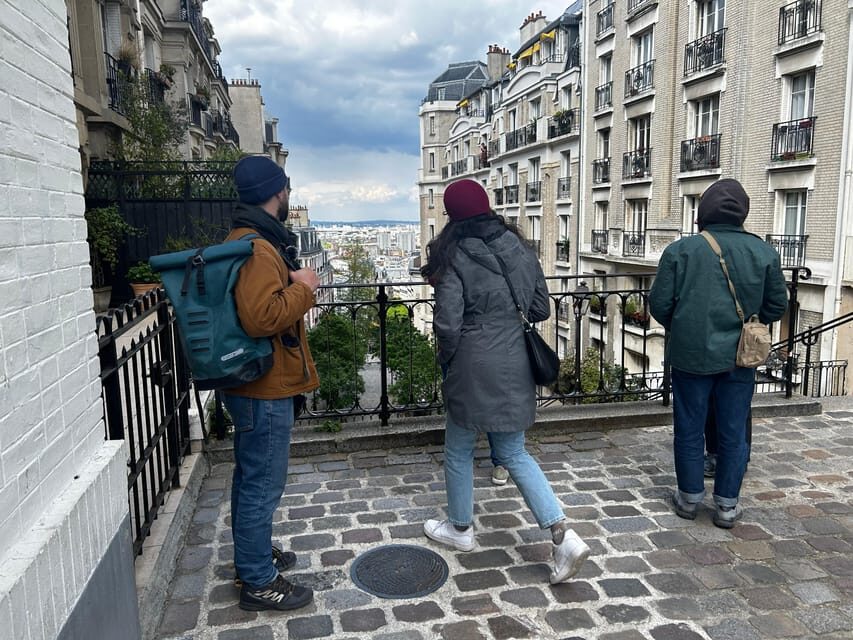
Small groups (up to 10) keep the pace human and the questions flowing
Tablet-based visuals help you connect buildings to paintings and artists
Perfect English makes the art-and-history thread easy to follow
Art, religion, and politics get tied together on the same hill
Photo stops at key viewpoints balance photos with actual context
No selling stops means you’re only there to learn, not to buy
Where the tour starts: Place Blanche to the hill’s story
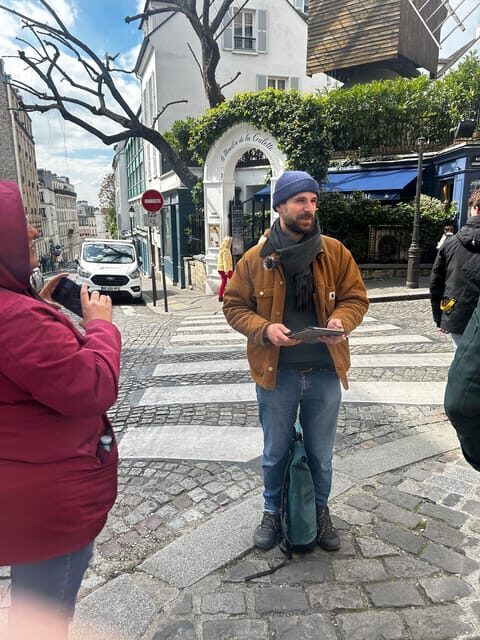
You meet just outside Five Guys at 3 Place Blanche, 75009 Paris. That matters because it sets the mood: you’re starting in a real neighborhood spot, not at a museum entrance where everyone funnels in the same way. From the first minutes, the tone is practical. You’ll be told what you’ll see, then guided into the bigger ideas behind Montmartre—how this one hill became a crossroads for art, religion, and politics.
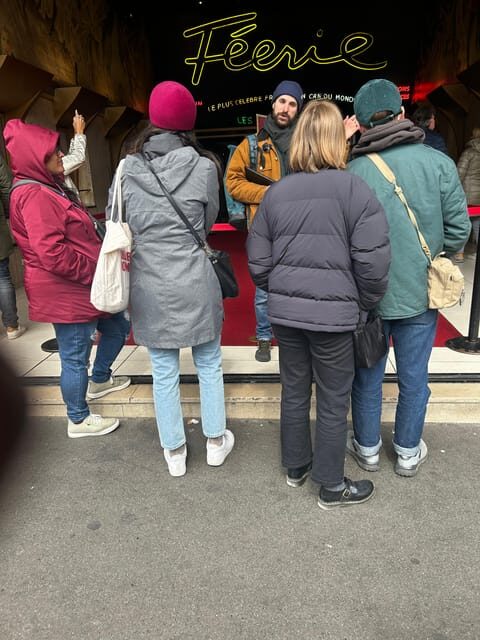
Arthur runs the tour like a walking storyboard. Instead of throwing facts at you, he connects people, places, and artworks so the neighborhood starts behaving like a single narrative. And because the tour is limited to ten people, the group doesn’t stretch into a “herd” where you can’t hear.
You can also read our reviews of more walking tours in Paris



Moulin Rouge: more than a postcard photo
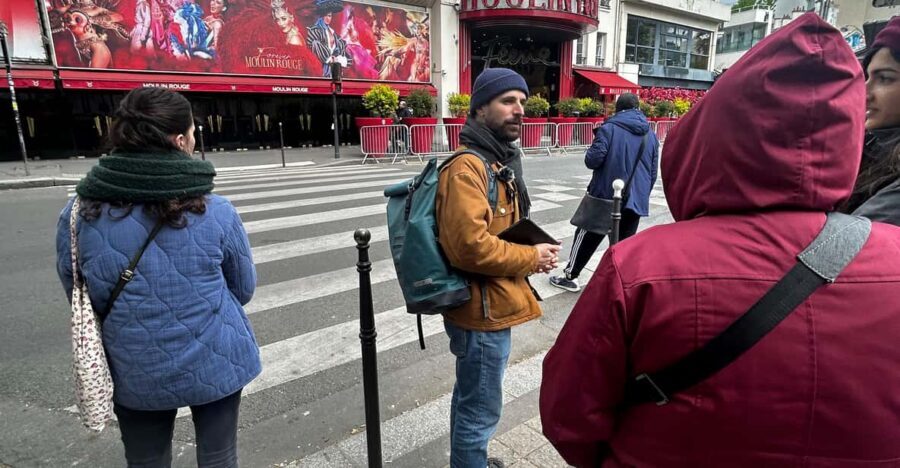
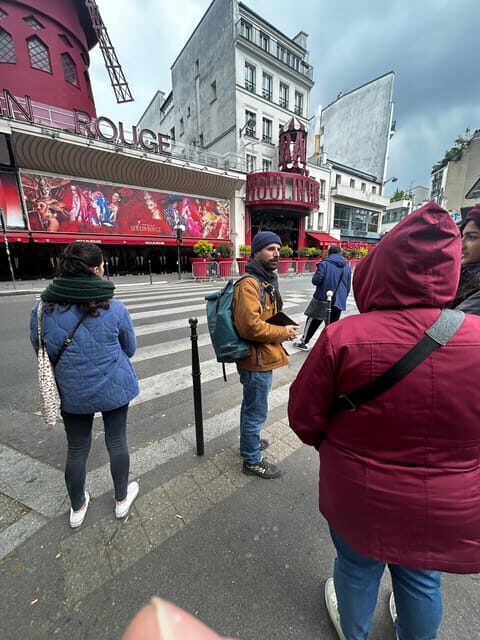
The first big named stop is Moulin Rouge. You’ll have a 20-minute segment that mixes a guided walk-through with a photo stop. This is a smart early choice: Moulin Rouge is instantly recognizable, so it gives you a reference point while Arthur explains what was going on around it when artists were finding their footing in the area.
What you should look for here is not just the building itself, but the surrounding energy—why places like this became part of the artistic conversation. The tour uses tablet visuals to help you connect the street view to what artists were responding to in that era.
A photo break is included, but it’s not the main event. The main event is context: why this district gained its reputation, and how the art scene relates to the broader cultural mood of the time.
A secret stop and quick viewpoints: learning routes, not just landmarks
Then comes a secret stop with a 20-minute guided segment. The word “secret” isn’t about drama. It’s about routing. This stop is designed to take you off the busiest lines and into streets where you can actually feel the old Montmartre fabric—small streets, local angles, and spots where the story feels more personal than a sweeping brochure view.
After that, you’ll hit a viewpoint for about 5 minutes. This is short by design. You’ll get the visual payoff, but you’re not stuck waiting around. The guide’s goal is to show you what to notice, then move you along to the next layer of meaning.
This pattern repeats. Later you’ll have additional viewpoints (again in the plan) so you get perspective without losing the thread. It’s a good rhythm for keeping attention, especially if you’re mixing this tour with other Paris plans.
Le Bateau-Lavoir: where art culture gathered
One of the most interesting parts of the tour is Le Bateau-Lavoir, with a 20-minute guided stop plus sightseeing time. Arthur treats it like more than a pretty location. You’re meant to understand why places like this mattered to working artists at the turn of the century.
Here’s what makes this stop feel valuable for your time: the tour ties the neighborhood to artist lives, so you don’t just memorize a location name. You get the “why” behind the scenes—why artists gravitated to certain spots, and how the environment shaped what got created.
And because tablet visuals are used to illustrate content throughout, you’re less likely to feel like you’re only hearing long explanations. The building becomes a reference point you can look at while the guide talks.
If you like art history but hate museum lectures that go too long, this is a nice middle ground. It’s still structured, but it’s walking and looking at real streets.
Windmills and the view from the edges of Montmartre
Montmartre is famous for windmills, and this tour includes a windmills photo stop with guided and sightseeing time (about 5 minutes). It’s brief, which keeps the flow moving—but the guide doesn’t treat it as a quick snap-and-go moment. You’ll get direction on what the windmill imagery symbolizes in Montmartre’s artistic identity.
You’ll also stop at another viewpoint (again about 5 minutes). These short viewpoint sessions are useful because Montmartre is a hill with different “faces” depending on where you stand. One angle makes streets look steep and compressed; another shows how the neighborhood breathes toward the city.
I like this approach because it helps you understand Montmartre spatially—so when you’re wandering later on your own, you’re not lost in random streets. You’ve already learned how the hill is laid out.
You can also read our reviews of more historical tours in Paris






La Maison Rose: a photo stop with a storyline attached
Next is La Maison Rose, another photo stop plus guided tour, listed at about 5 minutes. On its own, it could be the kind of photo stop that feels optional. In this tour, it’s part of the “art and daily life” conversation.
The value here is that the guide uses tablet pictures to show the relationship between what you see now and what artists saw or transformed in the late 19th and early 20th century. You’re meant to read the neighborhood like a set, not like a list of sights.
If you’re the kind of person who likes architecture and street details, you’ll likely enjoy how this stop makes you look slower—just for a moment.
The vineyard and everyday Montmartre
The itinerary includes a vineyard stop (also about 5 minutes, with guided sightseeing time). This part matters because it offsets Montmartre’s reputation as only art studios, cafés, and big names. A vineyard adds contrast. It hints at older land-use rhythms in the hill, before the area became the magnet for painters and writers.
Even if you don’t get a deep technical explanation, the tour uses this moment to widen the timeline—art didn’t float in a vacuum. It landed in a neighborhood with real routines and real terrain.
The Musée de Montmartre: a short museum stop that doesn’t waste your feet
You’ll spend about 15 minutes at the Musée de Montmartre. That’s short enough to feel manageable, long enough to be meaningful. The key is that the tour doesn’t treat the museum as a standalone destination. It’s woven into the walk’s bigger logic: how artists interpreted daily life, how Montmartre’s identity formed, and why so many stories became linked to this hill.
If you’ve been to Paris museums that run like marathons, this is refreshing. You’re not trapped in a long browse. You’re guided to the point of view you need, then back outdoors while the story stays fresh.
Final viewpoints and the walk toward Sacré-Cœur
More viewpoints appear toward the end—another about 5 minutes of sightseeing/photo—so you get one last chance to “zoom out” before the tour reaches the top.
Then comes Sacré-Cœur Basilica with a 20-minute photo stop and guided tour. This is the iconic capstone, but the tour framing is what makes it more than a skyline moment. Arthur connects the religious meaning of the basilica to the neighborhood’s artistic and political atmosphere.
You can think of the final phase like this: earlier stops help you understand what artists were reacting to; the basilica ties the cultural weight of the hill to how people lived, debated, and expressed themselves around it.
In other words, you see Sacré-Cœur as a landmark and also as part of the hill’s bigger identity.
Price and value: $34 for 160 minutes of guided art-to-street storytelling
At $34 per person for a 160-minute walk, you’re paying for three things that add up quickly in Paris: time, translation, and interpretation.
Here’s the value math that matters:
- 160 minutes is enough time for a story to develop, not just a “photo tour.”
- Small group size (up to 10) helps you actually hear the guide without yelling across the street.
- The guide’s use of tablet visuals reduces confusion. It’s easier to remember a place when you’ve seen it connected to artwork and themes.
- There’s no selling. That’s not a minor detail. In Paris, shopping-driven stops quietly eat your attention.
If you’re spending multiple hours in Montmartre anyway, the cost isn’t just “buying a route.” It’s buying clarity: how to look at what you already see, and how to understand what you might miss on your own.
What to bring and how to handle Montmartre weather
Montmartre is higher and can feel colder than the rest of Paris. Keep it simple and practical:
- Wear comfortable shoes. You’re walking a lot on a hill.
- Check the forecast and bring the right gear: umbrella or rain coat if needed, warm layers if it’s cold.
- If it’s hot, bring water. There’s a supermarket just by the meeting point, so you can top up quickly.
Also note the tour rules: no video recording and no audio recording. That’s worth keeping in mind before you show up with a phone pointed at everything.
Who this Montmartre tour is best for (and who should skip it)
This walk is a good match if you:
- Want a guided Montmartre experience that focuses on art history connected to real streets
- Like tours that keep the group small and the pace easy to follow
- Enjoy hearing about famous artists like Picasso and Van Gogh, and also want attention to lesser-highlighted stories (including women artists)
It’s also designed to work for different travel styles. The plan is described as suitable for families and for solo travelers who want companionship without group chaos.
But don’t plan it as your default choice if:
- Your child is under 10
- You’re over 80
- You need long breaks every few minutes (the tour is structured around stops and walking time)
Should you book this Montmartre walking tour?
Yes, if you want Montmartre to make sense fast. Arthur’s approach is built for people who don’t want a vague “here’s a building” day. You get a clear storyline, strong English delivery, and tablet visuals that help you connect what you’re looking at with what artists and ideas were doing in the area.
Skip it if you need a very flexible route with lots of free roaming, or if you’re traveling with young kids under 10, or if mobility needs make a hillside walking tour uncomfortable. In all other cases, it’s a solid way to spend your time: you come away with better street vision, not just more photos.
If you’re comparing options in Montmartre, this one is usually worth it when you care about the art-and-history thread—and when you want it told by someone who has lived the neighborhood and studies how art and culture actually formed there.
FAQ
How long is the Montmartre walking tour?
The tour lasts about 160 minutes.
What does the tour cost?
It costs $34 per person.
Where do I meet the guide?
You meet just outside Five Guys at 3 Place Blanche, 75009 Paris.
How many people are in the group?
The tour is limited to 10 participants.
What language is the tour in?
The tour guide speaks English.
Is the tour wheelchair accessible?
Yes, the tour is listed as wheelchair accessible.
Are snacks and drinks included?
No. Snacks and drinks are not included, and you can plan around your own preferences. There’s a supermarket just by the meeting point for water.
Is video or audio recording allowed?
No. Video recording and audio recording are not allowed.
Can I cancel for a full refund?
Yes. You can cancel up to 24 hours in advance for a full refund.
Who is the tour not suitable for?
It’s not suitable for children under 10 and people over 80.