REVIEW · PARIS
Paris city tour with private guide
Book on Viator →Operated by My Visit Experience · Bookable on Viator
Paris can feel like a blur. This tour keeps it clear.
What makes this experience stand out is the private, personalized route. Your guide meets you at your hotel and you start walking right away, then you choose which districts to hit in a focused 3-hour window. That means you’re not stuck with a rigid checklist when your group’s interests lean toward churches, big-name landmarks, or neighborhood wandering.
I also really like the guide-style focus on stories, not just sights. Guides such as Cristina, Renato, Cecile, Gabriel, and Gregoire are praised for explaining what you’re seeing in a way that holds attention, including for a teen who asks lots of questions. One more plus: your start time can be picked from multiple options, so you can fit this into a busy schedule without sacrificing an entire day.
The main thing to consider is that this is a walking tour with some serious neighborhood hopping in 3 hours. If your group needs frequent breaks, you’ll want to plan for that early with your guide, and remember the experience needs good weather to run smoothly.
In This Review
- Key things I’d bank on
- Why a 3-hour private walk beats the usual Paris crush
- How you choose 1, 2, or 3 districts in just 3 hours
- Montmartre and Sacré-Cœur: hilltop viewpoints with real street flavor
- Opera Garnier and the Palais Garnier zone: Paris grandeur in walking form
- Eiffel Tower area and central Paris: see the icon, then get the story
- Île de la Cité: the medieval core for quick orientation
- Le Marais and the Latin district: neighborhood mood with photo-friendly corners
- Price and what you actually get for $227.58 per group
- Start times, pickup, and the practical side of meeting at your hotel
- What to ask your guide so the route fits your group
- Who this private tour is best for
- Should you book this private Paris city tour?
- FAQ
- How long is the private Paris city tour?
- Is this tour private?
- Does the tour include pickup from my hotel?
- What language is the guide?
- Are entrance tickets included?
- Is food and drink included?
- Do I need good weather?
- What is the cancellation policy?
Key things I’d bank on
- Hotel start, easy ramp-up: You begin at your hotel (or a set meeting point if your hotel is outside the center), so you lose less time getting oriented.
- Choose 1–3 districts: Central Paris, Montmartre, Opera areas, Eiffel-area views, Île de la Cité, Le Marais, the Latin district, and Sacré-Cœur are all on the menu.
- English-speaking guide: The tour is offered in English, which makes it easier to ask questions on the spot.
- Outside-first sightseeing: Many of the stops are designed to be walk-up and look-from-the-street, with museum/monument tickets not included.
- Private for up to 12 people: Only your group participates, which is a big deal for comfort and pace.
Why a 3-hour private walk beats the usual Paris crush
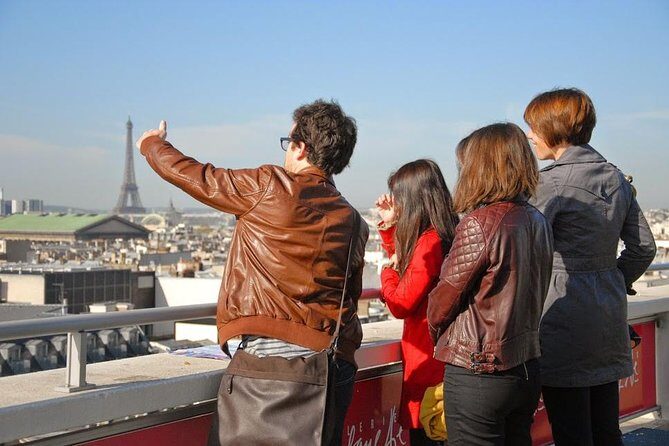
Paris is at its best when you slow down just enough to notice details. That’s exactly what this setup gives you: a guide who can steer the route based on your priorities, and time to talk instead of rushing from one photo spot to the next.
A public tour can be fine, but it often locks you into a tempo that doesn’t match your group. With a private guide, you can shift gears fast. Want more time around a specific neighborhood feel? Want fewer crowds? Want the explanation level to match your group’s vibe? You can shape the day, and your guide can adjust the route while you’re walking.
Also, you don’t have to treat this as a full-day plan. It’s a practical orientation tour: by the end, you usually know where key areas are, how they connect, and what you want to do again later on your own.
The sweet spot here is the 3-hour format. It’s long enough for meaningful storytelling and neighborhood feel, but short enough that you don’t lose a whole day to logistics, lines, or fatigue.
You can also read our reviews of more guided tours in Paris



How you choose 1, 2, or 3 districts in just 3 hours

The tour is built around picking one, two, or three districts from a menu. That’s the core strategy. In practice, this is what helps you get real value out of a short trip: you make trade-offs on purpose.
Here’s how I’d think about your choices:
- If it’s your first visit, pick one “big landmark” area plus one “neighborhood texture” area.
- If your group is picture-heavy, prioritize Eiffel-area or Opera-area views and keep the neighborhood stop close by.
- If your group loves atmosphere, pair a historic core stop like Île de la Cité with a classic stroll district like Le Marais or the Latin quarter.
Distances in Paris add up quickly. The list of possible districts includes several distinct zones. Your guide will help you choose what fits best, but you’ll get better results if you go in with at least a rough idea of your must-sees.
One more practical note: the tour is described as focused on walk-up sightseeing, and tickets for museums and monuments are not included. So if you’re planning paid interior visits (think specific tower levels or museum spaces), you’ll want to budget that separately and use this tour for the best exterior views and street-level context.
Montmartre and Sacré-Cœur: hilltop viewpoints with real street flavor
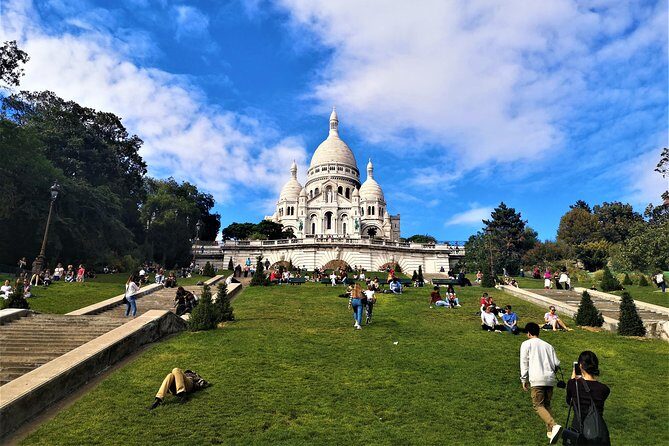
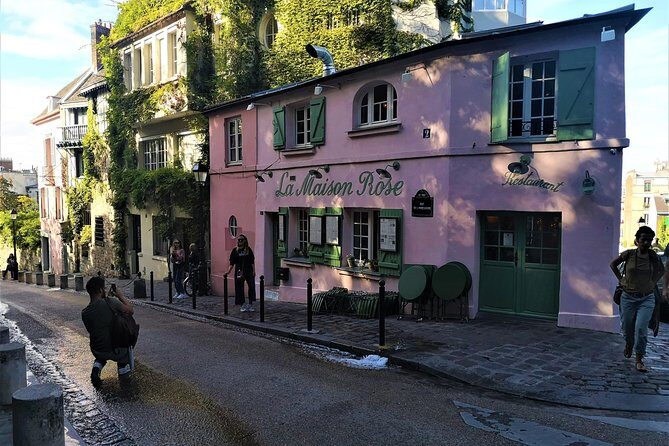
If you choose Montmartre, you’re choosing drama. The area has that “Paris postcard” feeling, but the payoff comes from understanding why the neighborhood looks the way it does and how it evolved into an art magnet.
Sacré-Cœur (Sacred-Heart) is the gravity point most people want. Even if you’re not paying to go inside anything, the views from up here help you get a mental map of the city. You’ll see why this corner feels removed from the rest of Paris while still being part of it.
The drawback with this district is simple: it involves more uphill walking than flatter neighborhoods. If your legs are fine but your group needs breaks, build that into the plan. A good private guide will pace you, since they can see how fast your group is moving and how often you want to stop.
Why this stop is worth it: it gives you variety. After more central areas, Montmartre can feel like a different storybook—especially when your guide points out viewpoints and the reasoning behind the neighborhood layout.
Opera Garnier and the Palais Garnier zone: Paris grandeur in walking form

Opera Garnier (also referred to as the Palais Garnier area) is one of those Paris landmarks that people recognize instantly. But the value on a guided walk is not just seeing a famous building. It’s connecting the architecture to the cultural moment it came from and understanding how that part of Paris operates as a destination.
This is a good match if you want:
- strong visual landmarks without a long travel scramble
- a photo-friendly route with lots to talk about
- an easy time adjusting based on what the group wants to do next
One caution: if you want to do paid interior visits, entrance tickets are not included. You might still enjoy the exterior and the surrounding streets a lot, but you should plan additional ticketing if your goal includes museums or monument interiors.
As a pacing choice, this district works well when you pair it with a nearby central area. You get big-name sights early, then you can decide whether to keep the energy high or switch into a calmer neighborhood vibe.
Eiffel Tower area and central Paris: see the icon, then get the story
The Eiffel Tower is the obvious magnet. The smart move is to use your guided time to understand how to view it properly within the city, not just from one angle.
A private route in the Eiffel/central Paris zone can help you:
- spot the best street-level perspectives
- understand how the tower fits into the broader city layout
- connect it to what people came to Paris for at different times
Here’s the practical benefit: after 3 hours, you’ll know where to go for your next photo session without wandering in circles. That matters, because Eiffel-area traffic and crowd flow can make self-guided planning frustrating.
If your group is not chasing tower interiors, you’ll likely get excellent value from a walk-focused stop here. If you are chasing interior experiences, remember that tickets are not included, so plan a separate timed visit if that’s on your list.
A final tip: keep expectations realistic. The outside views are great; interiors and summit experiences require separate time and ticket planning. A private guide can still help, but they can’t replace paid entry on a tour that doesn’t include it.
You can also read our reviews of more city tours in Paris





Île de la Cité: the medieval core for quick orientation
Île de la Cité is where Paris feels oldest. It’s also where the city’s “big story” becomes more than a headline. Even on a short walking tour, this island stop can help you understand how the city grew and why certain landmarks matter.
This is the right pick if your group likes:
- historic street context
- landmark concentration in a small area
- a sense of place that feels different from newer districts
You’ll likely find it easier to connect dots across your later sightseeing too. After you’ve seen the logic of the island core, the rest of central Paris can start making sense on sight, not just on a map.
The only consideration is comfort and pace. Historic cores can involve uneven sidewalks and tighter walking lanes. A private guide makes this easier because they can adjust routes around slower movement and request stops.
Le Marais and the Latin district: neighborhood mood with photo-friendly corners
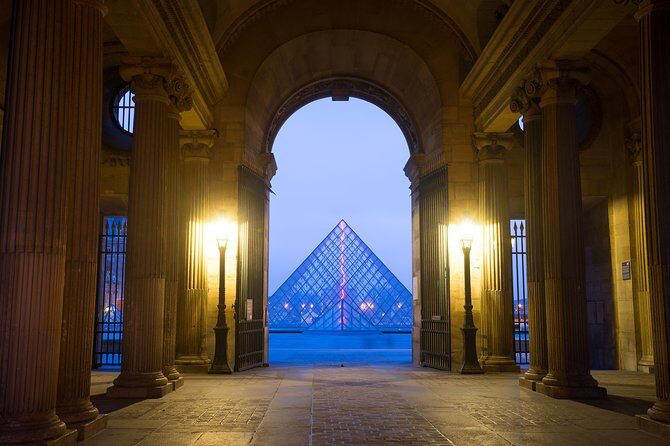
If you want Paris that feels like a place people live in—not only a stage set—pick Le Marais or the Latin district. These areas deliver a mix of historic charm and everyday atmosphere.
Le Marais is great for:
- strolling streets where the architecture does a lot of the talking
- atmosphere-heavy walks where you don’t need constant ticket stops
- groups that want options for small stops along the way
The Latin district adds a different kind of energy. It’s a popular zone for students and classic central Paris wandering. A guide can help you find the right rhythm: when to linger, when to keep moving, and how to avoid wasting time on detours that don’t match your interests.
Both of these districts also pair well with other choices. That’s one reason this tour format works. You can land in a big-name landmark zone and then pivot into a neighborhood that feels calmer and more personal.
Remember: food and drink are not included, so if you want a café break, you’ll plan it. The upside is flexibility—your guide can point you toward sensible options depending on the time of day and your pace.
Price and what you actually get for $227.58 per group
The price is listed as $227.58 per group for up to 12 people. On paper, that’s a simple number. In real travel terms, the value comes from what you’re buying: a guide who tailors a short route around your choices.
If you’re a solo traveler, private tours can feel pricey compared with group tours. But this one can be a strong deal if:
- you’re traveling with a small group and want matching interests
- you want an English guide for questions and context
- you care about comfort and pacing more than checking off every famous stop
If you’re up to 12 people, this pricing also becomes more reasonable per person. That size can be great for families and small friend groups, as long as everyone’s willing to walk and stay close.
Just be clear on what’s not included: food and drink, transfers, and entrance tickets for museums and monument. This isn’t a bundled “do everything” pass. It’s a guided route and storytelling engine. For many travelers, that’s exactly the right kind of spend in Paris.
Start times, pickup, and the practical side of meeting at your hotel
One of the easiest ways to judge a tour is how much time it steals from you. Here, the meeting approach is straightforward: your guide meets you at your hotel and starts walking from there. If your hotel is far from the center, you’ll get a specific meeting location in Paris.
That hotel-first approach matters because Paris sightseeing often comes with frustrating “meet us here at 10:15” moments. Starting from your hotel reduces that stress and helps you transition from travel day to walking day faster.
The tour is offered in English, and it lists mobile ticket use. It also mentions many start times, which is helpful when your schedule is tight and you don’t want this tour to eat your best energy window.
One more practical point: the tour works best in good weather. If the forecast turns ugly, it may be rescheduled or refunded. So if you’re planning this as a first-day orientation, keep at least some flexibility.
What to ask your guide so the route fits your group
This is the kind of tour where small questions change everything. Go in with a few priorities, and then let the guide steer.
I’d ask:
- Which 1–3 districts will feel most “Paris” for our interests?
- Where should we linger for photos, and where should we keep moving?
- Can you tailor the pacing if someone needs breaks?
The reason this pays off is that the best guidance isn’t just facts. It’s timing—knowing when to stop, what to point out, and how to connect one landmark to the next so it all clicks.
The guide’s ability to explain clearly is a repeated highlight. People mention guides like Cristina and Cecile for strong explanations, and Renato and Gabriel for street-smart, flexible route handling. That kind of flexibility is exactly what turns a short walk into a memorable overview.
Who this private tour is best for
This works especially well for:
- first-time visitors who want a guided “map in your head” fast
- families and mixed-age groups who benefit from a flexible pace
- friend groups who want to customize their neighborhood mix instead of following a script
- anyone who prefers street-level learning over museum time
It’s also a good match for travelers who don’t want entrance tickets to dominate the day. The sightseeing focus fits a walk-first style, with optional paid monument or museum plans you can add separately.
If your group loves sitting in cafés for long stretches, you’ll still enjoy it, but expect to plan food breaks yourself since food and drink aren’t included. If your group hates walking, this probably isn’t the tour type you want for a full 3-hour session.
Should you book this private Paris city tour?
Book it if you want a clear, personalized way to see several standout areas without committing to a full day. The hotel start, private format, and ability to choose 1–3 districts make it practical. It’s also strong for groups who ask questions, because the guide approach is built around explanation and flexibility.
I’d skip it if you want a ticketed, museum-heavy itinerary with timed entry to multiple monuments. This tour is about guided walking and context, not an all-inclusive ticket pass.
If you’re undecided, here’s my simple test: if your ideal Paris day includes neighborhoods, landmarks you can reach by walking, and a guide to help you make sense of it all, this is a great fit. If your ideal day is mostly indoors and mostly reserved, you may want a different kind of tour.
FAQ
How long is the private Paris city tour?
It runs about 3 hours.
Is this tour private?
Yes. It’s a private tour, and only your group participates.
Does the tour include pickup from my hotel?
Pickup is offered. Your guide meets you at your hotel and you start walking from there. If your hotel is far from the center, you’ll get a specific meeting location.
What language is the guide?
The tour is offered in English.
Are entrance tickets included?
No. Entrance tickets for museums and monuments are not included.
Is food and drink included?
No. Food and drink are not included.
Do I need good weather?
Yes. The experience requires good weather. If it’s canceled due to poor weather, you’ll be offered a different date or a full refund.
What is the cancellation policy?
You can cancel for a full refund up to 24 hours in advance. If you cancel less than 24 hours before the start time, the amount you paid is not refunded.