REVIEW · PARIS
Paris: Louvre Museum and Mona Lisa Evening Private Tour
Book on GetYourGuide →Operated by Eyes of Rome Private Tours · Bookable on GetYourGuide
Evening Louvre can feel shockingly calm. This private tour is built for you to see the museum’s big-name art with far fewer people, plus skip-the-line access so you start looking sooner than later.
I like two things a lot: minimal crowds that make the masterpieces easier to take in, and a private official guide who keeps the visit focused on what you actually want to understand. One thing to consider: with only 150 minutes, you’re getting a highlights-focused route, not a slow museum roam.
In This Review
- Key things to know before you go
- Why a private evening Louvre feels different
- Hotel pickup and the separate entrance shortcut
- Winged Victory of Samothrace: seeing scale when you can breathe
- Venus de Milo: a guided look at why it’s more than a face
- La Joconde (Mona Lisa) under near-silent viewing conditions
- The 150-minute pace: highlights done well, not the whole museum
- The guide factor: personal stories in English or French
- Price and value: paying for time, access, and calm
- Who this Louvre tour fits best
- Should you book this quiet Louvre evening tour?
- FAQ
- How long is the Louvre Museum evening private tour?
- Is hotel pickup included?
- Does this tour include skip-the-line entry?
- Which artworks are included in the tour?
- What language is the guide?
- Is it wheelchair accessible?
Key things to know before you go
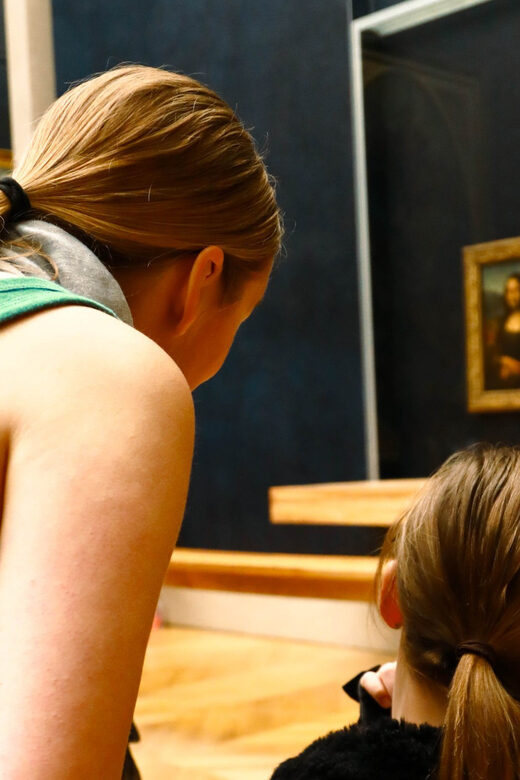
- Private group, official guide: You’ll have a dedicated person in your corner for questions and pacing.
- Evening entry = calmer viewing: The nearly empty galleries are the whole point.
- Skip-the-line via a separate entrance: Less waiting, more time with art.
- Time is structured around icons: Winged Victory, Venus de Milo, and the Mona Lisa each get a guided spotlight.
- No large bags or luggage: Plan for a small daypack and light layers.
Why a private evening Louvre feels different
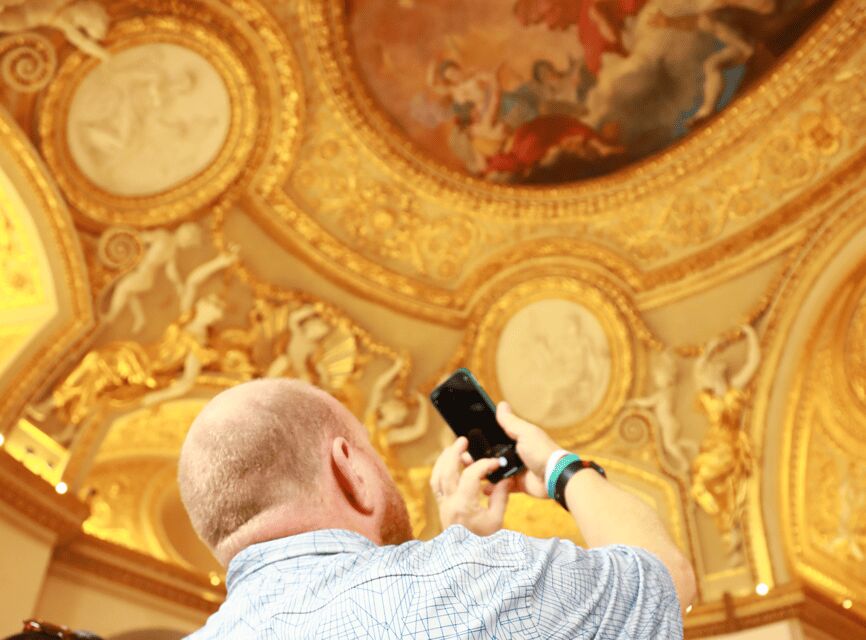
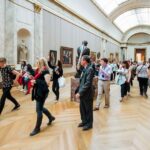
The Louvre is famous for crowds. So when you visit at night with a private setup, the experience changes fast. You’re not just seeing art after hours—you’re walking through halls that feel closer to how the museum might look to someone who lives in Paris, not someone rushing between photo stops.
What I like about the evening approach is how it supports real looking. In a crowded daytime visit, your attention gets pulled by lines, elbows, and the constant pressure to move on. At night on this tour, you get time for quieter viewing and more personal conversations with your guide, which matters because the Louvre is huge. Even if you know the names, it’s the details and context that make the art click.
And yes, you still see the iconic hits. The key difference is that you’re not constantly craning around other people. You’ll get a more human pace—good for first-timers who want the greatest hits, and also for anyone who feels museum fatigue.
You can also read our reviews of more private tours in Paris



Hotel pickup and the separate entrance shortcut
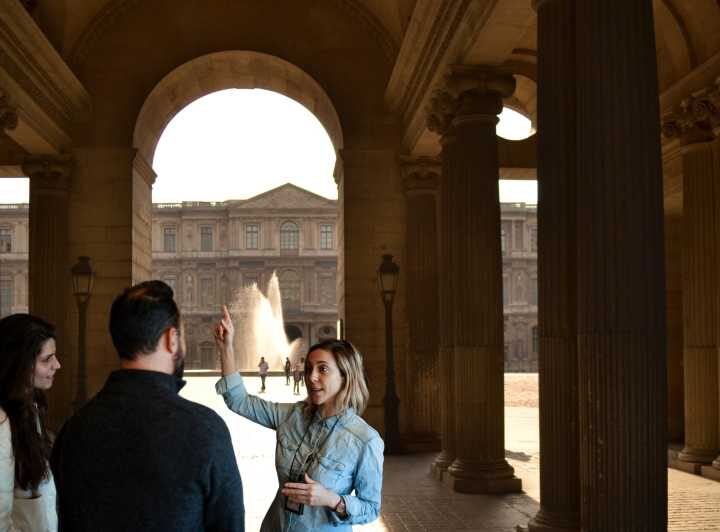
This tour starts with hotel pickup in Paris, which is a real quality-of-life upgrade. You don’t have to figure out how to arrive, where to line up, or how to coordinate your timing with museum opening patterns. You just show up in the lobby and go.
A couple of practical notes that affect how smooth the start feels:
- Be ready about 5 minutes before the scheduled time.
- The exact pickup time gets confirmed one day before.
- Pickups may be slightly earlier or later depending on traffic and your hotel’s location.
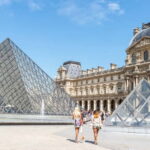
Once you’re at the Louvre, the tour uses skip-the-line tickets through a separate entrance. That’s not a small detail—waiting in a ticket line can turn “a special evening” into “standing still while you get tired.” Here, the point is to get you into the galleries and onto the art quickly, while the museum is still in a calmer rhythm.
One more thing: you’ll want to pack light. Luggage or large bags aren’t allowed, so keep it to what you can comfortably carry. You’ll also need a passport or ID card (a copy is accepted), and you’ll be asked for full names and dates of birth for participants.
Winged Victory of Samothrace: seeing scale when you can breathe
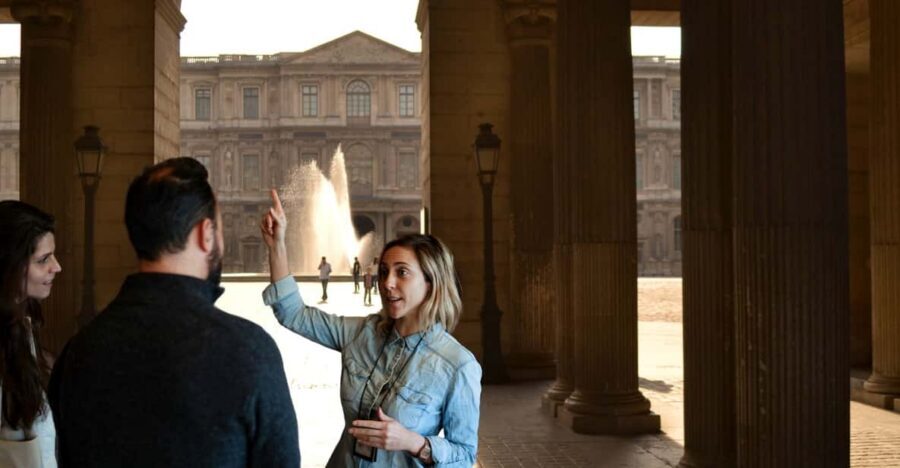
The tour’s first major museum stop is the Winged Victory of Samothrace, with about 20 minutes of guided time. This matters because that statue doesn’t land for most people as a quick photo moment—it’s all about presence and scale.
In a calmer gallery, you can step back and actually take in how the figure holds itself. You can notice how the carving tries to capture motion—especially in the way the drapery and posture suggest movement even when you’re standing still. Your guide will point out what to look for and why the statue became so influential.
The best part of this stop on a private evening plan is the viewing atmosphere. You’re not fighting for a spot in a crowded bottleneck. Instead, you can reposition, look longer, and ask questions without feeling like you’re slowing down everyone behind you.
Potential drawback: if you’re expecting a super long, slow meditation at every corner, 20 minutes is still brief. But it’s a smart use of time if your goal is to experience the Louvre’s top icons within a set window.
Venus de Milo: a guided look at why it’s more than a face
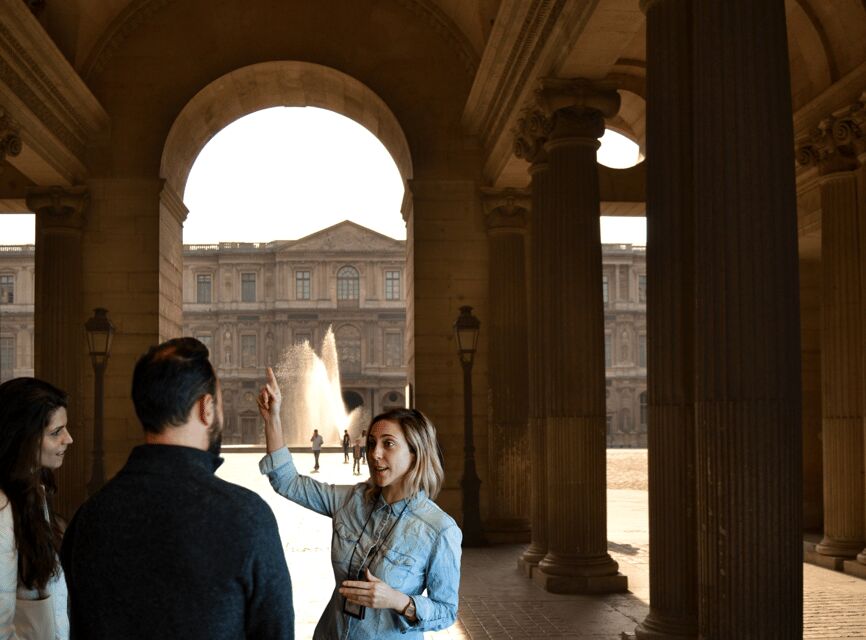
Next comes Venus de Milo, also guided for around 20 minutes. Yes, it’s famous. But it’s also easy to reduce to a single image if you only see it for a second.
What makes a private guide valuable here is that Venus de Milo rewards close attention. Even with limited time, your guide can help you notice proportions, posture, and the way the sculpture communicates calm and poise. If you’re wondering whether the statue will feel “just like another statue,” this is the moment to reset your expectations.
The evening timing helps again. In a busy daytime visit, you might catch Venus in a hurry—half watching through other people. On this tour, the quieter pace makes it easier to look at your own speed. That’s where a guided explanation becomes more meaningful: you’re not trying to listen while also trying to see past shoulders.
You’ll still be moving through the museum, but this stop gives you time to slow down long enough to understand why the work has stayed so iconic for centuries.
La Joconde (Mona Lisa) under near-silent viewing conditions
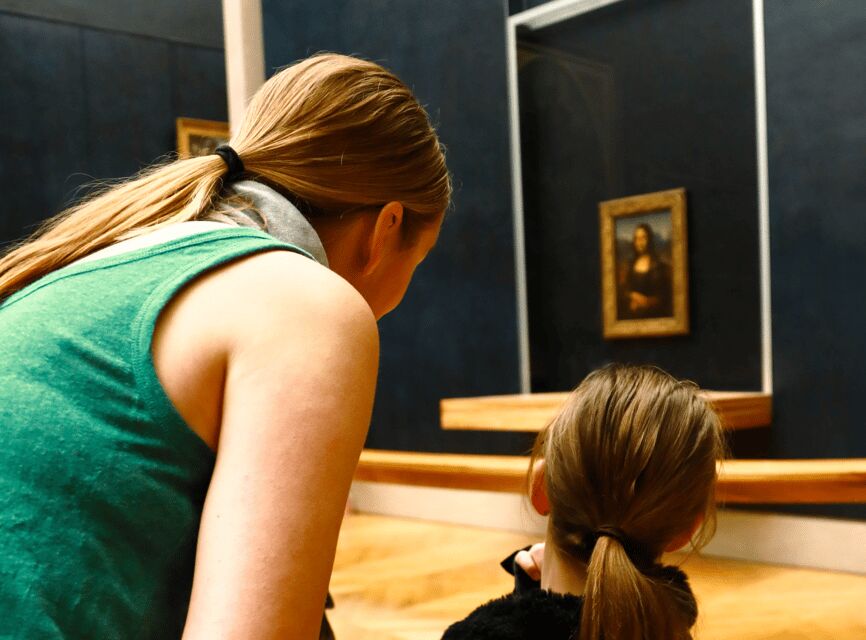
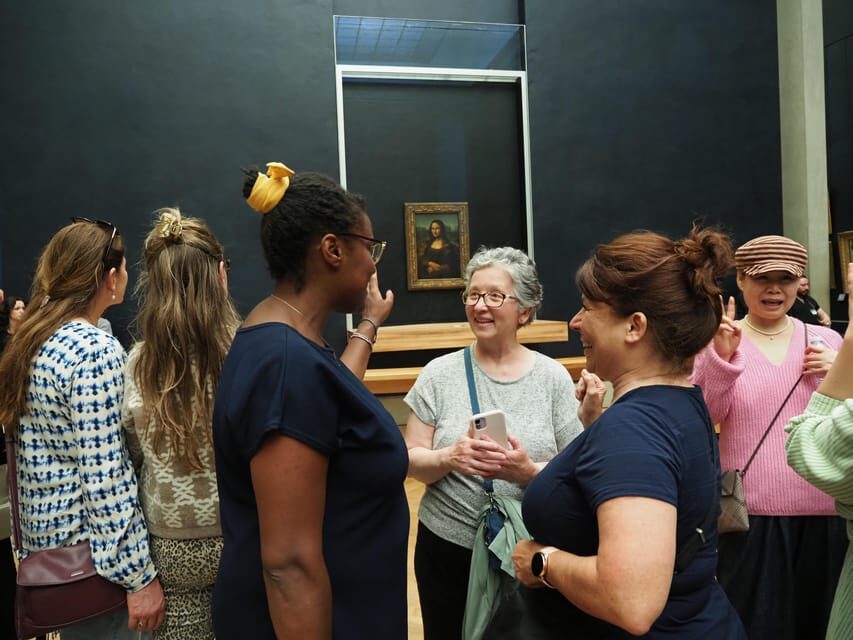
Now for the headline: the tour includes La Joconde (Mona Lisa) with about 20 minutes of guided focus. This is the part people most want to see, and also the part that can disappoint if your visit is mostly line, crowd, and stress.
The big advantage here is the atmosphere. You’re entering and moving through the Louvre with significantly fewer crowds, which usually means you can stand in one place long enough to actually study what you’re looking at. You’re not constantly getting swept along by a mass of visitors.
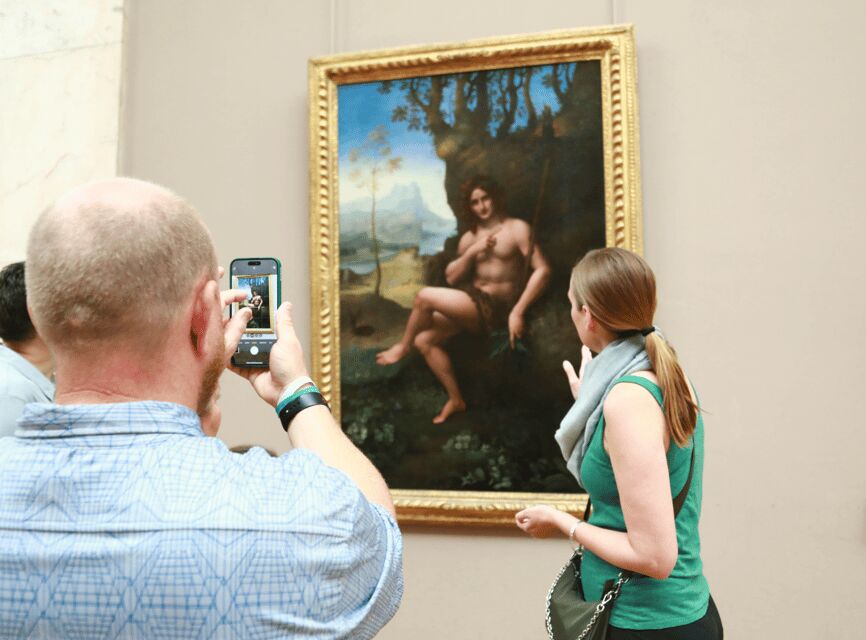
Your guide will share stories and insights, including details about the Mona Lisa’s techniques and the features people often miss. That kind of commentary is exactly what turns a famous portrait into an art experience. The Mona Lisa isn’t only about who painted it or that it’s famous. It’s also about how the painting pulls your attention—subtle shifts, expression, and the way the background works with the face.
If you’ve ever seen the Mona Lisa from far away and felt like you were just participating in a landmark photo ritual, this format is designed to help you see more than that. The tour’s quiet setting gives the guide’s explanation room to land.
One practical note: 20 minutes goes fast when you’re actually looking. If you’re the type who wants extra time here, the private format can help you ask questions and steer your attention—within the tour’s overall 150-minute timebox.
You can also read our reviews of more museum experiences in Paris



The 150-minute pace: highlights done well, not the whole museum
The tour runs for 150 minutes, and that’s a key piece of value math. You’re paying for focused time with a private official guide and skip-the-line entry, not for a full-day Louvre marathon.
Here’s what that usually means in real life:
- You’ll hit the biggest names with structured guided time.
- You won’t try to see everything in the Louvre’s sprawling collection.
- You’ll likely leave with a clearer sense of what you just saw and why it matters.
This can be perfect if you’re visiting Paris for a short trip or if you know you want the essentials without the chaos. It’s also a good fit if you don’t want to spend hours guessing what matters. The guide does that work for you—pointing out the artworks, explaining context, and helping you look smarter.
It might be less ideal if you’re the type who prefers wandering without a plan and building your own route through the museum. In that case, a longer independent visit might suit you better. But for most people, this kind of focused evening tour is the sweet spot: you get the Louvre’s icons with energy still intact.
The guide factor: personal stories in English or French
A tour like this is only as good as the person leading it. This one includes a private official tour guide and runs in English or French. The private format also means the guide can adapt to your questions instead of speaking into a crowd.
From the way guides have been described, the standout approach is technique and era context, especially around the Mona Lisa. One guide named Maëva is highlighted for showing how the art is put together and what to notice in different periods. Another guide named Francesca is mentioned for being prepared and friendly.
You don’t need to be an art expert. The whole point of bringing an expert is to make the museum’s scale feel manageable. When the guide gives you a framework—what to look for, what makes the work important, and what to compare—it’s easier to feel satisfied even if you don’t love every room.
And because this is an evening experience with fewer crowds, your questions don’t get swallowed. You’re more likely to have back-and-forth conversations, not just receive a rapid lecture over people’s footsteps.
Price and value: paying for time, access, and calm
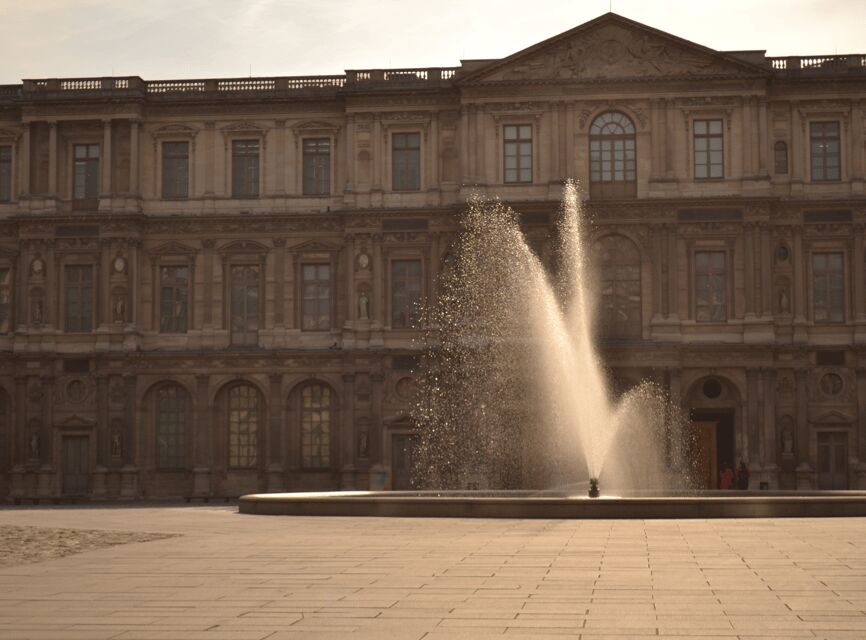
The price is $283 per person for a 150-minute private evening Louvre tour that includes:
- a private official tour guide
- Louvre skip-the-line tickets
- hotel pickup from any hotel in Paris
That price might feel high at first, but it’s helpful to think about what you’re buying: you’re buying saved time and reduced stress, plus expert interpretation.
Skip-the-line access has real value in the Louvre. Waiting can chew up your energy fast, especially at the end of a long travel day. Hotel pickup also removes a chunk of planning burden. And the guide turns what could be a quick snapshot circuit into something you actually remember—because you understand what you’re seeing.
Is it a budget option? Probably not. But if you care about a calmer experience and you want the Louvre’s biggest icons without spending your whole visit in crowd management, this is the kind of splurge that can be worth it.
Also consider who’s paying. If you’re traveling as a couple or a small group, the private guide format can feel more efficient. If you’re solo, you’re still paying for access and guidance, which can be a smart trade if you want to avoid DIY confusion.
Who this Louvre tour fits best
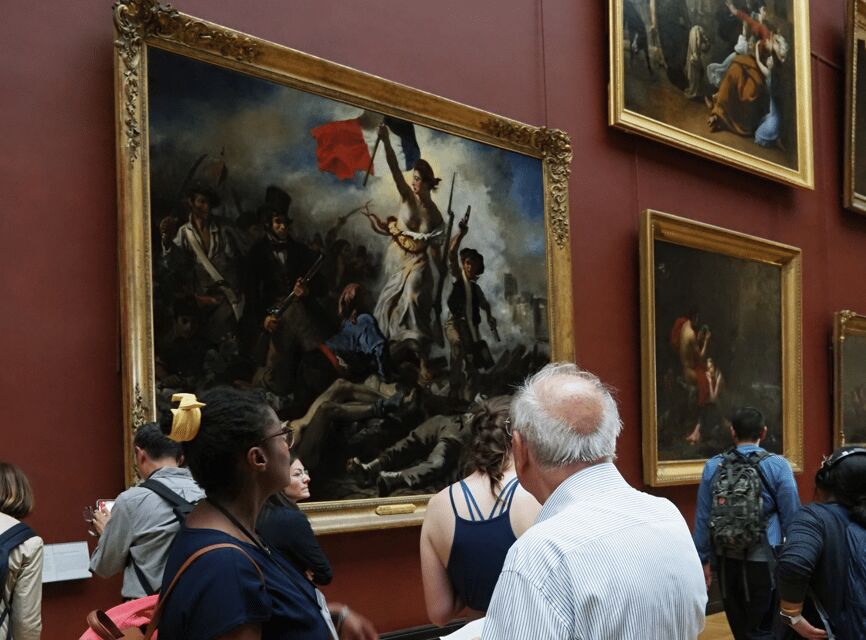
This private evening Louvre plan works especially well if you:
- want the Mona Lisa, Venus de Milo, and Winged Victory without a full-day commitment
- prefer quieter viewing over photo-jostling
- like having a guide explain what you’re seeing, in English or French
- would rather spend 150 focused minutes than try to conquer the museum alone
It’s also a good choice if you’re not sure where to start in the Louvre. The guide gives you an intentional route, and you end up with a coherent experience instead of a scattered set of impressions.
The tour is not suitable for wheelchair users, and because large bags/luggage aren’t allowed, plan for light carry-on only.
If you’re the type who wants to wander freely, this may feel a bit structured. But if you’d like structure that protects your attention, it’s a strong match.
Should you book this quiet Louvre evening tour?
If your top priority is seeing the Louvre’s greatest icons in a calmer setting, I’d call this a solid booking. The combination of hotel pickup, skip-the-line entry, and a private guide is exactly what reduces the usual friction of visiting the museum.
I’d book it if:
- you’re short on time and still want the Mona Lisa and other headline works
- you want less crowd pressure and more quiet looking
- you value explanations that help you see better, not just stand in front of art
I might skip it if:
- you want a long, free-form Louvre exploration across many departments
- you need wheelchair accessibility
- you’re traveling with luggage or large bags and can’t travel light
One last practical reality check: the activity rating is 2.9 based on 3 reviews, which is a small sample size. So I’d treat it as “worth checking,” not “guaranteed perfect for everyone.” Still, the key strengths highlighted—calm access, professional guidance, and focus on major works—are strong reasons to consider it.
FAQ
How long is the Louvre Museum evening private tour?
It lasts 150 minutes.
Is hotel pickup included?
Yes. Pickup from your hotel in Paris is included. You’ll need to be ready in the lobby about 5 minutes before the scheduled time.
Does this tour include skip-the-line entry?
Yes. You get Louvre skip-the-line tickets and enter through a separate entrance.
Which artworks are included in the tour?
The guided stops include Winged Victory of Samothrace, Venus de Milo, and La Joconde (Mona Lisa).
What language is the guide?
The live tour guide is available in English and French.
Is it wheelchair accessible?
No. This tour is not suitable for wheelchair users.