REVIEW · PARIS
Private Secrets of Paris Bike Tour
Book on GetYourGuide →Operated by Fat Tire Tours - Paris · Bookable on GetYourGuide
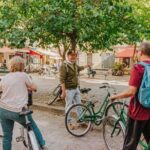
Paris by bike beats the usual gridlock. I love that this is a private ride with a real guide, not a headset crowd, and you get the Latin Quarter from street level. The stops mix big-name monuments with off-the-main-story details that make the city feel layered. One heads-up: this tour is for cyclists who are comfortable riding in a city, with occasional road segments where cars can be around and some small hills.
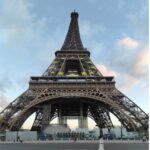
You start near the Eiffel Tower and follow the Seine past major monuments, then you peel away from the easy tourist routes for quieter corners. The route includes an ancient Roman Arena relic and the Pantheon, plus older walls where Paris’s different eras overlap. In previous tours with this company, guides like Harrison and Aaron have been praised for clear communication and animated storytelling, which matters because this is where the tour becomes more than a bike ride.
In This Review
- Key Things That Make This Bike Tour Worth Your Time
- Riding the Seine, Then Cutting to Paris’s Side Streets
- Roman Arena and the Pantheon: Big Monuments, Smart Explanations
- The Quirky Stops: Dali’s Sundial and a Cannonball in a Wall
- Bike Comfort, Road Reality, and the Pace You Should Plan For
- Meeting Near Dupleix and What to Bring for a Smooth Start
- Value Check: Is $294 Worth It?
- Who Should Book This Private Bike Tour
- Should You Book the Private Secrets of Paris Bike Tour?
- FAQ
- How long is the Private Secrets of Paris Bike Tour?
- Is this tour private?
- What language is the tour guide?
- What’s included with the ticket price?
- Where do I meet the guide?
- Do I need to be an experienced cyclist?
- Is this tour suitable for children?
- What should I bring?
- Does the tour run in bad weather, and can I cancel?
Key Things That Make This Bike Tour Worth Your Time
- Roman Arena relic: a rare chance to see a serious piece of Paris’s Roman past in the middle of modern streets
- Pantheon viewing: a major monument dedicated to France’s great figures, explained in plain language
- Latin Quarter streets: less obvious routes where you can actually feel the neighborhood’s history
- Quirky Paris details: a Salvador Dali sundial and an odd cannonball story in a wall get special attention
- Real city cycling: about 12 km / 7.5 miles, with some hills and occasional car proximity, helmets included
Riding the Seine, Then Cutting to Paris’s Side Streets
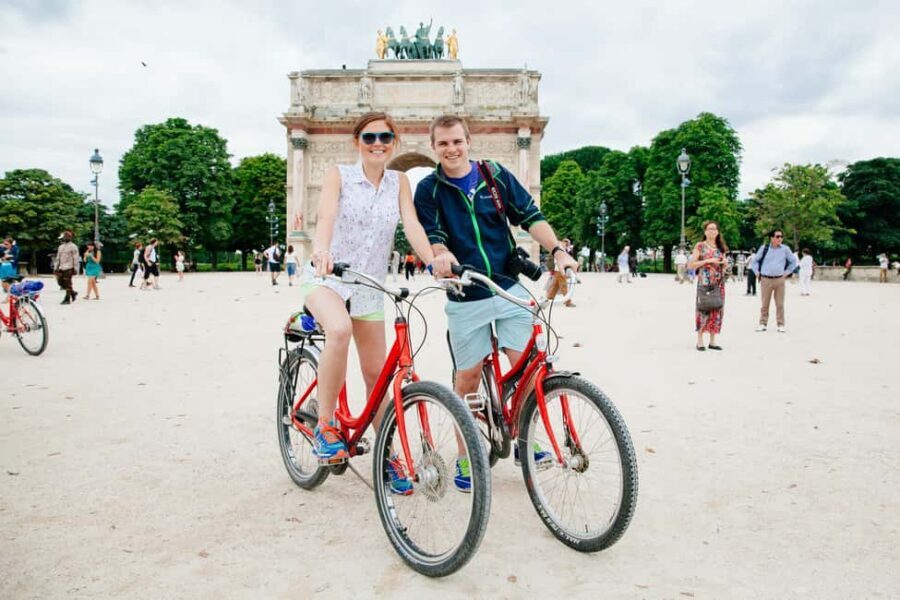
This tour hits a great rhythm: first, you get your bearings with a ride along the River Seine, then you trade the wide, famous viewpoints for smaller streets where Paris starts telling its quieter stories. Starting near the Eiffel Tower means you’re already in the most connected part of the city, which makes the whole plan easier if you’re staying central.
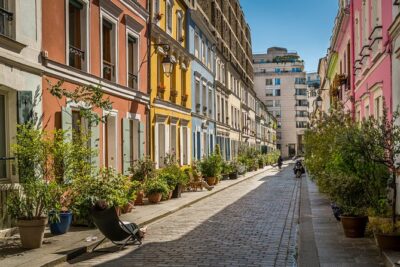
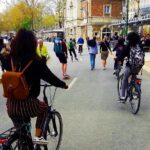
On the Seine stretch, you’ll ride by major monuments and get those big-photo moments, but the best part is what comes after. That’s when the guide steers you away from the most trodden routes and into the Latin Quarter area, where the architecture, street scale, and age of the buildings start to feel more intimate. You’re not just looking at Paris—you’re moving through it, which changes how you understand distance and location.
I also like that the tour isn’t trying to be a speed contest. The total distance is about 12 km / 7.5 miles, and at this pace you can actually pay attention to what the guide points out. The included helmet also keeps things practical. If you’re the kind of person who enjoys context—why a spot matters and how it fits into the city’s timeline—this format is built for you.
You can also read our reviews of more cycling tours in Paris

Roman Arena and the Pantheon: Big Monuments, Smart Explanations
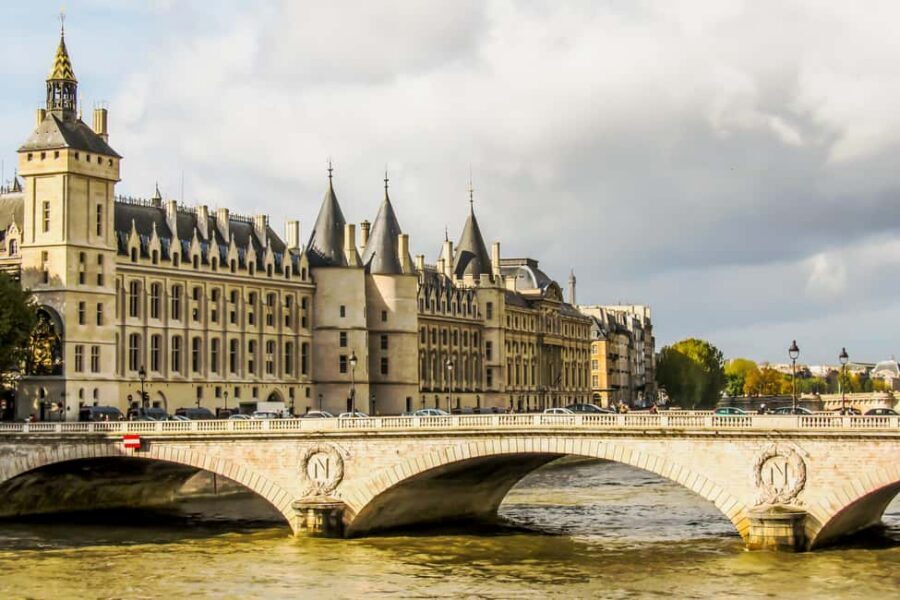
The highlights are a smart mix: ancient Paris meets France’s modern national story. One moment you’re hearing about an ancient Roman Arena—an older relic that reminds you Paris didn’t start as the Paris you know. Then the tour shifts to the Pantheon, one of the most striking monuments in the city, tied to France’s great figures.
Why that pairing works: it helps you read the city like a timeline. If you’ve ever felt like Paris history is just dates on a museum placard, a route like this gives you something different. You ride to each site and absorb the logic of the story in the order the city reveals it—Roman-era footprints, then later national identity, then the layers that sit on top.
You’ll also get a chance to see historic walls from past ages. That’s the kind of detail that can be easy to miss when you’re walking fast or following only the main sights. Here, the wall becomes more than background. It turns into a clue about how Paris protected itself, expanded, and reused space over time.
One practical note: the Pantheon area can feel busy on foot, but biking at a controlled pace lets you keep momentum without losing sight of what matters. If you’re comfortable cycling in a city, you’ll get more out of these stops than you would by trying to cram them into a self-guided afternoon.
The Quirky Stops: Dali’s Sundial and a Cannonball in a Wall
Paris has a serious side and a silly side, and this tour makes room for both. The tour description calls out a forgotten Salvador Dali Sundial, plus a story about a misplaced cannonball in the wall of a mansion. These details might sound random at first, but that’s exactly why they’re fun: they’re the kind of clues you won’t find unless someone knows where to look.
Here’s what I think makes these oddball stops valuable. They break the usual pattern of monument-to-monument. Instead of treating the city like a checklist, you start noticing how objects and architectural details carry stories—sometimes deliberate, sometimes accidental. A sundial isn’t just art; it’s a hint about how people marked time and staged ideas. A cannonball in a wall isn’t just a cool photo; it’s a physical trace of conflict and change.
These moments are also great for groups that don’t all want the same thing. If one person enjoys art and symbolism and another likes military history or architecture, these kinds of stops can satisfy both. The guide’s job is to connect it back to Paris’s larger story, not just toss out trivia.
If you’re the type who likes asking why something exists where it does, you’ll likely enjoy this part. The guides associated with this outfit have been praised for answering questions and keeping the story lively—Harrison and Aaron show up in the guide feedback for being clear and enthusiastic—so you’ll get more than a quick description.
Bike Comfort, Road Reality, and the Pace You Should Plan For
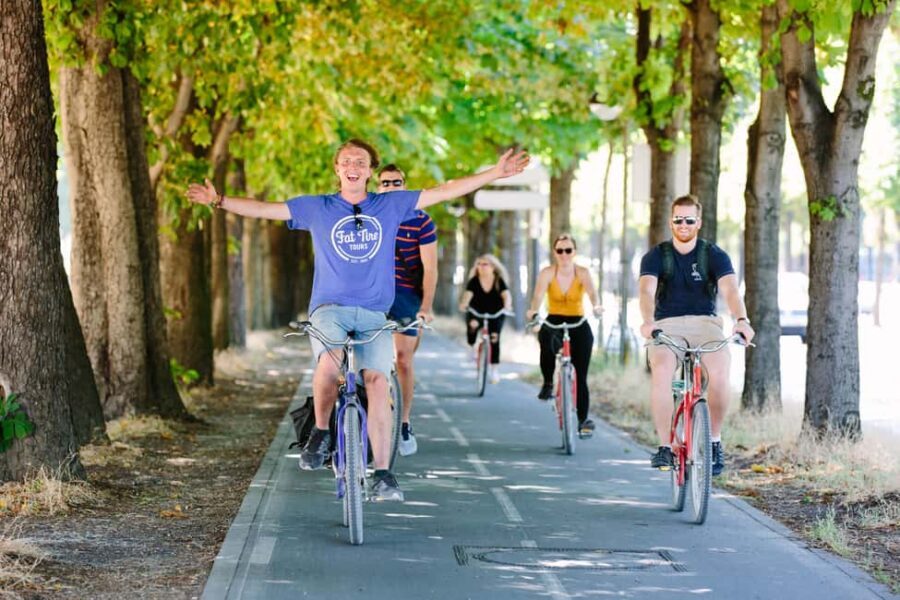
Let’s talk about the part that affects your comfort most: riding. This tour is explicitly for bike riders who are experienced riding in a city. You’ll occasionally be on the road with cars, so you need to feel confident navigating streets and keeping your balance even when traffic is around.
The good news is the distance is reasonable for an experienced cyclist: about 12 km / 7.5 miles. That’s long enough to see multiple neighborhoods and meaningful sites, but not so far that the day turns into a grind. There are also small hills, so if your legs are sensitive, consider arriving with a bit of stamina.
What’s included helps too: bike and helmet are part of the package. No hunting for rentals, no guessing if the bike fits. A helmet also saves you from the unglamorous, end-of-trip headache of dealing with one of Paris’s bike-safety realities.
Weather matters, and they run rain or shine. That means you should dress for damp streets and plan for a cooler ride if skies turn. If you know you hate being wet or you get chilled easily, this is the one factor that can change the whole experience. Still, if you dress properly, biking through rain can feel like a different (and quieter) Paris.
If you’re traveling with the wrong expectations—like thinking this will be fully car-free—this is where you might feel disappointed. But if you’re an experienced city cyclist, it’s a big advantage. You’ll move with the city instead of fighting it.
Meeting Near Dupleix and What to Bring for a Smooth Start
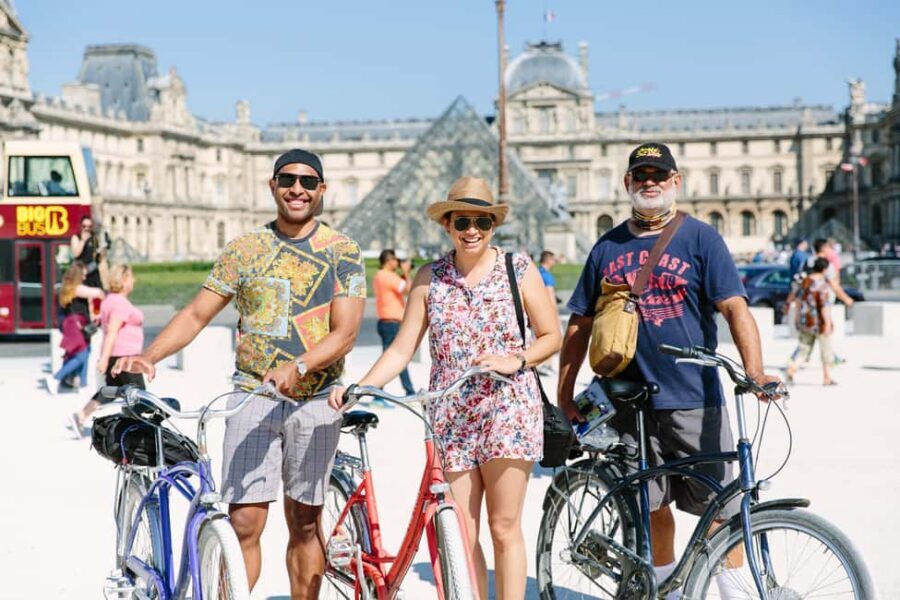
The closest Metro station is Dupleix on line 6. Getting to Dupleix is usually straightforward if you’re already riding the Métro for other plans, and it keeps you from having to add extra transit steps just to start the tour.
The tour begins at an office near the Eiffel Tower. That’s useful because it puts you in the center of the action and simplifies timing. You can plan this as a morning or early afternoon activity without needing a long commute across town.
Bring the basics they request: passport or ID card and a credit card, plus weather-appropriate clothing. Even if you’re not planning to buy anything, it’s smart to have those items. For clothing, your best friend is comfort and control: breathable layers for warm days, something with a bit of protection for wind or rain. Bikes move fast enough that sun and shade changes feel quicker than they do when you walk.
And because it’s rain or shine, think about practical additions like a light jacket that blocks wind. If you’re wearing gloves or have cycling gear you like, this is also the kind of tour where that extra comfort pays off.
If you want the tour to feel smooth from minute one, arrive ready to ride: water is a good idea, and make sure you’ve eaten something so the hills don’t turn into an attitude problem. The goal is to enjoy the stories, not negotiate with your legs.
You can also read our reviews of more private tours in Paris




Value Check: Is $294 Worth It?
At $294 per person for a private guided bike tour, this isn’t the cheapest way to see Paris. You’re paying for three things that usually cost extra when you travel: privacy, a live English-speaking guide, and the included bike setup.
So what does that value mean in real life?
First, private time with a guide usually leads to better pacing. You can ask questions, get explanations in the moment, and keep the tour aligned with your interests—especially when the stops are about stories like Dali’s sundial and that cannonball detail. Second, you’re not renting equipment. Bike and helmet are included, which offsets part of the cost you’d have anyway if you tried to assemble a similar day on your own.
Third, the route covers the kind of combination that can be hard to DIY. You get Roman-era remnants, France’s national monument scale, and neighborhood context in one ride. If you’re only walking, you might not connect all those layers in the same day without spending more time moving around.
The biggest value question is fit. If you’re comfortable riding in a city and you enjoy history told with personality, the $294 feels more like paying for access and expertise. If you’re not a confident bike rider, the tour can become stressful fast—then it stops being good value, even if it checks every box on paper.
Who Should Book This Private Bike Tour
This is best for you if:
- You’re an experienced city cyclist and don’t mind occasional street segments with cars
- You want a guided story thread that runs from the Roman past to monuments like the Pantheon
- You like Paris details that aren’t just the postcard version, including quirky points like the Salvador Dali sundial
- You prefer a private group format where the guide can match your pace
It may not be the best fit if:
- You’re not comfortable riding on busy streets
- You’re traveling with young kids; the tour doesn’t recommend children under 12
- You hate weather changes, because the tour runs rain or shine
If you’re traveling with friends who all have a similar curiosity level about history and architecture, a private format makes the day feel personal instead of rushed.
Should You Book the Private Secrets of Paris Bike Tour?
I’d book this if you want Paris history told in motion. The mix of a Roman-era relic, the Pantheon, historic walls, and oddball stories like a Dali sundial and a cannonball detail is the kind of combination that makes a city feel less like a scrapbook and more like a living timeline.
Skip it (or choose a different style of tour) if you’re hoping for an easy, fully traffic-free ride or if you’re a casual cyclist who would rather not deal with small hills. The tour is designed for confident riders. When that’s true, it’s a fun, efficient way to cover about 12 km while learning why the sites matter.
If you do book, I’d show up with comfortable clothes, plan around weather, and go in ready to ask questions. With guides like Harrison and Aaron noted for clear communication and enthusiasm, you’ll get more than a list of sights.
FAQ
How long is the Private Secrets of Paris Bike Tour?
The tour lasts about 3 hours (and the tour description also refers to a 3.5-hour guided experience).
Is this tour private?
Yes. It’s listed as a private group with a live guide.
What language is the tour guide?
The guide leads the tour in English.
What’s included with the ticket price?
Your private guided bike tour includes use of a bike and a helmet.
Where do I meet the guide?
The closest Metro station is Dupleix on line 6, and the meeting is near the Eiffel Tower area.
Do I need to be an experienced cyclist?
Yes. The tour is for bike riders experienced riding in a city, with occasional road segments where cars may be present.
Is this tour suitable for children?
They do not recommend children under age 12.
What should I bring?
Bring your passport or ID card, a credit card, and weather-appropriate clothing.
Does the tour run in bad weather, and can I cancel?
It operates rain or shine, and there is free cancellation up to 24 hours in advance for a full refund. The tour also offers a reserve now, pay later option.