REVIEW · PARIS
Le Marais District & Jewish Quarter – Exclusive Guided Walking Tour
Book on Viator →Operated by Babylon Tours Paris · Bookable on Viator
Marais has two stories, side by side. This walk moves through Le Marais’ royal-era streets and then pivots into the Jewish Quarter with real context, not just postcard stops. I like the way guides such as Eden and Hugo connect what you see to what happened next, and I also like how quickly the tour helps you understand why these blocks matter.
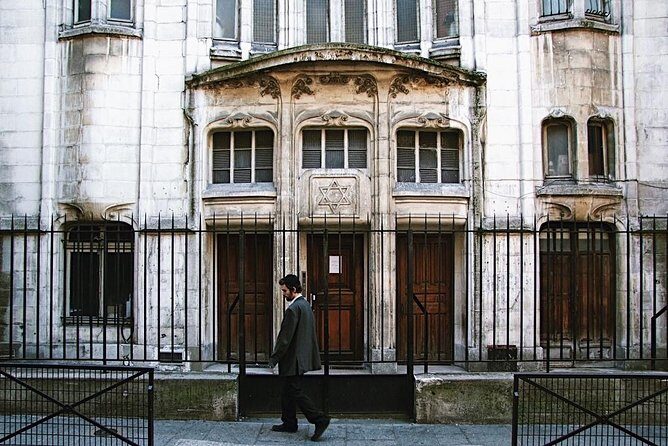
The only real downside is that you won’t be going inside synagogues, since access is restricted for security reasons.
In This Review
- What You Get in 2.5 Hours (And What It Costs)
- Quick Reality Check: This Is a Walking Tour With Smart Pacing
- Getting Oriented in the Marais: Where the City’s Center Became a District
- Saint-Paul-Saint-Louis and the Jesuit Connection: Paris Architecture in Conversation
- Hôtel de Sully Courtyard: Renaissance With a Baroque Twist
- Place des Vosges: The Classic Square That Still Feels Human
- Rue des Francs Bourgeois: Shops, Style, and the Meaning Behind the Street
- Musée Carnavalet Area: The Story Comes With Extra Ticket Options
- Rue des Rosiers: The Jewish Quarter’s Main Street Energy
- Jardin des Rosiers – Joseph-Migneret: A Quiet Stop With a Heavy Story
- Centre Pompidou (Outside View): Modern Paris Joins the Same Walk
- Hôtel de Ville and Saint-Gervais-Saint-Protais: Old Government Meets Baroque Flair
- Guides Make or Break It: How the Best Tours Feel
- Who This Tour Suits Best
- Should You Book This Le Marais and Jewish Quarter Walking Tour?
- FAQ
- What is the duration of the Le Marais and Jewish Quarter walking tour?
- Is the tour in English?
- Does the tour include entry into synagogues?
- Are there any paid attractions included in the tour price?
- What should I bring or prepare for a rain-or-shine tour?
- Where does the tour start and where does it end?
What You Get in 2.5 Hours (And What It Costs)

At $59.69 per person for about 2 hours 30 minutes, this is priced like a serious orientation tour. You’re paying mostly for the guide’s ability to stitch together architecture, neighborhoods, and community history into something you can remember the next day. And you get a format that works: a tight route with stops that are mostly outside, so you spend your time actually seeing Paris instead of waiting in lines.
A practical note: ticketed museum entry is not included for some highlights. The tour does the storytelling around key sights, and then you choose if you want to pay extra for places like Musée Carnavalet and Centre Pompidou.
If you’re coming around peak times, plan ahead. The experience is commonly booked about 40 days in advance, and that usually means it’s a popular way to tackle the Marais without getting lost or missing the key turns.
Quick Reality Check: This Is a Walking Tour With Smart Pacing
This is a rain-or-shine route on foot, built for moderate physical fitness. That means you should wear comfortable shoes and expect regular walking time between stops. There are also some security and access limits: some places can’t be entered, and the tour does not include synagogue visits.
One thing I really like about this style of tour is the pacing. You don’t linger so long that you feel stuck, but you also don’t rush so fast you miss the details. The stops are short on purpose, which helps if you want a second wander afterward on your own.
Bring the basics: water, an umbrella if the forecast looks iffy, and avoid large bags or suitcases. If you’re traveling with a phone, keep it handy—the provider requires a mobile phone number with country code, which helps day-of coordination.
You can also read our reviews of more walking tours in Paris



Getting Oriented in the Marais: Where the City’s Center Became a District
The tour starts by framing the Marais as a former edge of the city that later became central. That simple idea changes how you see the place. Instead of treating the streets as just pretty stone corridors, you understand them as a neighborhood that kept evolving—politically, socially, and physically.
You begin with an overview of the area’s layout and key monuments, then you start walking through the heart of the district. This early context is what makes the rest of the tour click. By the time you reach major squares and churches, you’re not just spotting buildings—you’re reading the neighborhood like a timeline.
Saint-Paul-Saint-Louis and the Jesuit Connection: Paris Architecture in Conversation
One of the first major stops is Église Saint-Paul-Saint-Louis, a 17th-century church associated with the Jesuits. The tour highlights that its design was inspired by the Gesù church in Rome, which is a nice reminder that Paris didn’t develop in isolation. Styles traveled, ideas traveled, and architects copied and adapted what worked elsewhere.
Even if churches aren’t your main interest, this stop is useful because it sets the architectural vocabulary you’ll see later. Once you notice how designers mix form and function—how they borrow and refashion—you’ll start seeing the Marais differently.
Hôtel de Sully Courtyard: Renaissance With a Baroque Twist
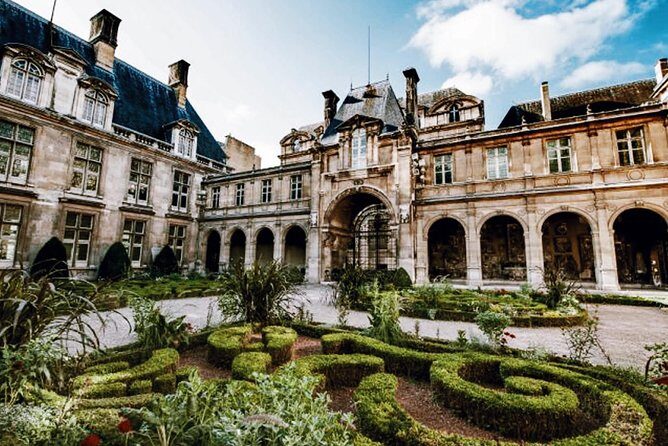
Next comes the Cour et jardin de l’Hôtel de Sully, tied to a building constructed between 1624 and 1630. The tour points out the Renaissance base with Baroque elements, designed by Jean Androuet du Cerceau and Yves Boiret.
This stop is a good example of why a guided walk matters. From street level, you might see the general shape and assume it’s just a classic mansion. But with the guide’s framing, you learn what to look for: the style shift, the design intent, and why these elite residences shaped the neighborhood’s identity.
Place des Vosges: The Classic Square That Still Feels Human
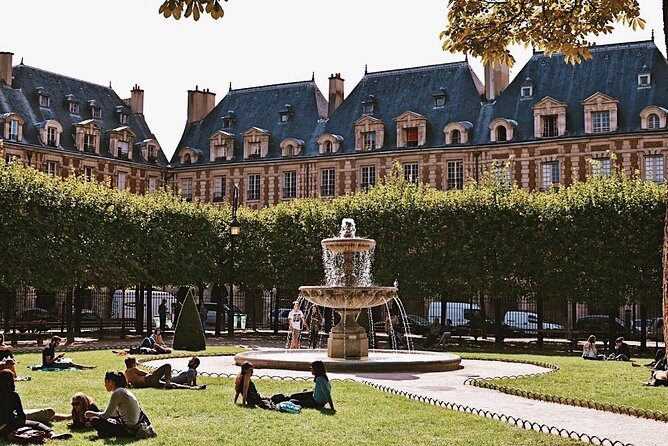
You’ll then reach Place des Vosges, described as the oldest planned square in Paris. This is one of those spots that can be crowded with people holding phones up, but it still works because the space itself is designed. It helps you “get” the Marais.
What I like about making Place des Vosges a core stop is timing. You see it after the church and mansion context, so you can connect it to who lived nearby and how the Marais functioned as a power center. The tour also nudges you to look past the postcard views and notice the planning logic that makes the square feel cohesive.
You can also read our reviews of more guided tours in Paris





Rue des Francs Bourgeois: Shops, Style, and the Meaning Behind the Street
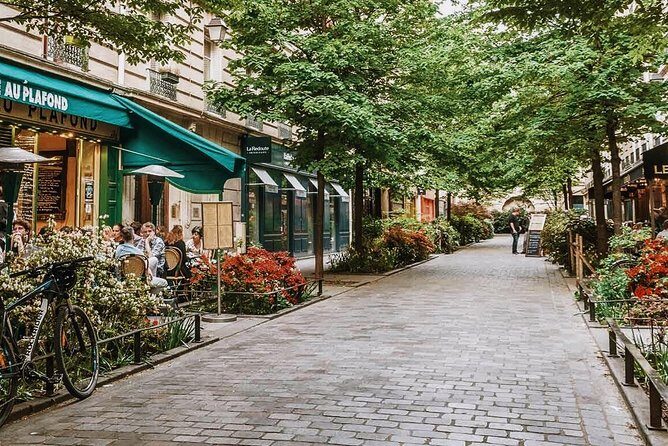
From the formal calm of Place des Vosges, the walk shifts to Rue des Francs Bourgeois, known for fashion boutiques and a fashionable feel. This is where the Marais shows its modern face—but the tour keeps it grounded by tying the shopping street back to the neighborhood’s older mansion-lined fabric.
If you like browsing, this is a good time. If shopping isn’t your thing, still pause mentally here: street design and street identity often survive long after the original buildings change.
Musée Carnavalet Area: The Story Comes With Extra Ticket Options
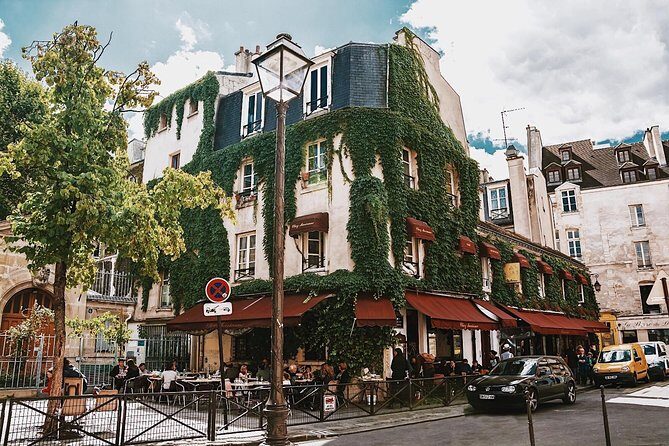
You’ll pass by the Hôtel Carnavalet and the Musée Carnavalet (Histoire de Paris) area. The tour notes that the museum highlights Paris’ past, and it’s connected to an important example of Renaissance architecture in the city.
Here’s the practical trade-off: the museum entry is not included. The tour gives you enough context to decide if you want to add the visit. My advice is simple:
- If it’s your first trip to Paris and you like city history, add it.
- If museums aren’t your thing, enjoy the exterior and keep walking. You won’t feel like you skipped the whole experience.
This approach is one of the best parts of this tour format. You get the story either way, and you control the cost.
Rue des Rosiers: The Jewish Quarter’s Main Street Energy
Next you move into the Jewish Quarter area with La Rue des Rosiers, a small street that sits at the center of the neighborhood. This section is where the tour’s theme becomes personal and specific.
You’ll get a sense of how the Jewish community helped shape the Marais through the 18th and 19th centuries, and you’ll walk past the everyday spaces—like bakeries and shops—that make the quarter feel lived-in rather than frozen in time.
This is also where the guide’s pacing really helps. You’re not just hearing dates; you’re walking through the neighborhood that those histories impacted. That’s a big part of why this tour works for first-timers.
Jardin des Rosiers – Joseph-Migneret: A Quiet Stop With a Heavy Story
The walk then includes the Jardin des Rosiers, tucked between buildings and hidden behind shops. The tour explains it’s named for Joseph Migneret, a school principal who helped students during World War II by hiding them, and who was later arrested and killed.
This garden is short in time but long in meaning. If you’ve ever wondered why the Marais feels so layered, this is a key reason: memory lives in small places here. You’ll want to slow down for a minute, even if the tour keeps moving, because the story is the point.
Centre Pompidou (Outside View): Modern Paris Joins the Same Walk
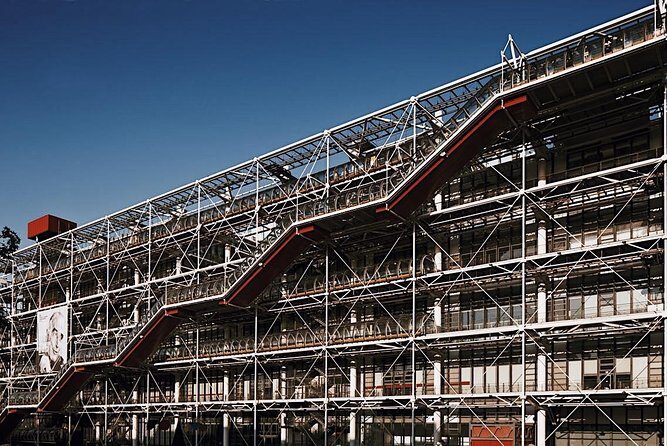
Later in the route, you’ll head toward the Centre Pompidou, known for its high-tech style and instantly recognizable exterior. The tour also ties the project idea to cultural policy, noting that it was meant to gather different forms of art and literature in one place as part of ideas from France’s first Minister of Cultural Affairs.
Important for planning: museum entry is not included. You’ll get the exterior and the context, which is perfect if you want modern contrast without spending extra time and money inside.
If you do want to enter, you can add it after the tour—but even from the outside, Pompidou changes your view of Paris. It’s a reminder that the Marais isn’t just old stone. It’s also a neighborhood connected to the way Paris thinks about culture now.
Hôtel de Ville and Saint-Gervais-Saint-Protais: Old Government Meets Baroque Flair
The tour ends at Hôtel de Ville, the Paris city hall. You’re told it has housed the municipality since 1357, which is a staggering timeline for a city that keeps redeveloping itself.
Right nearby, you get a glimpse of Église Saint-Gervais-Saint-Protais, described as the first example of French Baroque style in Paris. The tour also notes it is now connected with the Monastic Fraternities of Jerusalem, which gives the stop a modern purpose beyond tourism.
This ending is smart. You close with civic Paris and a standout church style—two places you’ll remember even after the walk ends.
Guides Make or Break It: How the Best Tours Feel
One reason this experience earns such high marks is guide delivery. Names you may hear in English-speaking groups include François, Adrian, Christine, Agustina/Agustina, Alasdair, and François V. The common thread is clarity plus energy: the best guides explain the architecture and the community history in a way that stays easy to follow.
I’d also pay attention to pacing and interaction. Some guides are known for answering questions well, using humor, and mixing storylines—like connecting Marais history to broader context—without turning the walk into a lecture.
If your goal is to leave with a map in your head (not just photos on your phone), this is the kind of guided route that helps.
Who This Tour Suits Best
I think this tour fits you if:
- You want a first-pass orientation to the Marais and the Jewish Quarter.
- You care about how neighborhoods evolve—politics, architecture, and community life in the same streets.
- You like guided context more than wandering alone with an app.
It might not fit as well if you came primarily for guaranteed interior access. Synagogue entry is not part of the tour, and some major museums are outside-only or ticketed separately. Still, you’ll see a lot—and the context is designed to make it meaningful.
Should You Book This Le Marais and Jewish Quarter Walking Tour?
If you’re short on time and you want to understand why Le Marais is more than pretty buildings, I’d book it. The value is in the story order: the tour helps you connect major squares like Place des Vosges and major civic landmarks like Hôtel de Ville back to the neighborhood’s Jewish history along Rue des Rosiers and the remembrance at Jardin des Rosiers – Joseph-Migneret.
Book it especially if you prefer a guide to translate architecture and neighborhood history into clear street-level meaning. Just go in knowing you’ll mostly be viewing sites from the outside, and that synagogues aren’t included.
FAQ
What is the duration of the Le Marais and Jewish Quarter walking tour?
The tour runs for about 2 hours 30 minutes.
Is the tour in English?
Yes, it is offered in English.
Does the tour include entry into synagogues?
No. The tour does not include entry into any synagogues because access is restricted for security reasons.
Are there any paid attractions included in the tour price?
Some key stops have admission tickets free, but others are not included. Musée Carnavalet and Centre Pompidou are listed as admission not included.
What should I bring or prepare for a rain-or-shine tour?
Wear comfortable shoes and dress appropriately for the weather. The tour runs in all weather conditions, so bring an umbrella if rain is likely.
Where does the tour start and where does it end?
It starts at Saint-Paul, 75004 Paris and ends in Le Marais, Paris.