REVIEW · PARIS
Paris Off the Beaten Path Street Art Walking Tour
Book on Viator →Operated by Meeting the French · Bookable on Viator
Graffiti has a story in Belleville. This tour is interesting because you trade museum halls for street-level art you can actually reach, and the walk is built around artist stories—from Edith Piaf’s Belleville roots to why the 1980s turned this area into an art hub. I also love the relaxed pace and the way you’re encouraged to form your own opinion on what you see. One consideration: with a 2-hour format and a price around $96, you’ll want to be the type who enjoys walking and noticing details, not just taking photos.
You’ll start in the Belleville district and move along small streets where urban art pops up on building sides. The guide helps you connect the art to place—why certain neighborhoods became studios, what changed when rents shifted, and how different artists express everything from funny to political.
In This Review
- Key highlights worth your attention
- Why Belleville Works When You’re Museumed Out
- The Start Point: Finding 130 Bd de Belleville Like a Local
- What the 2-Hour Walk Feels Like on the Ground
- Belleville Art 101: Murals, Mosaics, and Messages
- The Piaf Connection You’ll Actually Remember
- Spotting the Big Names: Jerome Ménager and Space Invader
- Your Guide Makes or Breaks It (So Choose Your Questions)
- Pace, Footwear, and Getting the Most Out of Small Stops
- Value for Money: Is $96 for Two Hours Fair?
- Weather and Family-Friendly Reality Check
- Should You Book This Street Art Walk?
- FAQ
- What time does the Paris Off the Beaten Path Street Art Walking Tour start?
- Where is the meeting point for the tour?
- How long is the tour?
- Is the tour offered in English?
- How many people are in a group?
- Will the tour run in bad weather?
- Do children need to be with an adult?
- Do I get a mobile ticket?
- What if I need to cancel?
- What if the tour is canceled due to minimum travelers?
Key highlights worth your attention
- Belleville district: a real neighborhood with Piaf-era roots and a later artist migration
- Small group (max 8): easier questions, more time at each artwork
- Guides add context: you’re not just spotting art, you’re learning how it got there
- Street art variety: from murals to mosaics, with different styles and messages
- Leisurely walk: good for families who want something lighter than museums
- You might spot artists at work: the area can feel active, not staged
Why Belleville Works When You’re Museumed Out
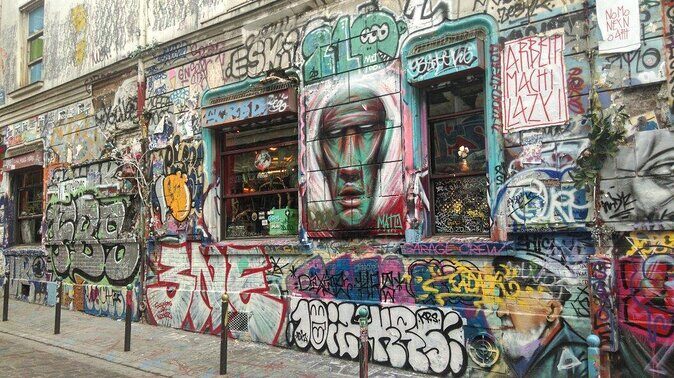
Paris can feel like a long line of masterpieces. This tour gives you a different kind of art education: the kind pasted, painted, tiled, and argued about right on the street.
Belleville is a smart choice because it’s not just “another pretty part of Paris.” It’s tied to specific cultural shifts. Edith Piaf grew up here, and that matters because the neighborhood’s identity isn’t new—it’s been shaping performers and storytellers for a long time. Then the story moves into the 1980s, when many musicians and artists moved in because rents were lower. Former industrial buildings turned into working spaces. That’s how Belleville became a practical launchpad for urban art—artists weren’t just visiting; they were living and building their creative world there.
And yes, it’s also kid-friendly in the best way. Museums can be exhausting for younger people. A street art walk gives them color, humor, surprise, and the fun challenge of “What do you think this means?”
You can also read our reviews of more walking tours in Paris



The Start Point: Finding 130 Bd de Belleville Like a Local
Your tour meets at 130 Bd de Belleville, 75020 Paris and ends back at the same place. The start time is 10:00 am, and the walk runs about 2 hours.
This meeting setup is convenient because you’re not committing to a big cross-town pickup. You can plan your morning like a grown-up: arrive early enough to get your bearings, then enjoy the walk without wondering how you’ll link up with the rest of the day.
It’s also offered in English, and you’ll receive a mobile ticket, which cuts down on last-minute printing or scramble-scanning. If you’re traveling with family, this simple start/end point is a big help.
What the 2-Hour Walk Feels Like on the Ground
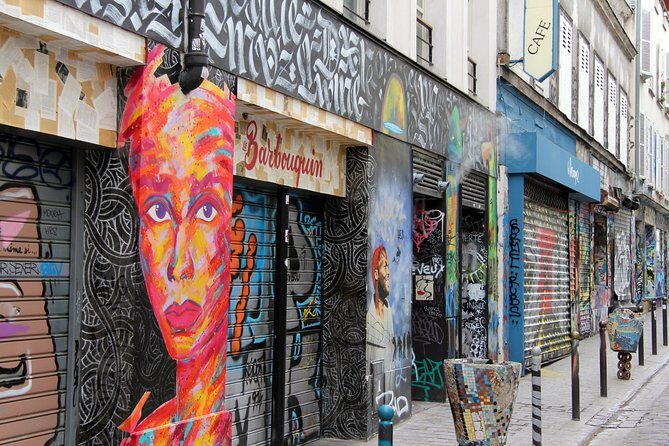
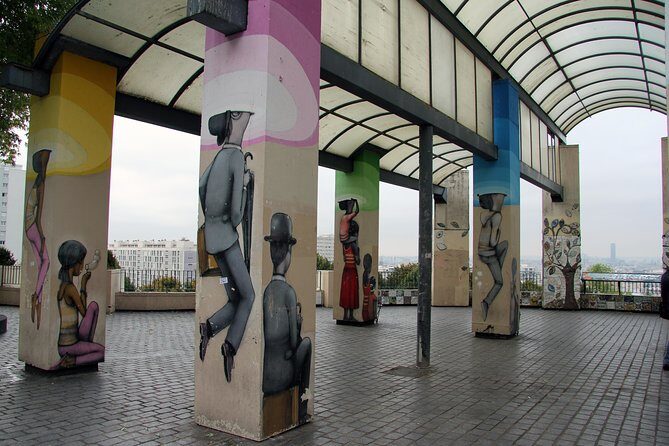
This isn’t a “power walk” tour. It’s leisurely, with time to stop and look. That’s important because street art rewards attention. If you’re racing through, you miss the details that make each piece worth talking about—composition, lettering, color choices, and the tiny clues that connect the art to the neighborhood.
The guide steers you toward the right spots so you’re not left squinting at walls like it’s a scavenger hunt. And the tour encourages conversation. You’re invited to share how the pieces land with you, whether you see them as art or as unwanted disruption.
That last part matters. Street art often triggers strong opinions, and this tour treats that reaction as part of the experience. It’s not about learning a “correct” viewpoint. It’s about learning context so your opinion has legs.
Belleville Art 101: Murals, Mosaics, and Messages
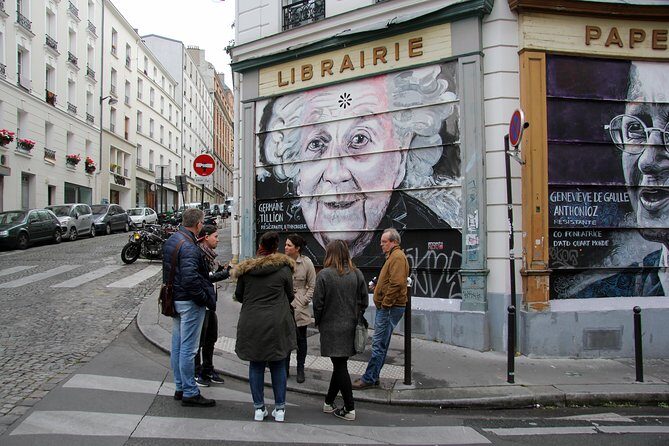
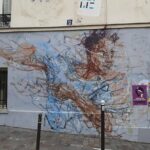
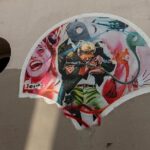
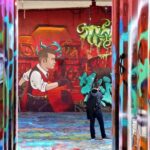
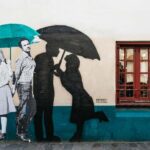
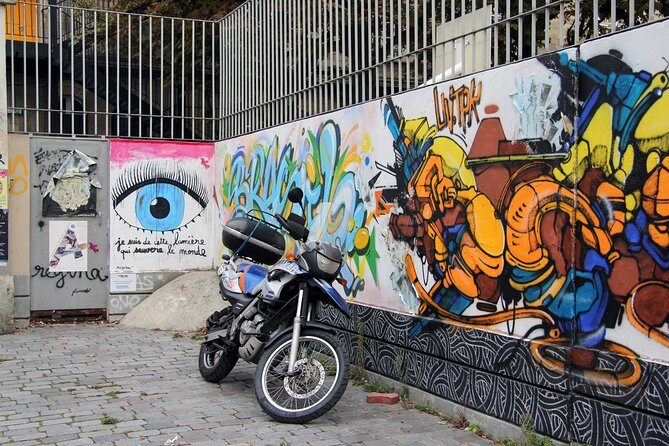
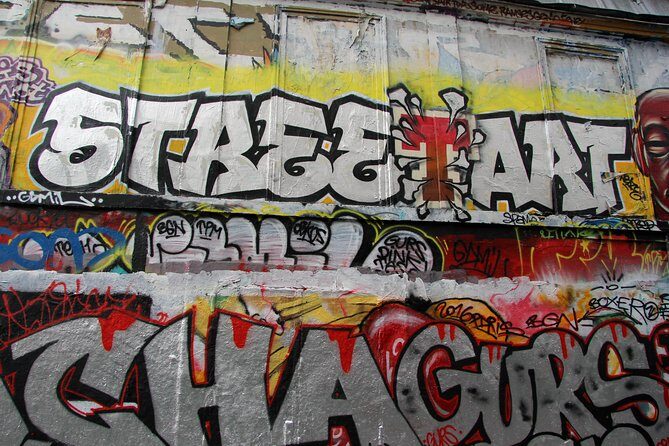
You’re going to see a mix of styles, and the variety is part of the value. Some pieces aim for beauty. Some go funny. Some are openly political. When you only see one style, it’s easy to treat street art as a single genre. When you see multiple approaches in one walk, it becomes clearer that street art is closer to public conversation than to a single art movement.
You’ll learn the stories behind specific works, which usually means two things:
1) who made them and why that person worked in that style
2) how the neighborhood shaped the opportunity and the audience
The walk centers on the Belleville area as part of Paris’ urban art scene. You’ll also hear about the shift from industrial spaces to creative studios—because artists don’t just choose walls. They need places to work, practice, and build reputations.
If you like art that feels rooted in real life (not sealed behind glass), this format tends to click quickly.
The Piaf Connection You’ll Actually Remember
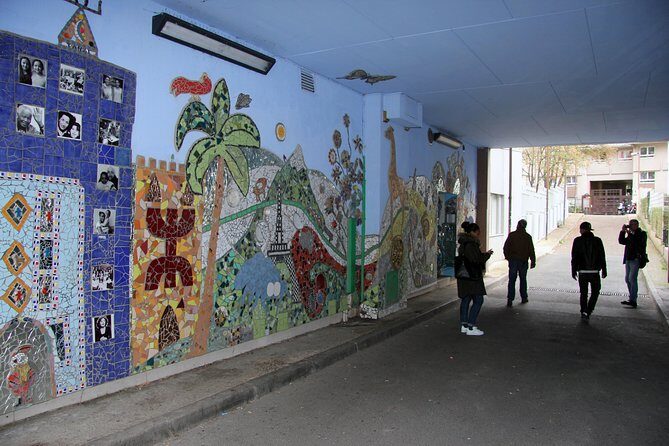
One of the tour’s strengths is how it links art to recognizable cultural history. Edith Piaf is the anchor. The guide connects her early life in Belleville to the idea that this neighborhood has long been a stage for expression.
Then the tour stretches that thread forward into the 1980s. Lower rents pulled in artists and musicians. Industrial spaces became studios. Belleville turned into an artist enclave, and urban art flourished because it belonged to the daily environment, not just to galleries.
This is the difference between “cool street art facts” and an experience you can tell friends about later. You leave with a story for why Belleville looks the way it does, not just a list of sites.
You can also read our reviews of more tours and experiences in Paris


Spotting the Big Names: Jerome Ménager and Space Invader
You’ll see works attributed to well-known street art voices. Two examples mentioned in the experience are:
- Jérôme Ménager and a wall fresco
- Space Invader, especially recognizable mosaic tiles
Even if you don’t know these names ahead of time, that’s fine. The guide’s job is to point you toward what matters and help you connect the look of the work to the artist’s approach. For example, mosaics tend to reward slower looking—your eye has to catch patterns and repetition. Fresco-style work can feel more “painterly,” with larger scenes or layered color.
What I like about including named artists is that it gives you reference points. After the walk, you’ll feel better spotting similar styles elsewhere in Paris, because you’ll recognize the type of “artist language” being used.
Your Guide Makes or Breaks It (So Choose Your Questions)
This tour runs in small groups—up to 8 travelers—so your guide can actually respond to your interest. That also means the experience can feel personal without becoming awkward.
English-speaking guides lead the walk, and some groups have been guided by people such as Olga and Eloise. If you get a guide with strong storytelling energy, the art stops feeling random. The neighborhood history becomes part of the viewing. You’ll also get chances to ask questions without feeling like you’re holding up a bus.
I’d suggest you bring at least one question of your own. For instance: Do you think street art should be temporary, or should it last? Or: What’s the line between creative expression and damage? The guide will frame pieces in a way that helps you answer.
Pace, Footwear, and Getting the Most Out of Small Stops
Because the walk is about seeing details, comfortable shoes matter. The tour runs in all weather conditions, so you should dress for rain, wind, or cold.
This is one of those practical points that can make or ruin the day. If you show up in uncomfortable shoes, your legs will complain before your eyes can enjoy the art.
Plan for the fact that you’ll be stopping often. Street art isn’t something you “cover” in 10 minutes. It needs time. If you’re traveling with kids or teenagers, the steady rhythm can work well: look, learn, talk, move on.
Value for Money: Is $96 for Two Hours Fair?
Price is always the big question. At about $96.13 per person for a roughly 2-hour tour, this isn’t a bargain-basement add-on. You’re paying for a local guide, a focused route, and the small-group experience.
So where does the value show up?
- You get context fast. Instead of wandering and hoping you find the best pieces, you’re guided to meaningful works.
- Small group size helps learning stay interactive.
- You see modern Paris in a concentrated block of time, which can be hard to do on your own without missing things.
If your travel style is “museums only,” you might not feel the spend. But if you want street culture with real explanation—especially if you’re traveling with teens or want a break from big-ticket sights—this tour tends to feel worth it.
A practical note: this tour is often booked about 32 days in advance on average. If your dates are tight, don’t wait until the last minute.
Weather and Family-Friendly Reality Check
This tour operates in all weather conditions, so bring your “Paris weather plan.” If it’s cold or wet, dress accordingly. The walk still happens, and the focus stays on enjoying what’s around you.
Kids must be accompanied by an adult, which makes sense for a walking tour with frequent stops. The upside is that this kind of art tends to engage younger minds quickly. Colorful murals, recognizable styles, and discussion-based viewing can hold attention better than a lecture in a museum.
Also: the tour is designed to be doable for most people, and it’s near public transportation. That makes it easier to fold into a normal day without extra stress.
Should You Book This Street Art Walk?
Book it if you want:
- a modern side of Paris that’s closer to daily life than major museums
- an easy win for families who need something less formal
- a guided route that helps you find and interpret the best street art
- a small-group experience where you can ask questions and react to what you see
Skip it if:
- you hate walking or you only want indoor, ticketed attractions
- you’re primarily chasing famous museum masterpieces and don’t care about street culture
- you’re looking for a long, deep history lecture. This is a focused walk, not a multi-day immersion
If you’re on the fence, here’s the deciding question I use: Do I want Paris that feels lived-in? If yes, this tour belongs on your schedule.
FAQ
What time does the Paris Off the Beaten Path Street Art Walking Tour start?
It starts at 10:00 am.
Where is the meeting point for the tour?
The meeting point is 130 Bd de Belleville, 75020 Paris, France.
How long is the tour?
The tour is about 2 hours.
Is the tour offered in English?
Yes, it’s offered in English.
How many people are in a group?
The tour has a maximum of 8 travelers.
Will the tour run in bad weather?
It operates in all weather conditions, so dress appropriately.
Do children need to be with an adult?
Yes. Children must be accompanied by an adult.
Do I get a mobile ticket?
Yes, it includes a mobile ticket.
What if I need to cancel?
You can cancel for a full refund if you cancel at least 24 hours before the experience’s start time.
What if the tour is canceled due to minimum travelers?
If it’s canceled because the minimum number of travelers isn’t met, you’ll be offered a different date/experience or a full refund.