REVIEW · PARIS
Paris Picasso Museum 2-Hour Private Small-Group Tour
Book on GetYourGuide →Operated by Paris in person private tours · Bookable on GetYourGuide
Picasso clicks fast with the right guide. This 2-hour private tour has you using skip-the-line entry to get into the Picasso Museum quickly, then walking through Picasso’s life and work in a way that actually makes the art feel personal. I especially like two things: the guide’s focus on how the works fit together across Picasso’s career, and the museum setting inside the Hôtel Salé. One thing to consider is the price: at $265 per person for a short visit, it’s best if you really want a guided, high-touch experience rather than casual museum wandering.
You also get more than museum walls. The tour includes a look at Arc de Triomphe and ties in Picasso’s world beyond the canvas, like the idea of his favorite drinking dens and the relationships he had with other artists. In past tours, guides such as Svetlana and Boris have been singled out for making meaning feel clear and for keeping the pace engaging, even for teens.
In This Review
- Key Points You’ll Care About Before You Go
- Picasso Museum in the Hôtel Salé: Why the Setting Matters
- Meeting at 5 Rue de Thorigny and Getting In Smoothly
- What a 2-Hour Private Tour Really Covers (and What It Doesn’t)
- The Picasso Timeline Walk: Early Works to Later Revolutions
- Bull’s Head and the Meaning of Less
- The Barefoot Girl: A Starting Point You Can Feel
- Matisse, Plus the Rivalry Thread Through Picasso
- Outside the Museum: Arc de Triomphe and Napoleon’s Shadow
- Picasso’s Drinking Dens: The Human World Behind the Art
- Language Options: Choose Your Comfort Level
- Price and Value: Is $265 per Person Worth It?
- Who This Tour Suits Best
- Should You Book This Picasso Museum Private Tour?
- FAQ
- What’s the duration of the Paris Picasso Museum private tour?
- Where do we meet for the tour?
- How do you handle long lines at the museum?
- Is museum admission included?
- What’s not included?
- Is this tour private?
- What languages are available?
- Is the tour wheelchair accessible?
- Can I cancel if my plans change?
- Which Picasso works will we see mentioned?
Key Points You’ll Care About Before You Go
- Fast-track museum entry saves you time at a popular stop
- Private guided format keeps questions and pace in your control
- Masterworks on the route include Bull’s Head and The Barefoot Girl
- Artist-to-artist context brings in Matisse and more named influences
- A wider Paris angle includes a stop that connects to Napoleon and Arc de Triomphe
Picasso Museum in the Hôtel Salé: Why the Setting Matters
The Picasso Museum isn’t just a place to see famous paintings. It’s housed in the ornate Hôtel Salé, a 17th-century building that already feels like part of the story. When you enter a museum like this with a guide, the space does half the storytelling for you.
I like that the tour is built around the full arc of Picasso’s career rather than random highlights. That matters because Picasso’s work changes a lot over time. A guide helps you see that change as a pattern, not chaos.
And yes, the works you’ll hear about are the kind you remember later. You’re going to run into Picasso’s Bull’s Head and an early painting like The Barefoot Girl, plus other key pieces tied to major influences such as Matisse. In a short 2-hour window, that selection gives you a solid foundation.
You can also read our reviews of more private tours in Paris



Meeting at 5 Rue de Thorigny and Getting In Smoothly
Your starting point is right in the neighborhood, outside the Picasso Museum at 5 Rue de Thorigny, 75003 Paris. Your guide carries a red canvas tote bag, so you’re not stuck playing guess-the-person.
The practical win here is the fast-track entry. The skip-the-line access uses a separate entrance, which means you’re not paying for the privilege of standing in a crowd. In Paris, that difference is huge. Even if your museum visit is only two hours, you still feel the time you saved.
Because it’s a private group format, the guide can also adjust based on what you want to focus on. If you’re the type who wants symbolism, ask. If you’d rather understand technique and evolution, ask that too.
What a 2-Hour Private Tour Really Covers (and What It Doesn’t)
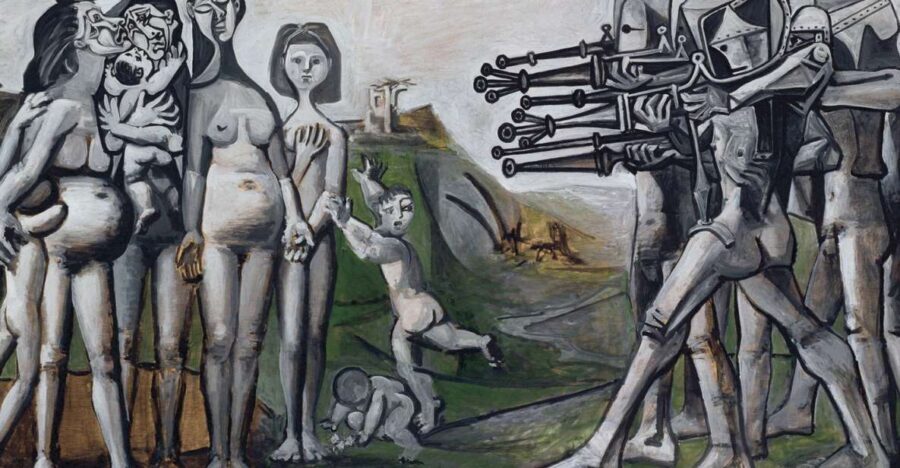
A 2-hour private tour is a sprint, not a slow stroll. The upside is focus: you’ll get the key ideas you need to understand Picasso’s career without burning a half day. The downside is you won’t see every single room in detail.
What you will get is a guided walkthrough that follows different stages of Picasso’s career. The museum covers his full career, and the tour uses that structure to show technical skill across disciplines. You’ll also hear about his formal experimentation and ideological engagement.
This is where having a private guide matters. In a general visit, labels can feel like homework. On this tour, those same works get translated into a human story. That’s why guides like Svetlana have been praised for making the meanings of the works come alive.
The Picasso Timeline Walk: Early Works to Later Revolutions
The tour route is designed around stages, so you’re not just hopping between masterpieces. The guide explains Picasso’s life and work while you move through the museum’s main themes across the years.
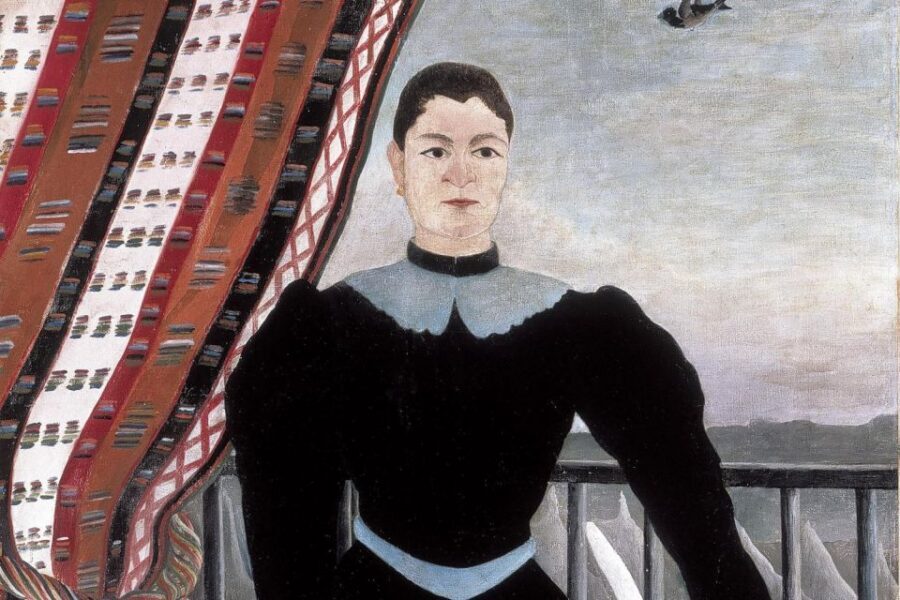
You’ll also spend time with early and influential works. The early painting The Barefoot Girl is specifically called out, and it gives you a baseline for how Picasso’s approach starts and how it shifts later. Then you’re able to compare that to more iconic, sculptural-feeling works like Bull’s Head.
A good part of the experience is how the guide connects ideas across time. Picasso isn’t just making different pictures. He’s testing and resetting what art can do, and the tour frames those changes in a way that makes sense in a limited time.
Bull’s Head and the Meaning of Less
Bull’s Head is one of those works people reference instantly, and the tour uses it for a point. You’ll see it described as a statue connected to Picasso’s Less is More approach.
This is a smart choice for a short guided visit. When you’re trying to understand Picasso quickly, you want one anchor work that represents a larger idea. Bull’s Head works well for that, because it’s easy to remember visually and it also hints at how Picasso thought about form and impact.
On a tour like this, the guide helps you read the work as more than an object. The goal is to show you why the simplicity feels deliberate, and how that connects to Picasso’s broader experiments rather than treating it as a one-off.
You can also read our reviews of more museum experiences in Paris





The Barefoot Girl: A Starting Point You Can Feel
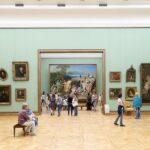
The Barefoot Girl is another key stop. It’s highlighted as one of Picasso’s earliest paintings, which makes it useful for understanding the artist’s evolution. Seeing an early work early in your visit is also psychologically helpful. You get a reference point before you’re hit with more radical ideas later.
What I like about this setup is that it gives you a before-and-after framework. Even if you only catch a few details, the guide’s narrative helps you notice the shift in style and thinking over time.
If you’re going with kids or teens, this kind of structure can be a win too. One review praised how Boris kept things engaging for two teenage sons by building historical context along the way. That’s the kind of pacing that turns a museum from quiet to interesting.
Matisse, Plus the Rivalry Thread Through Picasso
A big part of the tour’s value is the way it includes artist relationships, not just Picasso in a bubble. The highlights specifically bring up Matisse, Dali, and Rousseau.
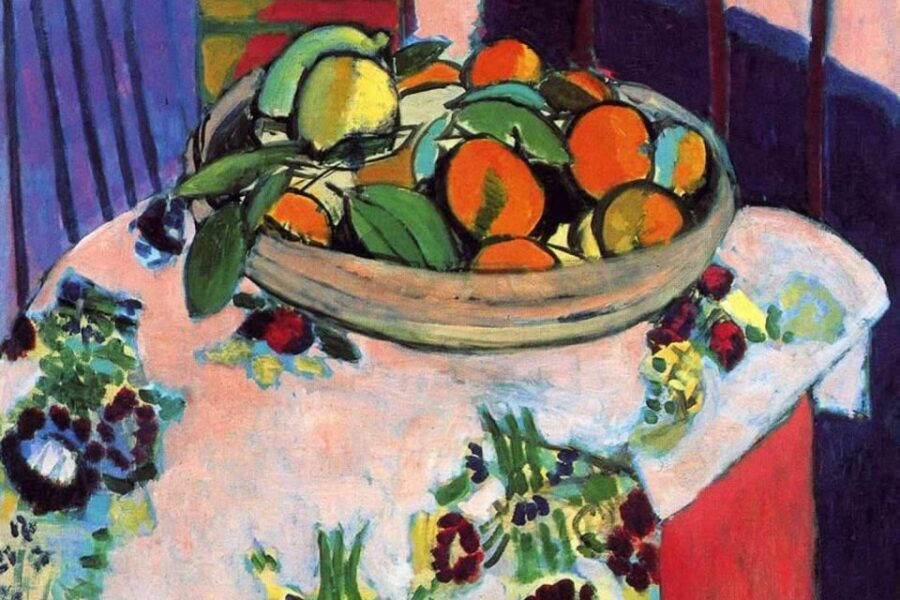
You’ll also hear about Still Life with Oranges, which is listed as an important work by Matisse. It’s framed as Picasso’s greatest influence and rival, which is a strong phrase for a reason: it helps you understand why these weren’t just friendships or coincidences. They were part of an artistic conversation.
This approach is great for people who feel overwhelmed by how many names exist in art history. Instead of listing artists, the guide uses them as threads. The tour tries to explain why these connections matter for how Picasso made choices.
Outside the Museum: Arc de Triomphe and Napoleon’s Shadow
One of the tour’s highlights includes seeing Arc de Triomphe, described as a monolithic monument to Napoleon. That’s not just a random add-on. It helps broaden the trip from art alone into the city’s political and historical identity.
Even if you’re not standing there for long, it gives you a Paris context that sits alongside Picasso’s world. Art doesn’t happen in isolation. Place matters, and the guide’s brief connection between the city and historical narratives can make your museum time feel less abstract.
This is the kind of detail that makes a short tour feel like it actually belongs to Paris, not just a checklist item.
Picasso’s Drinking Dens: The Human World Behind the Art
The tour also talks about Picasso’s favorite drinking dens and more of his off-canvas life. That’s not about teaching you bar trivia. It’s about showing how habits, personality, and social circles can shape an artist’s output and worldview.
For me, these “human world” pieces are what keep museum stories from going stale. When a guide links biographical threads to what you’re looking at, the art stops being only technical and becomes emotional. That’s how you leave with meaning you can carry, not just images you forget.
If you like art history with real people in it, this is a strong match. You get Picasso as a working, evolving figure—someone shaped by relationships, ideologies, and the social scene around him.
Language Options: Choose Your Comfort Level
You can book this tour in several languages: English, French, Croatian, and Serbian. That matters because art interpretation often depends on nuance, and a guide speaking your language can keep things clear.
If you’re traveling with someone who speaks French better than English, this option can make the difference between a good visit and a comfortable one. It also supports a smoother pace, because questions can come naturally.
In practice, language flexibility is one of those “small” details that changes how relaxed you feel once you’re inside.
Price and Value: Is $265 per Person Worth It?
Let’s talk money honestly. At $265 per person for a 2-hour private tour, this is not a bargain option. You’re paying for three things that are hard to replicate on your own: fast-track entry, expert live guidance, and a private small-group setting where the guide can target your attention.
If your goal is quick, structured understanding of Picasso—plus key works and context—then the price starts to look more reasonable. You’re not just buying access to a museum. You’re buying interpretation.
But if you’re the kind of traveler who loves wandering slowly, reading quietly, and building your own storyline, you might feel the time pressure. In that case, you’d likely get more satisfaction with a self-guided visit where you can stay as long as you want.
My practical take: book this if you want clarity in a short time window, or if you know you’ll enjoy art more with a guide turning the lights on.
Who This Tour Suits Best
This tour fits best if you check at least one box:
- You want a private, guided museum experience rather than a general group
- You’re short on time but want a real sense of Picasso’s career
- You care about context, relationships, and meaning—not only facts
- You’re traveling with teens or family members who do better with an engaging guide
It can also work well for art lovers who have seen other museums already and want something more focused. The Picasso Museum is one artist. That focus can be great when someone else helps connect the dots.
Should You Book This Picasso Museum Private Tour?
I’d book it if you value time and interpretation. The fast-track entry helps you avoid the most frustrating part of popular museums, and the private guide format means your questions won’t get squeezed to the back of the group.
It’s also a smart pick if you want to walk away with a clearer picture of Picasso’s evolution. Bull’s Head and The Barefoot Girl are strong anchors, and the relationships thread—especially with Matisse—gives you a way to understand why Picasso changed.
I’d think twice if you’re price-sensitive, or if you’re the type who prefers to read at your own pace without narrative guidance. For everyone else, this is a focused, high-touch way to see the museum and understand the artist without spending half your day in line or in guesswork.
FAQ
What’s the duration of the Paris Picasso Museum private tour?
It lasts 2 hours.
Where do we meet for the tour?
You meet in front of the Picasso Museum at 5 Rue de Thorigny, 75003 Paris.
How do you handle long lines at the museum?
The tour includes skip-the-line entry through a separate entrance.
Is museum admission included?
Yes. Museum admission is included.
What’s not included?
Refreshments are not included.
Is this tour private?
Yes, it’s a private group.
What languages are available?
The live tour guide is available in English, French, Croatian, and Serbian.
Is the tour wheelchair accessible?
Yes, it’s wheelchair accessible.
Can I cancel if my plans change?
You can cancel up to 24 hours in advance for a full refund.
Which Picasso works will we see mentioned?
The tour highlights Picasso’s Bull’s Head and The Barefoot Girl, plus Still Life with Oranges (linked to Matisse).