REVIEW · PARIS
Paris: Private Skip-the-Lines Orsay and Louvre Museum Tour
Book on GetYourGuide →Operated by Tour Travel & More · Bookable on GetYourGuide
Two museums, one smart art plan. This private walk lines up the Musée d’Orsay and the Louvre Museum so you’re not just “seeing” highlights—you’re tracking how art changes across centuries, from late-ancient worlds to the middle of the 1300s. You’ll also get skip-the-line entry tickets at both stops, so your time goes toward art, not ticket-room chaos.
What I really like here is the private format: you move at a pace that fits you, with an expert live guide in Spanish, English, or French. And I love how the tour sets up Orsay first, then carries you right into the Louvre—an easy way to understand why these two collections feel different (even though they’re only a walk apart). If you’re expecting a total walk-past-everything miracle, here’s the one thing to consider: even with skip-the-line entry tickets, you may still face a line to get inside.
In This Review
- Key takeaways before you go
- A 5-hour art sprint that feels organized, not rushed
- Entering Musée d’Orsay: where Impressionism and Post‑Impressionism take the stage
- What you gain from an expert in the room
- Orsay-to-Louvre transfer: the walk that links two art worlds
- Louvre Museum: from ancient civilizations to the Mona Lisa era
- Why the Mona Lisa stops matter (even if you’ve seen it before)
- Big-name artists you’ll hear about
- The skip-the-line reality: less waiting for tickets, maybe some waiting to enter
- How the private format changes what you actually see
- Price and value: what $467 per person is buying
- Timing and meeting points that reduce stress
- Who this tour is best for
- Should you book this Orsay and Louvre private tour?
- FAQ
- How long is the Orsay and Louvre private tour?
- Does this tour include skip-the-line tickets for both museums?
- Where will my guide meet me?
- Which museums are included?
- What languages are available for the live guide?
- Is this tour private?
- Is transportation included?
Key takeaways before you go
- Skip-the-line entry tickets at both museums means less time dealing with queues.
- Orsay-first order helps you connect Impressionism and Post‑Impressionism to what comes after.
- A true private guide experience gives you room to ask questions and steer the focus.
- Louvre coverage across eras takes you from ancient civilizations to works made up through the mid‑14th century.
- Easy pickup options (hotel pickup or meeting at Orsay) reduce stress.
A 5-hour art sprint that feels organized, not rushed
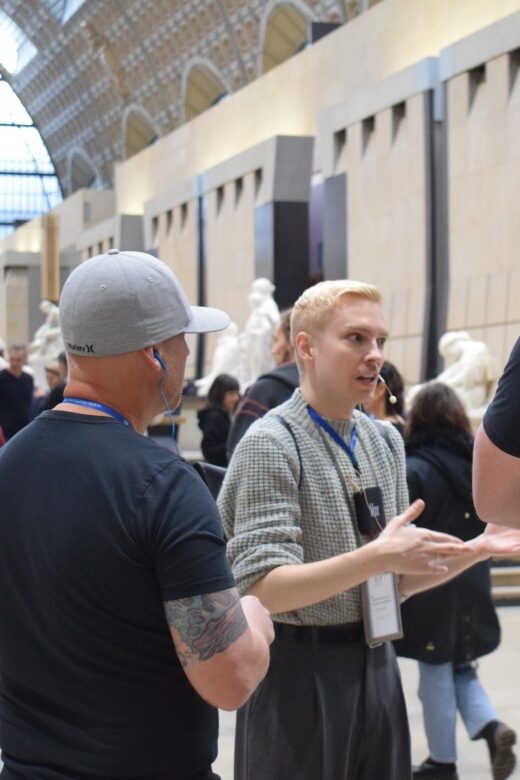
This is a private walking tour built for people who want major hits from Paris’s top museums without turning the day into a logistics project. The total time is 5 hours, and you’ll have a live guide who can speak Spanish, English, or French. Because it’s private, you’re not squeezed into someone else’s schedule.
You start with pickup. The guide meets you either at your centrally located hotel in Paris or in front of the Orsay Museum, depending on what works best for you. Then the tour officially kicks off and stays focused: Orsay first, Louvre second.
There’s also a practical angle to this structure. Both museums are huge. Even if you know what you want to see, picking routes in advance can be hard. A guide helps you choose what matters most and makes it easier to understand what you’re looking at—especially in places where the walls can feel like a never-ending slideshow.
You can also read our reviews of more private tours in Paris



Entering Musée d’Orsay: where Impressionism and Post‑Impressionism take the stage
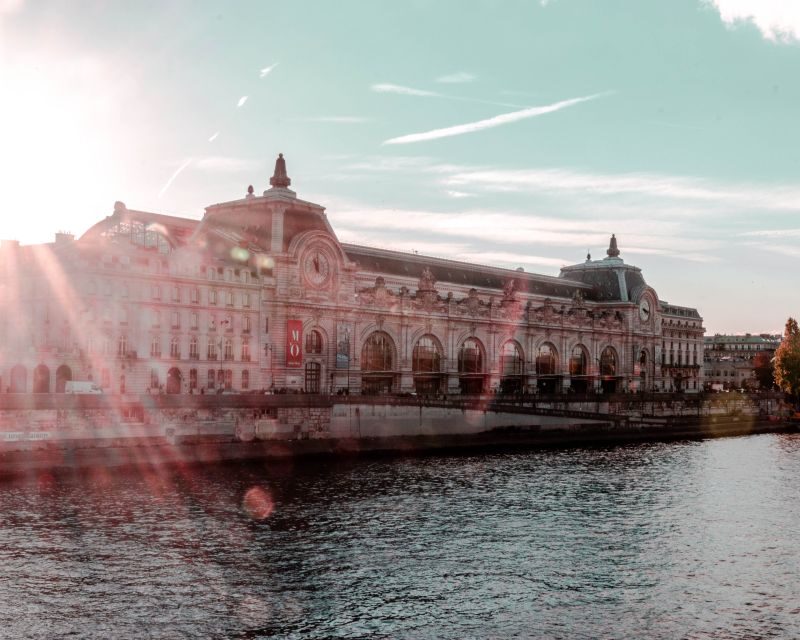
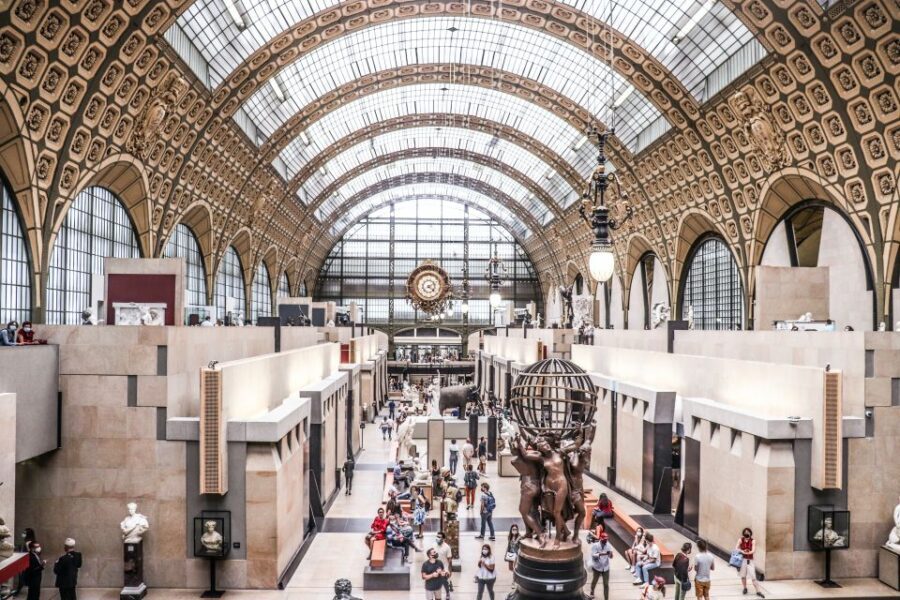
Your first stop is the Musée d’Orsay, right along the Seine in the heart of Paris. This museum specializes in the last decades of classic art history, and it’s famous for having one of the strongest collections of Impressionist and Post‑Impressionist masterpieces in the world.
The tour approach here is simple: stroll through the main halls, then zero in on artists you actually recognize. You’ll spot works by Claude Monet, Gustave Courbet, Edgar Degas, and Édouard Manet. Then the emphasis shifts into the Post‑Impressionist world with Vincent van Gogh and Paul Cézanne in the mix.
Why this order works: Orsay gives you a concentrated emotional “bridge” from earlier realism into the more experimental styles that changed how artists saw light, color, and everyday life. If you’ve ever wondered why Monet feels like a mood rather than just a scene, Orsay is where that feeling clicks.
What you gain from an expert in the room
In a museum like Orsay, it’s easy to stand in front of a famous painting and still miss the point. A good guide turns the visit from “I saw it” into “I understand why it matters.” Here, you’ll learn art and history in a way that ties works together instead of treating each canvas like a standalone postcard.
You’re also in a better spot for questions. Want to know what to look for in a brushstroke? Wondering why Degas looks at movement the way he does? With a private guide, you’re not waiting for a group to move along before you get an answer.
Orsay-to-Louvre transfer: the walk that links two art worlds
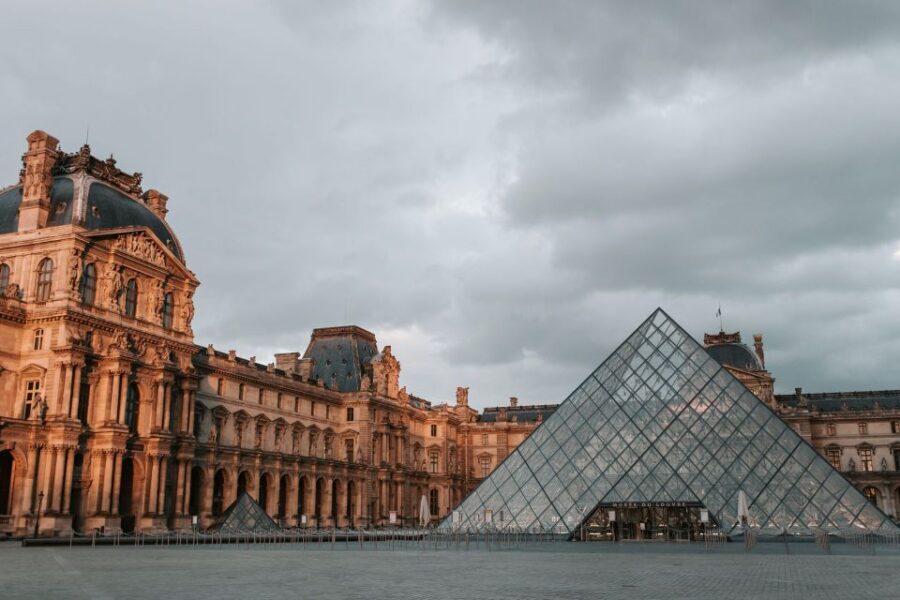
After Orsay, you cross the bridge of the arts to reach the Louvre. That matters more than it sounds. It’s a breathing space between two heavy hitters, and it keeps you from feeling like you’re teleporting inside your own itinerary.
Walking also helps you feel like the day is anchored in Paris rather than locked inside ticketed rooms. You’re outside long enough to reset your eyes and your legs.
And since private transportation is not included, this walking-and-meeting setup is the heart of how the tour stays efficient. You get a guided route through the museums, not a driver shuttling you around the city.
Louvre Museum: from ancient civilizations to the Mona Lisa era

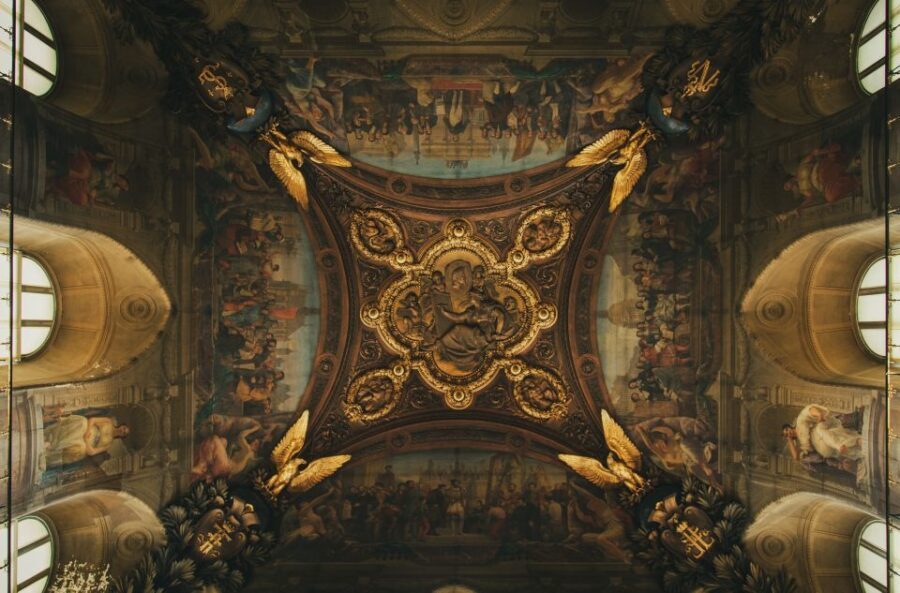
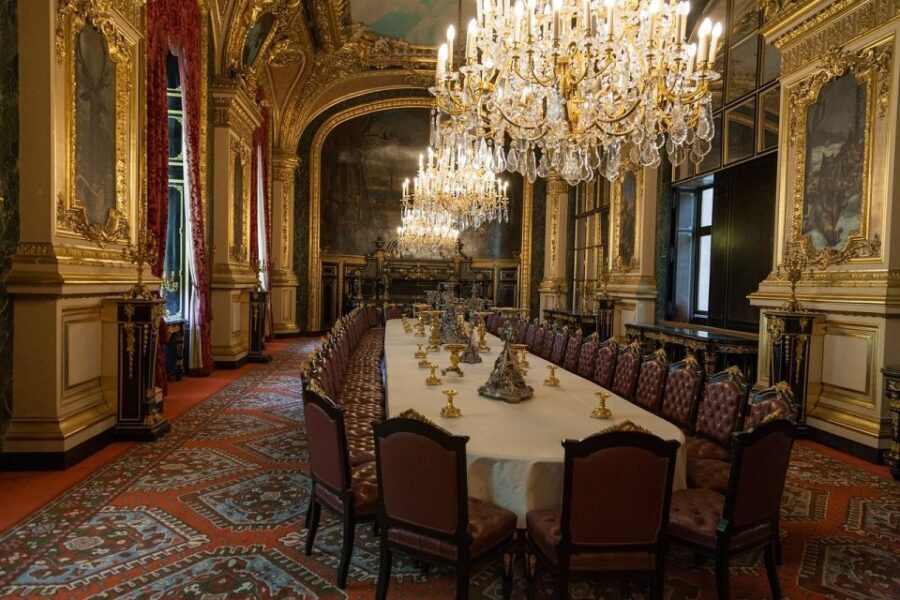
The Louvre Museum is the second stop, and it’s famous for a reason: it’s one of the most visited museums in the world, with an enormous collection spanning history. The Louvre’s collection runs from ancient civilizations up to works from the middle of the 14th century.
Here’s where the guide’s job gets crucial. You can’t “do the Louvre” in a day, and if you try, you’ll come out tired and still unsure what you absorbed. A good route turns the Louvre from a warehouse into a storyline.
You can also read our reviews of more museum experiences in Paris





Why the Mona Lisa stops matter (even if you’ve seen it before)
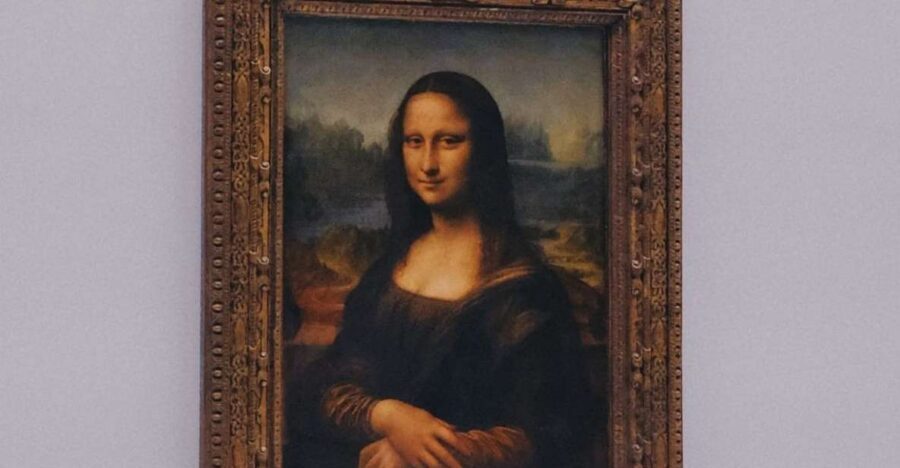
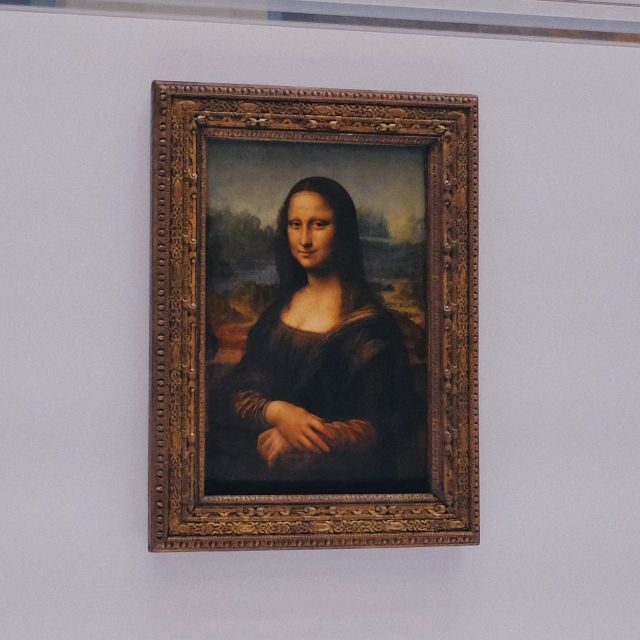
The tour highlights the Mona Lisa—described as one of the most significant paintings of all time. Even if you think you know what you’re looking at, the guide’s context can change the experience from a famous face into a historical object with details worth noticing.
The value isn’t only the painting itself. It’s what you learn while you’re there—how the museum’s timeline sets up why this work became the symbol it is today.
Big-name artists you’ll hear about
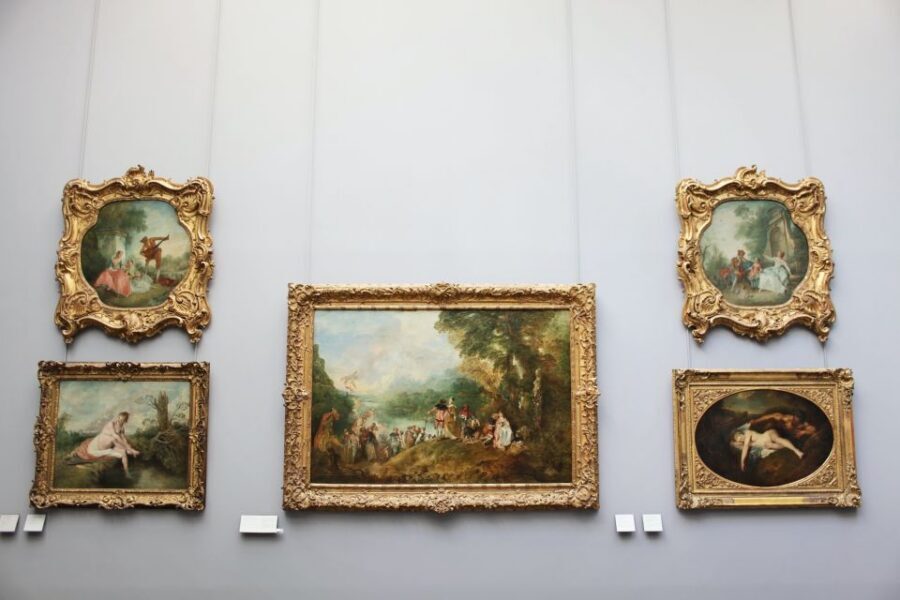
The Louvre section focuses on major names, including Leonardo da Vinci, Jacques-Louis David, François Boucher, and Hans Holbein. You’ll also encounter plenty of art around the areas you’re shown, but these names help you orient the collection.
What I like about including these artists: they give you reference points. If you’re the type who wants to connect dots—who painted what, and when—it’s easier to remember after you leave.
The skip-the-line reality: less waiting for tickets, maybe some waiting to enter
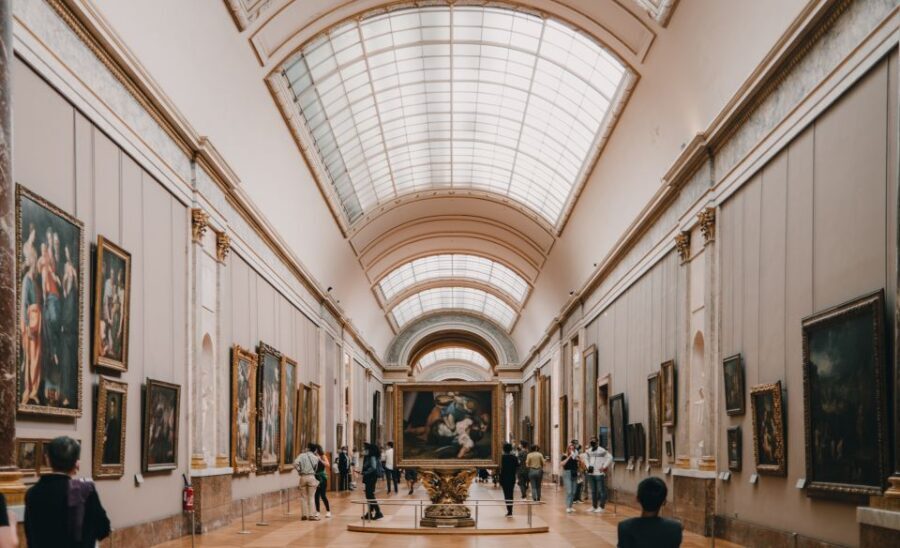
This tour includes skip-the-line entry ticket access for both Orsay and the Louvre. That’s a real win because ticket lines are often where time disappears.
One important consideration, based on how this can play out on the ground: even when you don’t queue to buy tickets, you may still need to stand in line to get into the museum. So think of it as skip the ticket purchase line, not a guaranteed skip of every single queue step.
In practice, this still often saves time, because entrance processing is usually faster when you’ve already handled the ticket part. But it’s smart to plan your expectations around a line of some kind.
How the private format changes what you actually see
A private group is the biggest difference-maker here. You’re not trying to keep up with five other people while someone else argues about which room to enter. Instead, the guide can adjust.
That flexibility helps in two ways:
- Focus. If you care more about certain artists or want more time at the works that pull you in, you can usually get that.
- Questions. When you’re learning, it’s often the small clarifications that make everything click.
The tour also includes liability insurance and offers 24/7 customer service, which usually comes with the kind of operational reliability you want when you’re dealing with museum entry times.
Price and value: what $467 per person is buying
At $467 per person for a 5-hour private tour, this isn’t the cheapest way to see Orsay and the Louvre. But it does target the high-friction parts of both museums: choosing a route, understanding what you’re seeing, and managing crowds.
Here’s what you’re paying for:
- A live guide for the full session
- A private format (not a shared group)
- Skip-the-line entry tickets for both museums
- Hotel or Orsay pickup included
- Tickets and guide time, not just a self-guided route
If you’ve ever priced out a “DIY with a museum app” day, the math is usually close once you factor in guide value. You don’t just buy access. You buy the translation layer: the what, the why, and the how-to-look tips that keep the day from turning into random wandering.
The one item not included is private transportation. That’s standard for a walking tour, but it matters if you’re planning to start from somewhere outside central Paris.
Timing and meeting points that reduce stress
The tour lasts 5 hours, and starting times depend on availability. That matters because both museums can get crowded, and a later slot can change your experience—especially in the Louvre.
Pickup is also a stress-saver. If you want fewer steps, choose the option where the guide meets you at your centrally located hotel. If your hotel is slightly awkward to access, meeting in front of the Orsay Museum can keep the day smooth.
If you’re bringing mobility needs, the tour is wheelchair accessible. Still, walking between museums and navigating museum spaces means it’s smart to think about comfort and pacing.
Who this tour is best for
This fits you if:
- You want a structured visit to Orsay and the Louvre without trying to memorize a museum map
- You care about big-name art and also want the context that explains what you’re seeing
- You prefer asking questions in real time (instead of scanning panels at high speed)
- You want a private, personalized feel for a 5-hour window
It may be less ideal if:
- You want a long, free-form museum day where you can drift for hours without a set direction
- You plan to see every single room—this tour is focused, not exhaustive
Should you book this Orsay and Louvre private tour?
I’d book it if you’re aiming for a high-impact first visit and you want less guessing. The combination of Orsay’s Impressionist-to-Post‑Impressionist focus, then a guided route into the Louvre’s time-spanning collection, is a smart way to understand two museums that can otherwise feel overwhelming.
Also, if skip-the-line access is important to your schedule, this is one of the cleaner ways to get it—just go in knowing you might still encounter some waiting to enter. With a private guide, that extra patience usually feels worth it, because your time inside gets better organized.
FAQ
How long is the Orsay and Louvre private tour?
The tour duration is 5 hours.
Does this tour include skip-the-line tickets for both museums?
Yes. It includes skip-the-line entry tickets for both the Orsay Museum and the Louvre Museum.
Where will my guide meet me?
Your guide will pick you up at your centrally located hotel in Paris or in front of the Orsay Museum, depending on what works best for you.
Which museums are included?
The tour includes the Musée d’Orsay and the Louvre Museum.
What languages are available for the live guide?
The live guide is available in Spanish, English, and French.
Is this tour private?
Yes. It’s a private group tour.
Is transportation included?
No. Private transportation is not included.