REVIEW · PARIS
Historic Paris Walking Tour in English
Book on GetYourGuide →Operated by Walkative Tours · Bookable on GetYourGuide
Paris reads better with a guide. This historic Paris walking tour in English strings the city’s biggest landmarks together with a story-built narrative, so you’re not just looking at buildings. The tour ties in famous characters and events like Quasimodo, Napoleon, Hitler, and even the Mona Lisa art-theft story, all while you move through central Paris.
I especially like the balance: major sights (Louvre, Notre-Dame, Pont des Arts, Tuileries) plus the why behind them. I also like the pace for a first visit, since the whole experience runs 150 minutes and gives you a tight orientation without turning into a museum marathon. The main downside is simple: if you want to linger for long entrances and deep museum time, this will feel like a fast tour, not a slow one.
In This Review
- Key highlights worth your attention
- Paris in 150 minutes: why this timing works
- Finding the meeting point at Hôtel de Ville (the yellow umbrella)
- From Romans to Revolutions: how the guide makes history feel current
- Louvre: palace politics first, museum art second
- Notre-Dame and Quasimodo: Gothic beauty with a narrative spine
- Pont des Arts: the Seine moment you’ll remember
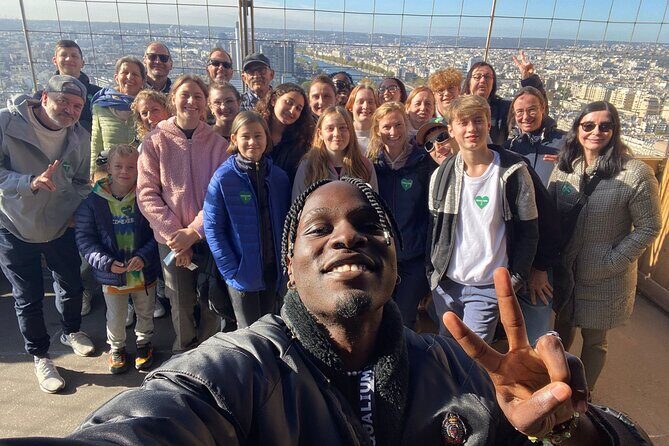
- Sainte-Chapelle, Eiffel Tower, and the scale of modern Paris
- Tuileries Gardens: where the walk ends, and ideas start
- Price and value: $31 for central Paris stories that save you time
- Who should book this, and who should consider another option
- Should you book the Historic Paris Walking Tour?
- FAQ
- How long is the Historic Paris Walking Tour?
- How much does the tour cost?
- What sights are included on the tour?
- Where do I meet the guide?
- Is the tour in English?
- Is hotel pickup and drop-off included?
- What is the cancellation and payment policy?
Key highlights worth your attention
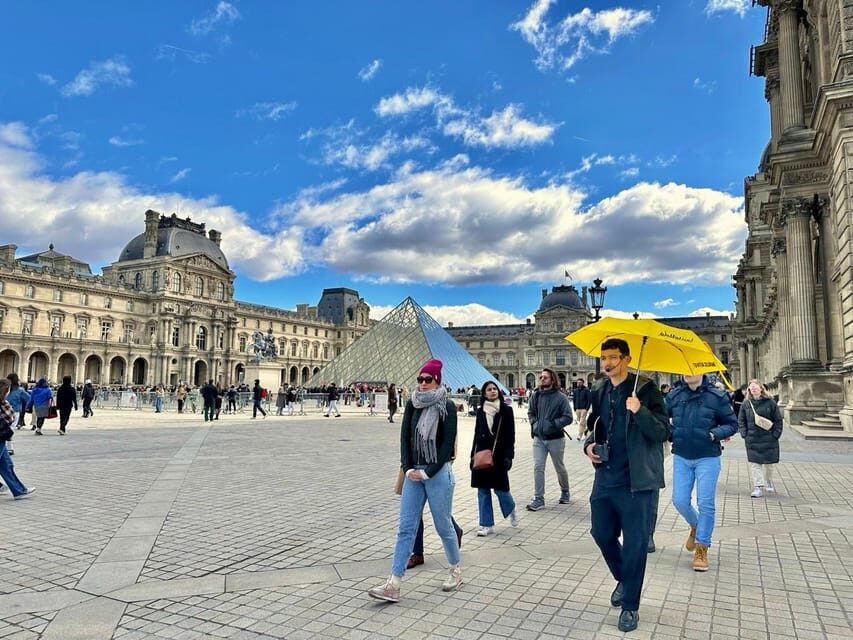
- Louvre explained as palace history plus museum art: you get the building story, not only the famous name.
- Notre-Dame framed with Gothic drama: the tour connects the cathedral to the Quasimodo legend.
- Pont des Arts for real Seine views: it’s a picture spot, but also a story checkpoint.
- Tuileries Gardens time: you see where Paris relaxes, walks, and gathers.
- English guides that keep questions going: multiple past guides named in this set are praised for Q&A and keeping the group engaged.
- A central route built around modern and medieval Paris: boulevards meet older churches, and the contrast is the point.
Paris in 150 minutes: why this timing works
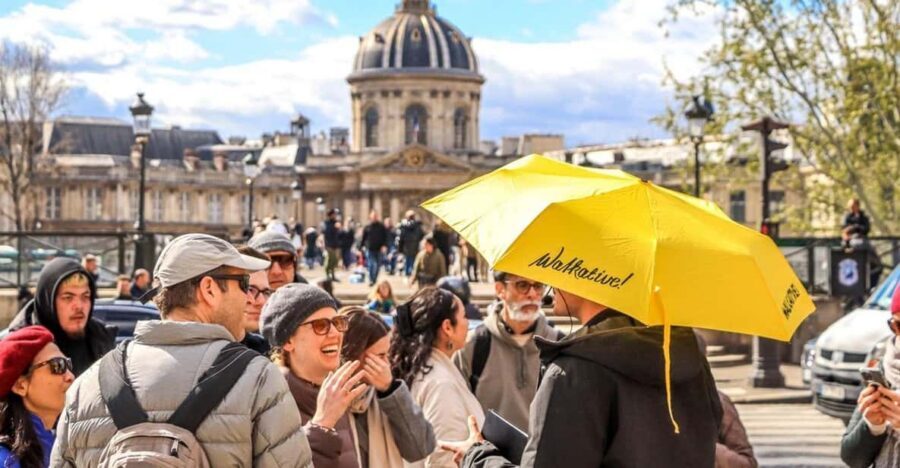
A lot of Paris tours try to do everything. This one focuses on doing the essential parts well, in 150 minutes. That matters because central sights like the Louvre and Notre-Dame can swallow your whole day if you go in cold, with no context and no plan.
The format is also built for understanding, not just sightseeing. The tour’s “thoroughly constructed” narrative approach means you’ll hear the city as a chain of causes and effects: how power shifted, how revolts shaped planning, and how art became a public obsession. It’s a fast path to feeling oriented, which is exactly what you want on a first trip.
I also like that the tour is light on “checklist pressure.” Even when the stops are iconic, you’re there for the stories that explain why Parisians still talk about these places the way they do.
You can also read our reviews of more walking tours in Paris


Finding the meeting point at Hôtel de Ville (the yellow umbrella)
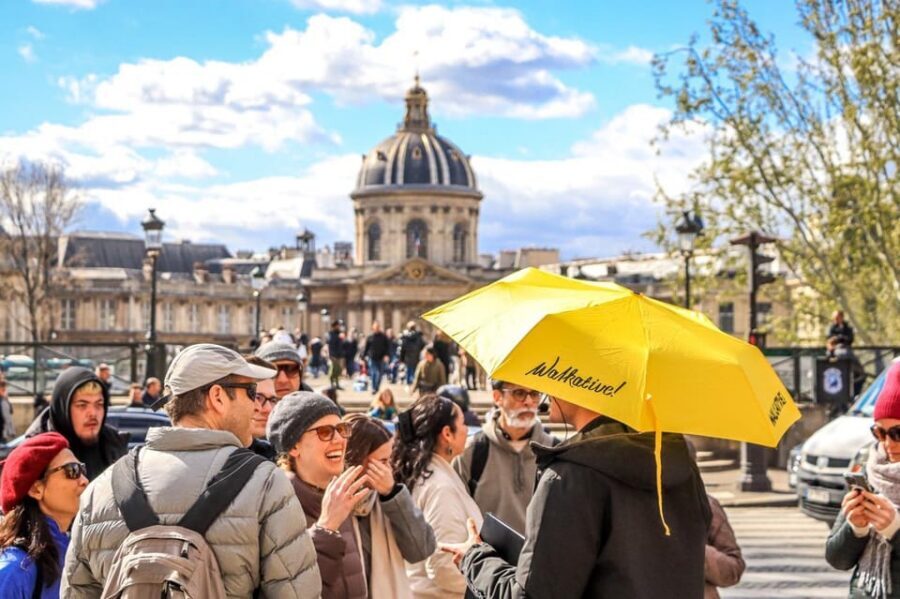
You meet at Hotel de Ville, outside the metro at exit 5. Look for a yellow umbrella so you can spot your guide quickly, even if you’re arriving a bit jet-lagged.
Arrive about 10 minutes early. In this part of Paris, that buffer helps you avoid the classic travel situation: you’re standing three blocks away, the group is already forming, and everyone looks like they’ve grown impatient.
Practical tip: bring water and wear shoes you can walk in comfortably. This is a walking tour, and the value comes from moving through the city while the guide’s story connects the dots.
From Romans to Revolutions: how the guide makes history feel current
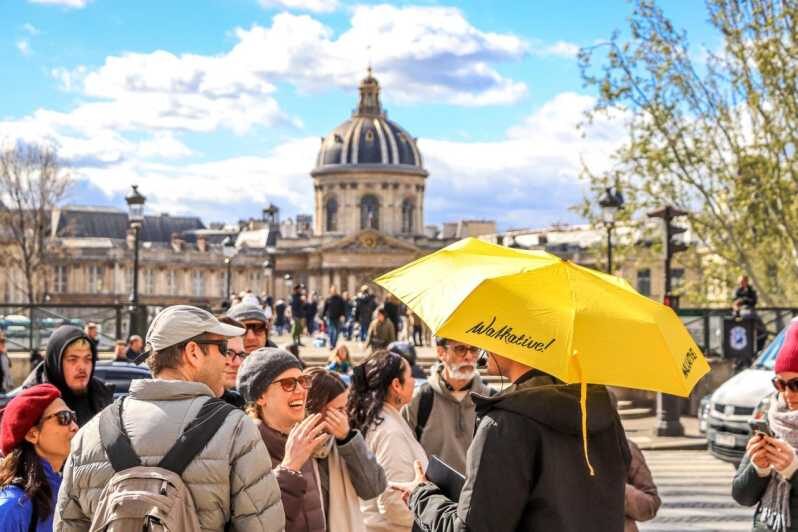
The tour doesn’t treat Paris as a static postcard. It frames the city as something that’s been rebuilt over and over, usually because people pushed back.
You’ll hear the big arcs that shaped Paris: early settlement in the Seine area, Roman control, and later becoming a major center for politics, religion, and learning. Then the stories turn toward conflict and change—wars, religious massacres, and the rise of science and philosophy during the Enlightenment.
One detail I really like is how the guide explains 19th-century urban planning. Paris built wide boulevards and infrastructure with a practical goal: it’s harder to raise street barricades when streets are broad and built-up. That’s one of those “you’ll see it differently now” moments—suddenly the city layout feels like an argument.
It’s also a reminder that modern Paris isn’t only about elegance and art. A lot of it is about control, protest, and power moving around the map.
Louvre: palace politics first, museum art second
The Louvre is often treated like a single giant collection. This tour treats it like a piece of political history that became a museum.
You’ll learn about the Louvre as a palace—how it fits into the rise of Paris as a seat of power—and how it later transformed into the world’s most famous art destination. That order matters. Once you understand the building’s role, the museum context stops feeling random, even when you’re standing in front of something you’ve only seen in books.
The tour also weaves in the thrilling side of art history. It includes the story of one of the most daring art thefts—yes, the Mona Lisa. Even if you don’t care about theft plots, you’ll still appreciate how the story points to how iconic artworks became public symbols.
What to watch for while you’re there: you’ll get more out of the Louvre experience if you treat what you see as evidence. Everything from the setting to the way the place is framed helps answer the same question: how did Paris turn art into national identity?
Notre-Dame and Quasimodo: Gothic beauty with a narrative spine
Notre-Dame isn’t just old stone. This tour gives it a storyline hook through the Quasimodo connection.
That matters because Gothic churches can feel like “pretty buildings” unless someone explains what the space was for and why it mattered. With the Quasimodo tie-in, you get a bridge between legend and real medieval Paris. You’re not only admiring the cathedral; you’re learning how stories stick to places.
You’ll also get a sense of why Notre-Dame remains a symbol far beyond its original role. Paris treats landmarks like living characters. In a short walking tour, that attitude is what keeps the cathedral from becoming a quick photo stop.
Practical consideration: outside areas can get crowded, especially on busy days. If your group pauses for photos and stories, be ready for a little standing still before you move on.
You can also read our reviews of more historical tours in Paris






Pont des Arts: the Seine moment you’ll remember
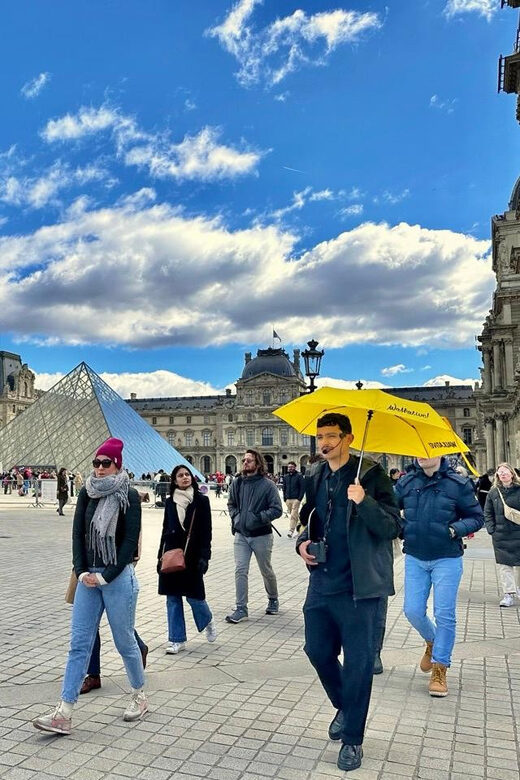
Pont des Arts is where central Paris becomes cinematic. The tour includes it for that reason, but also because bridges are part of how the city connects its identity: movement, trade, travel, and views all in one.
If you’ve been to Paris before, this still works because Pont des Arts is about perspective. It lets you see the city’s layers while staying close to the historic core. And with the tour’s story-driven approach, the bridge becomes more than scenery.
One more reason I like this stop: it breaks up the heavier concentration of buildings. You’ll get air, a view, and a reset, and then the walk continues with more history and art context.
Sainte-Chapelle, Eiffel Tower, and the scale of modern Paris
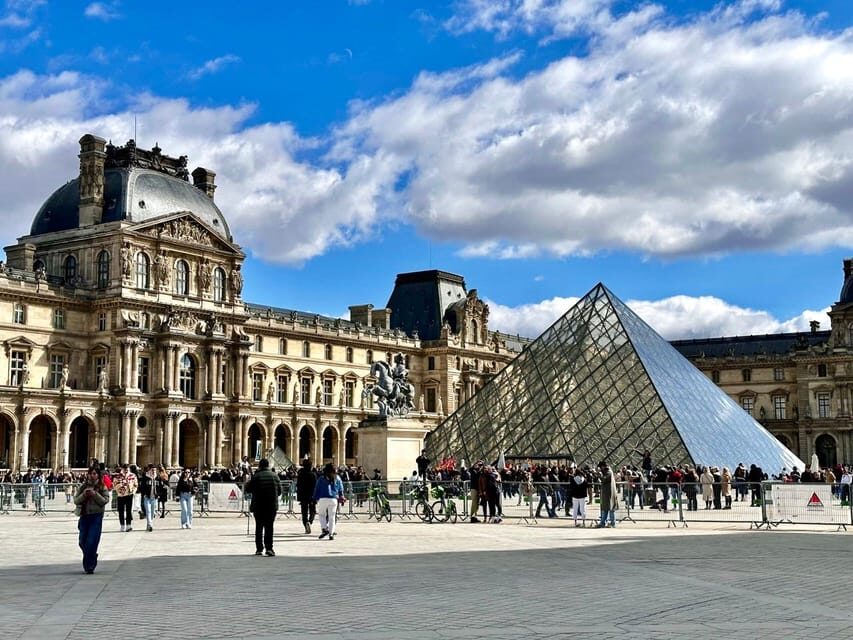
The tour also includes other central highlights, including Sainte-Chapelle and the Eiffel Tower. Even without long entry times spelled out, being told what you’re looking at changes everything, especially with a structure that links medieval and modern Paris.
Sainte-Chapelle is a great counterweight to Notre-Dame: it helps you see the city’s religious architecture as more than one style or one moment. Eiffel Tower gets its own kind of story framing. You’ll hear about how it was built for the 1889 Universal Exposition—and how Parisians protested it for decades before the city eventually fell in love with it.
That story is perfect for understanding Paris attitudes. The city can feel proud, elegant, even superior on the surface. Underneath, it’s also stubborn, argumentative, and very good at turning disagreement into culture.
If you want Paris to feel alive fast, these modern-and-medieval contrasts are the fastest route to that feeling.
Tuileries Gardens: where the walk ends, and ideas start
The tour wraps in the area of the Tuileries Gardens, which is a smart finish. Gardens give you space to breathe after architecture and landmark density.
Even if you don’t plan a long stop there, you’ll leave with a better sense of how Parisers move between grand monuments and everyday calm. It’s also a perfect place to carry the tour forward on your own. The description even points toward the idea of a picnic after sightseeing.
What I like about the gardens finish is how it softens the tone. History can be heavy when you’re hearing about revolution, inequality, and repeated conflict. A few minutes of greenery makes the stories land, rather than just bounce off.
Price and value: $31 for central Paris stories that save you time
This costs $31 per person and runs 150 minutes, with an expert local guide and a built-narrative format. For a central Paris orientation that includes the Louvre and Notre-Dame area focus, that’s strong value.
Here’s the part to understand: you’re joining a pay-as-you-wish style tour. The amount you pay is described as covering a reservation fee and the guide’s payment. In plain terms, you’re not “locked into” a huge fixed price for everything. You can reward based on what you felt you got.
That works best if you’re going to use the guide like you mean it. Ask questions. Pay attention to the connections. If you tune out, a story-driven tour won’t magically convert to a self-guided audio experience.
The tour is also easy to book with flexibility options like reserve now and pay later, which helps when your schedule in Paris isn’t fully set.
Who should book this, and who should consider another option
Book this tour if:
- It’s your first time in Paris and you want a fast orientation.
- You like history that links to what you’re seeing now.
- You want the Louvre and Notre-Dame context without spending hours figuring it out yourself.
- You appreciate guides who keep groups engaged and handle questions with energy. Past guides named in this set are praised for storytelling and for making the walk fun, even for people who don’t come in as hardcore history buffs.
Consider another option if:
- You want deep museum time inside the Louvre.
- You prefer quiet, unstructured wandering and don’t want a guided narrative shaping what you notice.
- Your priority is “spend hours at one site” rather than “see the city’s main themes.”
One more practical note from the way the tour is described and how it’s been experienced: it’s presented as an active, educational walk, but not pitched as grueling. If you can do an afternoon of city walking, it should fit fine.
Should you book the Historic Paris Walking Tour?
Yes, if you want to get value fast and understand Paris as a story—not a scrapbook. For $31 and 150 minutes, you’re covering the kind of central landmarks that can otherwise take you a whole day to connect on your own.
I’d book it on day one or day two. You’ll use it as a map for the rest of your trip. And if you’re traveling solo, this kind of guided, small-central-route format is a good way to feel less lost and more in the loop without waiting in a line for hours with no plan.
If you like history with a sense of drama—Quasimodo, revolution, famous art theft tales—this is an easy “yes.” If you’re seeking long museum browsing time, pair it with a separate plan for the Louvre later.
FAQ
How long is the Historic Paris Walking Tour?
The tour lasts 150 minutes.
How much does the tour cost?
The price is $31 per person.
What sights are included on the tour?
You’ll learn about the Louvre, Notre-Dame Cathedral, Pont des Arts, and discover the Tuileries Gardens. The description also mentions other central stops such as Sainte-Chapelle and the Eiffel Tower.
Where do I meet the guide?
Meet at Hotel de Ville, outside the metro at exit 5. Look for a yellow umbrella.
Is the tour in English?
Yes, the live tour guide provides the tour in English.
Is hotel pickup and drop-off included?
No, hotel pickup and drop-off are not included.
What is the cancellation and payment policy?
You can cancel up to 24 hours in advance for a full refund. You can also reserve now and pay later, meaning you can book and pay nothing today.
If you want, tell me your travel dates and whether this is your first time in Paris, and I’ll suggest the best follow-up stops for the same day.