REVIEW · PARIS
Paris: Jewish Quarter & Museum of the Art and History Tour
Book on GetYourGuide →Operated by Lille Local Tours · Bookable on GetYourGuide
Paris has layers, and this tour peels them back. This is a focused walk through the Jewish Quarter and key memory sites, guided by a Jewish History expert, starting at a major city landmark in Hôtel de Ville. I like how it connects medieval persecution to French emancipation, then brings you into the lived-in modern Jewish streets of the Marais. I also like that the longer options add the Museum of Jewish Art and History with skip-the-line tickets, so you don’t waste your precious hours in line. One thing to consider: if you choose the 2-hour version, you won’t get the museum visit—so match the time length to what you actually want to see.
You’ll move between neighborhoods with very different moods: the ceremonial feeling around Île de la Cité, the heavy, precise stop at the Deportation Martyrs Memorial, and the everyday bustle of Jewish shops and kosher spots in the Marais. The tour is offered as a private group, with guides available in several languages, and it’s wheelchair accessible. A practical heads-up: one past experience flagged confusion about start time and the meeting point, so you’ll want to be on time and check the day-before email for the exact details.
If you’re hoping for a quick overview, this works. If you want deeper context—especially inside a museum dedicated to Jewish art and history—go with the 4-hour or 5.5-hour option.
In This Review
- Quick hits before you go
- A Start at Hôtel de Ville, Then Straight to Jewish Paris
- Île de la Cité and the Deportation Martyrs Memorial
- Le Marais Jewish Quarter: Shops, Streets, and Two Major Synagogues
- Agoudas Hakehilos Synagogue
- Synagogue des Tournelles near Place des Vosges
- Choosing 2, 4, or 5.5 Hours: Pick Based on the Museum
- The 2-hour option: sites and story, no museum
- The 4-hour option: add the Museum of Jewish Art and History
- The 5.5-hour option: walking plus museum plus private car transfer
- Museum Time: What the Art and Archives Actually Add
- Logistics That Can Make or Break Your Day: Meeting Point and Timing
- Who This Tour Fits Best (and Who Should Rethink It)
- Should You Book This Paris Jewish Quarter Tour?
- FAQ
- Where does the tour start?
- How long is the tour?
- Is the Museum of Jewish Art and History included?
- Do I get skip-the-line tickets to the museum?
- What about pickup from my accommodation?
- Is the tour private?
- What languages are available?
- Is the tour wheelchair accessible?
- What stops are included for the Holocaust memorial part?
- Do I need to arrive on time?
Quick hits before you go
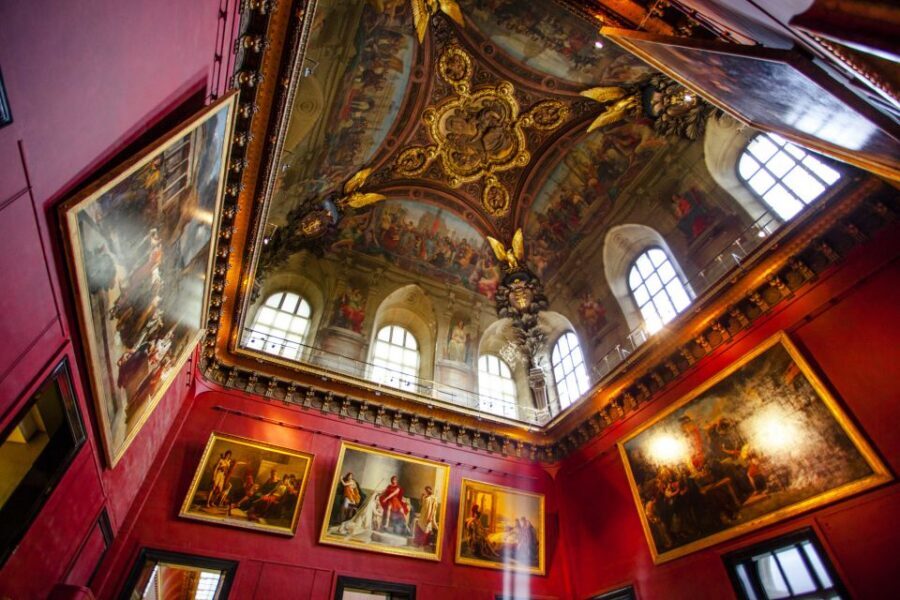
- Start point at Statue d’Étienne Marcel by Hôtel de Ville: easy to orient yourself and central for planning the rest of your day
- Holocaust memory at the Deportation Martyrs Memorial: a serious stop tied to the French-Jewish wartime story
- Synagogue highlights in the Marais: including Agoudas Hakehilos and Synagogue des Tournelles
- Museum option with skip-the-line tickets: only for the 4-hour and 5.5-hour versions
- Two or three different ways to experience the area: 2 hours focuses on street-and-site history; longer options add museum time
- Private car transfer only on the 5.5-hour option: helpful if you don’t want to manage logistics on your own
A Start at Hôtel de Ville, Then Straight to Jewish Paris
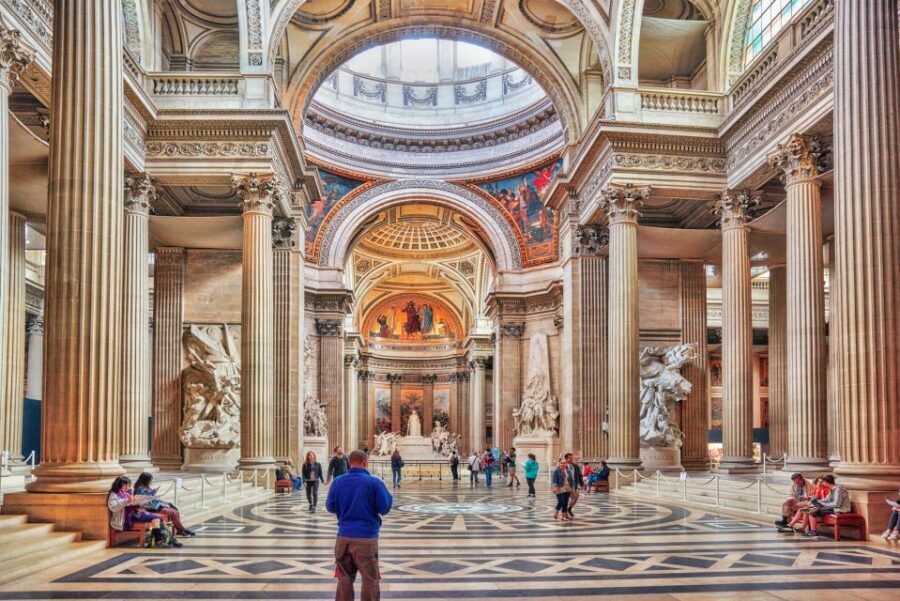
The tour begins at the Statue d’Étienne Marcel, right by the Hôtel de Ville at 1341 Quai de l’Hôtel de ville in the 4th arrondissement. That matters more than it sounds. Hôtel de Ville is one of Paris’s core civic addresses, so the first minutes give you a strong frame for thinking about law, rights, expulsions, and citizenship—issues that follow Jewish life in France through the centuries.
From there, you walk with a Jewish History expert guide who traces key turning points: expulsions and emancipation over time. The conversation is set up to follow a timeline you can actually remember, rather than scattering facts across random street corners. You’ll hear how events stretch from the First Crusade and the French Wars of Religion to the French Revolution, and you’ll connect those shifts to what Jewish communities could and couldn’t do in different eras.
I also like the pacing logic. Even if you only take the 2-hour option, the tour doesn’t start at a synagogue and jump immediately to modern Paris. Instead, it builds the “why” first, so later stops in the Île de la Cité area and the Marais feel like chapters, not separate postcards.
You can also read our reviews of more historical tours in Paris



Île de la Cité and the Deportation Martyrs Memorial

After the civic start, the route moves toward Île de la Cité, where Notre-Dame is part of the landscape even when you’re not going inside. This area is dramatic by nature, with big stone spaces and long sightlines, which makes it a strong setting for a memory-focused stop.
Then comes the Deportation Martyrs Memorial, a key site that commemorates people sent to Nazi concentration camps during World War II. The guide’s job here is crucial: you’re not just reading a name wall. You’re being helped to understand what happened to the French-Jewish population during the Holocaust, and how the community carried grief forward afterward.
If you’re sensitive to heavy topics, plan your day accordingly. This isn’t a casual stop, and it sets the emotional weight for the rest of the tour. I’d also recommend giving yourself a small buffer afterward—so you don’t jump immediately into a loud café or a shopping spree without a moment to absorb what you just learned.
Le Marais Jewish Quarter: Shops, Streets, and Two Major Synagogues
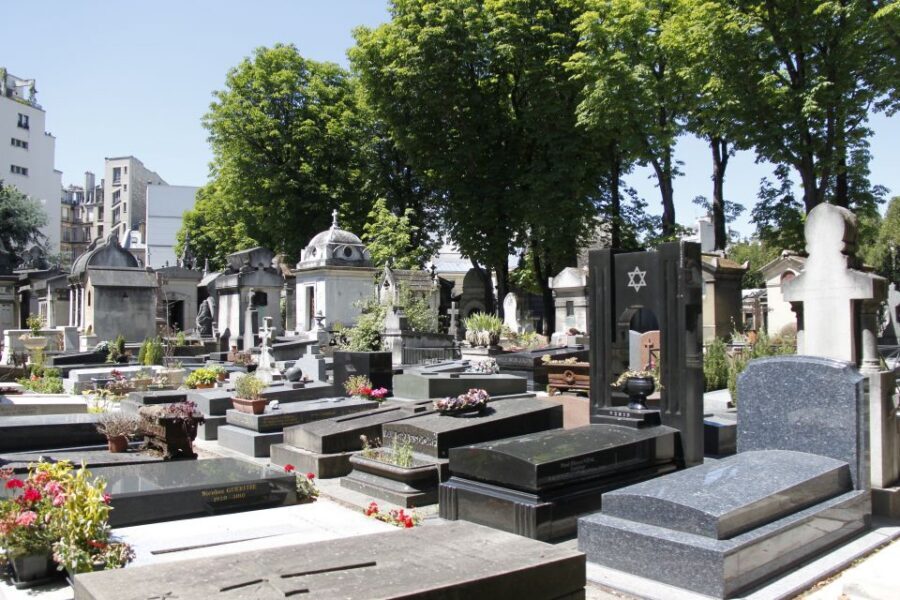
Next you get to the part many people come for: the Marais. This is where the tour becomes very practical and present-day. You’ll pass Jewish shops, bookshops, and kosher restaurants, and you’ll see how the area still serves one of the world’s largest Jewish communities.
The Marais section works best when you treat it like living geography, not just scenery. Street layouts, storefronts, and the location of religious buildings all tell you how communities organized life. You’ll also pick up background on why the Jewish Quarter gained strength there after major political shifts—especially after the French Revolution, when it became a popular and active commercial area.
Agoudas Hakehilos Synagogue
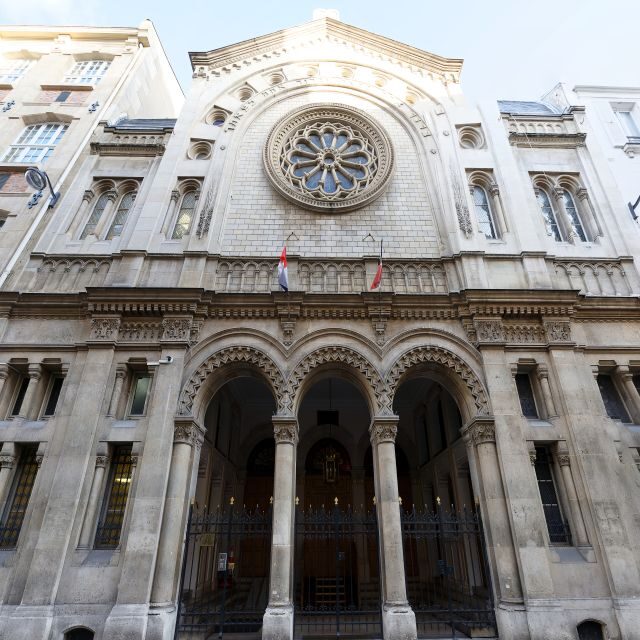
One standout stop is the Agoudas Hakehilos Synagogue, built in the early 1900s by an Orthodox group of wealthy immigrants from Poland and Russia. Even without going inside, the exterior location and landmark status help you picture how immigrant waves influenced Paris religious life.
This is the kind of stop where the guide’s explanations make the architecture matter. You’re not just seeing a building; you’re learning who made it possible, when, and why.
Synagogue des Tournelles near Place des Vosges
Another important sight is Synagogue des Tournelles, located next to Place des Vosges, which is the oldest planned square in Paris. That pairing is powerful. You get a sense of the grid and design thinking behind Place des Vosges, and then you’re right beside a synagogue that anchors Jewish life in that carefully planned space.
If you love city history, this combo is a good one. It links civic design to community presence, and it helps you see the Marais as a long-running neighborhood story instead of a short-term tourist zone.
You can also read our reviews of more museum experiences in Paris






Choosing 2, 4, or 5.5 Hours: Pick Based on the Museum

This tour is offered in three time lengths: 2 hours, 4 hours, and 5.5 hours. That choice affects what you actually see, not just how long you walk.
The 2-hour option: sites and story, no museum
If you go with 2 hours, you’ll focus on the Jewish Quarter and key memory locations—starting at Hôtel de Ville, moving toward Île de la Cité and the Deportation Martyrs Memorial, and then spending time in the Marais around major synagogues. The museum isn’t part of this version, and skip-the-line museum tickets aren’t included.
This option can be a smart pick if you already plan to visit the museum later on your own. It’s also a good choice if you want the street-level feel and the main landmarks without committing to a longer schedule.
The 4-hour option: add the Museum of Jewish Art and History
Choose the 4-hour option if your priority is combining walking history with museum context. This version includes skip-the-line tickets to the Museum of Jewish Art and History, which matters because museum entry can eat up time fast.
You also get a strong cultural marker outside the museum: a statue of Alfred Dreyfus. Dreyfus is a French-Jewish officer convicted for treason in 1894, and seeing that memorial figure right before you enter the museum gives you an emotional and historical bridge between public controversy and cultural survival.
Inside, you can expect permanent and temporary exhibitions focused on the history of Jews in Europe and North Africa. The museum’s collections include religious objects, archives, manuscripts, and works of art—so you’re not stuck with only one type of display. The information you’ll see covers art and culture, but it’s built to support historical understanding too. If you’re an art lover, the museum includes paintings by Marc Chagall and Amedeo Modigliani among its notable items.
The 5.5-hour option: walking plus museum plus private car transfer
The 5.5-hour option adds a bit more room to breathe. It includes a walking tour of the Old Jewish Quarter, the museum visit, and private transportation. If you’d rather avoid transit wrangling, this version can be a comfortable way to make the day smoother.
One practical point: private car pickup and drop-off are included only on the 5.5-hour option. So if you care about that convenience, don’t assume the shorter tours include it.
Museum Time: What the Art and Archives Actually Add

A good museum visit changes the way you interpret what you saw outside. With this tour, you’ll come into the Museum of Jewish Art and History with an existing storyline about expulsions, emancipation, war, and community survival.
Inside, the exhibits range from history themes to personal and cultural artifacts. Religious objects and manuscripts help you understand that “Jewish history” isn’t only politics. It’s also study, ritual, family memory, and identity carried through generations. Archives and collections give you a sense of continuity—records that survived and were preserved so future people can learn.
You’ll also have room for the art side. Seeing artists connected to Jewish culture alongside the historical materials can help you understand how culture isn’t separate from history. It grows out of it.
The best value here is time management. When skip-the-line tickets are included, you get more minutes for exhibits instead of losing them to slow entry lines. If you’re booking around other plans, that can make a measurable difference.
Logistics That Can Make or Break Your Day: Meeting Point and Timing
This is Paris, so you’ll be doing some walking. The tour is listed as a private group, and it’s wheelchair accessible, which helps if you’re coordinating with mobility needs.
But the most important logistics piece is timing. The tour notes that time slots are reserved for some entries, and arriving late may prevent you from enjoying the full experience. That’s not a scare tactic. It’s just how timed access works in museums and heritage sites.
Also, check your email the day before the tour. The tour specifically tells you that important information will be sent then. One past experience included confusion about the start time, plus back-and-forth that created meeting-spot problems. You can avoid that by doing two things: confirm the exact start time in your email, and arrive a little early at the agreed statue location. In a city this big, being five minutes late can feel like an hour.
Lastly, keep your option in mind. If museum access is essential to your trip, pick the 4-hour or 5.5-hour versions, because skip-the-line museum tickets aren’t included for the 2-hour tour.
Who This Tour Fits Best (and Who Should Rethink It)
This tour is a great fit if you want Jewish heritage sites tied to real historical context in the exact neighborhoods where Jewish Paris actually unfolded. You’ll like it if you care about the story behind landmarks—why a synagogue is here, what political shifts affected daily life, and how wartime deportations are remembered.
It also works well for people who want a guide to structure the information. You’re getting a timeline framework, not random facts.
It might not be the best fit if you want a long museum experience on its own. The 2-hour version won’t take you into the museum at all, and the total time in each area depends on your selected duration. If your goal is mainly museum-heavy, you’ll likely prefer the 4-hour or 5.5-hour option so you’re not forced to rush.
Should You Book This Paris Jewish Quarter Tour?
I think you should book it if you want a calm, structured tour that connects street-level heritage in the Marais with a serious memorial stop on Île de la Cité, and you value a guided explanation that ties the pieces together. The museum addition in the 4-hour and 5.5-hour options is where the value jumps, especially thanks to skip-the-line tickets and access to exhibitions covering Jewish history across Europe and North Africa.
I’d also say this: don’t treat this as one single tour. It’s three different experiences packaged under one umbrella. If you’re museum-inclined, pick the 4-hour or 5.5-hour route. If you’re short on time and want the main outdoor sites and key memorial, the 2-hour option can still be satisfying.
Just do your part on logistics: check your email the day before, arrive early at the Statue d’Étienne Marcel meeting point, and choose the time length that matches your priorities.
FAQ
Where does the tour start?
You meet your guide in front of the Statue d’Étienne Marcel, 1341 Quai de l’Hôtel de ville, 75004 Paris, France.
How long is the tour?
The tour runs from 2 to 5.5 hours, depending on the option you select. Start times vary, so you’ll need to check availability.
Is the Museum of Jewish Art and History included?
It’s included only in the 4-hour and 5.5-hour options. The 2-hour option focuses on Jewish Quarter sites and memorials.
Do I get skip-the-line tickets to the museum?
Yes, skip-the-line tickets are provided only for the 4-hour and 5.5-hour options.
What about pickup from my accommodation?
Pickup and drop-off by private car are included only in the 5.5-hour option.
Is the tour private?
Yes. It’s offered as a private group.
What languages are available?
The live guide is available in English, German, French, Italian, Spanish, Russian, and Polish.
Is the tour wheelchair accessible?
Yes, the tour is listed as wheelchair accessible.
What stops are included for the Holocaust memorial part?
You’ll see the Deportation Martyrs Memorial on Île de la Cité, with guidance on the WWII deportations and the aftermath for the French-Jewish community.
Do I need to arrive on time?
Yes. The tour notes that reserved entry time slots exist for some attractions, and late arrival may limit what you can enjoy.