REVIEW · PARIS
The History of Paris: Historical Le Marais Private Tour
Book on Viator →Operated by Withlocals · Bookable on Viator
Le Marais history feels personal on this walk. A private setup means your guide can slow down, speed up, and adjust the route on the spot as you learn the stories behind iconic sights and overlooked corners. I particularly like the chance to get local recommendations at the same time you’re hearing what makes this neighborhood tick. One thing to consider: the plan includes church stops, so if you want nonstop facts with no pause, you’ll want to set the tone early.
You’ll hit three major anchors with clear timing: Place des Vosges (with a peek connected to Victor Hugo), Eglise Saint-Paul Saint-Louis, and the Hotel-de-Ville area where city government takes center stage. I also like the practical end point on Pont Marie, which makes it easy to keep exploring after the tour. The only real drawback I’d flag is that some guests prefer a tighter historical focus—so if you care a lot about Jewish history in particular, ask your guide to emphasize it.
In This Review
- Key highlights
- How private pacing turns Le Marais into something you can actually feel
- Price and value for a 2-hour private history walk
- From Rue de Rivoli to Pont Marie: the route’s practical flow
- Stop 1: Place des Vosges and the Victor Hugo connection
- Stop 2: Eglise Saint-Paul Saint-Louis and the Louis XIII to Richelieu story
- Stop 3: Hotel-de-Ville and why Paris government sits in plain sight
- When your guide adds extra stops: what that means for your expectations
- Pacing tips: how to get the facts you want without losing the fun
- Local tips you can use right after the tour
- Who should book this Le Marais history private tour
- Should you book? My practical take
- FAQ
- How long is the History of Paris: Historical Le Marais Private Tour?
- Is this tour private?
- What stops are included in the tour?
- Are admission tickets included?
- Where do I meet the guide, and where does the tour end?
- Is the tour offered in English?
- Can I get a full refund if I cancel?
Key highlights
- Private tour pacing: only your group, no large-bus rush
- Flexible routing: your guide can make on-the-spot changes
- Iconic stops in the 4th: Place des Vosges, Saint-Paul-Saint-Louis, Hotel-de-Ville
- Context you can use: history plus smart, local recommendations
- Clear endpoint: you finish at Pont Marie, ready for more walking
How private pacing turns Le Marais into something you can actually feel
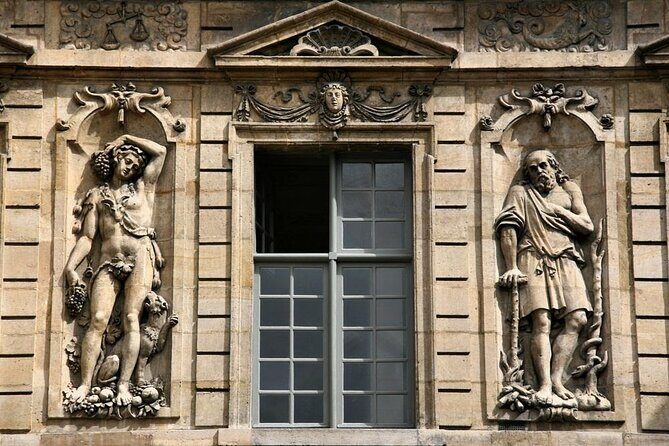
Le Marais is one of those places where the postcard view is only half the story. This tour is designed for the other half—the human scale. Because it’s private, you’re not crammed into a big group rhythm. Instead, the guide can respond to what you ask and what you’re most curious about as you move through the neighborhood.
The 2-hour window is also a big part of the value. Paris history can become a blur if you overstuff your day. Here, you get a focused loop: meet, walk, stop, talk, then finish with time to continue on your own. If you like structured sightseeing but still want space to ask questions, this strikes a helpful balance.
One more practical win: the tour includes trained local guidance and promises on-the-spot adjustments. In real terms, that means if weather or your interests shift, the guide can nudge the route so the experience stays fun rather than frantic. Your “takeaway” isn’t just facts—it’s recommendations for what to do next while you’re still in the neighborhood.
You can also read our reviews of more private tours in Paris



Price and value for a 2-hour private history walk
At $106.93 per person, this isn’t a bargain ticket. But it also isn’t priced like a group cattle-car tour. With a private format, you’re paying for three things: time with a real guide, a route tailored to your pace, and local tips that go beyond monument spotting.
There’s also a small advantage built in: the tour notes group discounts. If you’re traveling with friends or family and the booking conditions allow it, that can reduce the per-person cost while still keeping the private experience feel.
Think of the price as buying fewer crowds and more conversation. If you’re the kind of traveler who wants to ask why something was built, who used it, and what to look for when you turn a corner later, the value tends to make sense. If you’d rather zip through with minimal talking, you might feel like you’re paying for time you won’t use.
From Rue de Rivoli to Pont Marie: the route’s practical flow

The tour begins at 29 Rue de Rivoli, in Paris’s 4th arrondissement, and ends at Pont Marie. That start-and-finish setup matters more than it sounds. Rue de Rivoli is an easy place to orient yourself, and ending at Pont Marie helps you transition smoothly into self-guided exploring right where the neighborhood energy continues.
The meeting point is near public transportation, so you’re not stuck planning an awkward detour just to get there. And since there’s no hotel pickup and drop-off, it’s best if you’re already comfortable moving across central Paris on your own.
The tour is also offered in English, and you’ll receive a confirmation at booking. You get a mobile ticket, which keeps day-of logistics simple. In other words, you’re spending your energy on Le Marais—not on figuring out paperwork.
Stop 1: Place des Vosges and the Victor Hugo connection
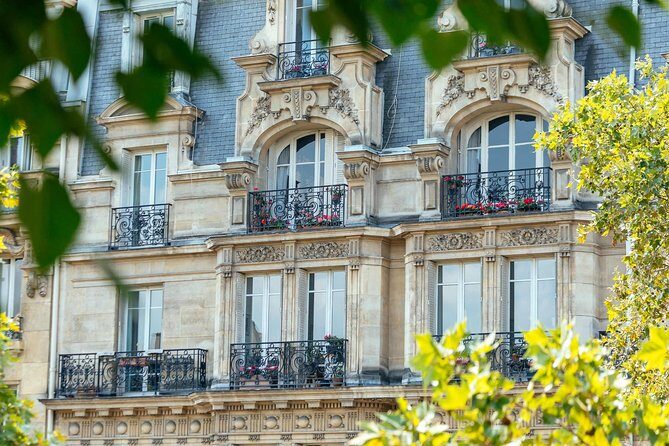
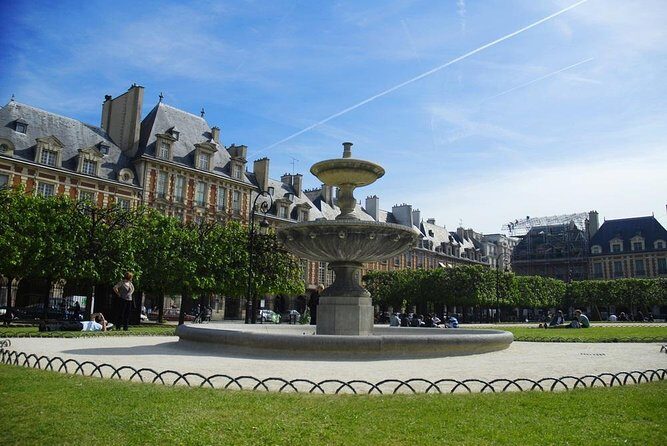
You’ll start at Place des Vosges, one of the most recognizable squares in Paris. It’s built for lingering—so even in a short visit, you can get a sense of how this part of town was meant to function as a social and architectural center.
The tour includes time to get acquainted with the square and to peek at Victor Hugo’s house. That detail is more than name recognition. Hugo’s association with this area makes it easier to connect literature, daily life, and the feel of the neighborhood. You’re not just looking at old buildings; you’re learning why certain places became magnets for culture.
This stop is timed at about 20 minutes, and admission is noted as free. That combination is smart. It lets you gather context early without burning time on entry lines. If your priority is history with a bit of atmosphere, this is a strong opener.
One consideration: if you’re freezing or the weather turns nasty, use the early moment to ask your guide what parts of Le Marais you should focus on after the tour. You’ll get more out of the time while you’re still together.
Stop 2: Eglise Saint-Paul Saint-Louis and the Louis XIII to Richelieu story
Next is Eglise Saint-Paul Saint-Louis, a church with construction dates that instantly make it feel like more than decoration. Work began in 1627, when King Louis XIII laid the first stone. Then, just fifteen years later, in 1641, the church was dedicated by Cardinal Richelieu.
That timeline gives you a helpful way to interpret what you’re seeing. This isn’t a random old church. It’s a building tied to major power and influence in France’s 1600s, and the guide can connect architectural choices to the politics and religion of the period.
The stop is scheduled at about 15 minutes. Admission is noted as not included, so if you plan to go inside for a longer look, you may want to be ready for the possibility of an extra ticket step.
If you want the tour to feel more like a fast historical overview, you can ask the guide to keep the church portion tight. On colder days, church stops can be the place where pacing matters most—short, focused, and purposeful beats slow wandering when you’re cold.
You can also read our reviews of more historical tours in Paris






Stop 3: Hotel-de-Ville and why Paris government sits in plain sight
Your third anchor is the Hotel-de-Ville area, tied to the 4th arrondissement. Despite the grand name, this stop is basically about how the city’s leadership shows itself in architecture and public space.
The tour explains that this building houses local administration and the role of the Mayor of Paris (noted as since 1977). It also serves as a venue for large receptions. In other words, you’re not just learning what Paris looks like—you’re seeing how civic power and public ceremony share the same stage.
This stop is also timed at about 15 minutes, and admission is marked as free. That makes it an efficient lesson: you can get the meaning behind the site without losing the flow of the walking portion.
The Hotel-de-Ville stop tends to work well for people who like political history without turning the tour into a lecture. It also gives you a nice contrast to the church stop—religion and ceremony on one side, governance and public life on the other.
When your guide adds extra stops: what that means for your expectations
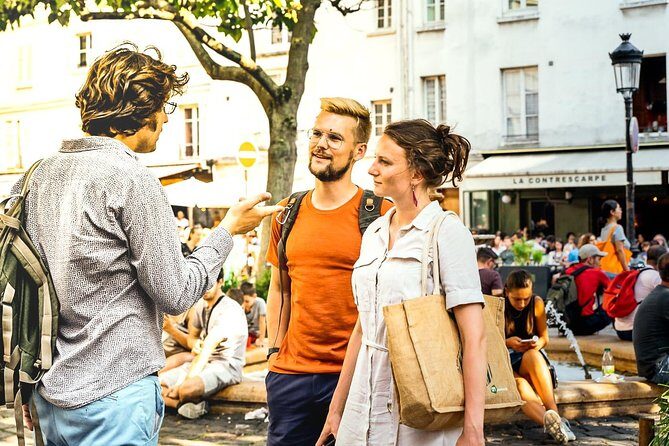
The itinerary notes that depending on the host and their route, additional stops might be included. That flexibility is the whole point of a private tour.
In practice, this means you can steer the walk. If you care more about street-level life, ask the guide to include a few more turns that show how people use the neighborhood. If you want stronger chronology—who did what, when—ask for emphasis on that. The guide can make on-the-spot changes, so your questions aren’t interruptions. They’re input.
From the guide style shown in example names—people like Isabelle, Carlos, Paolo, Murilo, and Maxime—you can also expect different personalities. Some are more story-focused, some more architecture-forward, and many mix history with very practical neighborhood suggestions. That variety is usually a plus, as long as you speak up about what you want.
Pacing tips: how to get the facts you want without losing the fun
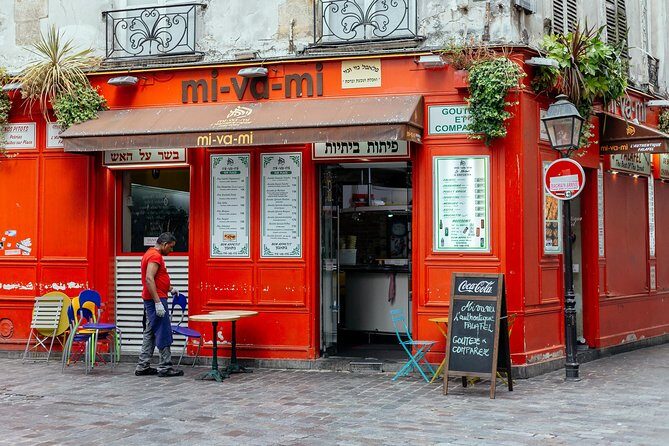
This tour is built for a calm rhythm, but calm doesn’t automatically mean fast. The itinerary includes multiple stops, and two of them are churches. On a cold day, or if you prefer straight historical facts with minimal reflection, you’ll want to steer pacing early.
Here’s what I’d do at the start:
- Tell your guide what you want most: sharper dates, more storytelling, or stronger focus on a specific topic.
- If churches feel like too much time, ask to keep them short and focused on key details.
- If you care about a particular community’s history, ask what that emphasis could look like on your route.
A small but important note: the tour promises local tips and recommendations. That’s great, but it’s also a reminder that the guide may spend some time talking shop and giving advice on food or shopping in the area. If you want to maximize history only, you can ask for those recommendations at the end.
Local tips you can use right after the tour

One of the best parts of this kind of neighborhood tour is leaving with next steps. The experience is designed to provide local tips & recommendations, and the guide often ties those suggestions to what you just learned.
Example guide styles in this tour family include very practical recommendations—things like where to find good coffee and cheese, or where to shop and roam after the tour. That’s not just nice-to-know. It helps you avoid spending your limited vacation time aimlessly searching.
You’ll also likely get suggestions that match your pace. Since you end at Pont Marie, it’s easy to carry the guide’s advice into your own walking loop right away. Think of it as turning the tour from a history lesson into a workable plan for the rest of your Le Marais afternoon or evening.
Who should book this Le Marais history private tour
This tour fits best if you want:
- A private experience where your pace matters
- A short, organized loop through the 4th arrondissement with strong anchor sights
- A guide who can shift the route based on your interests
- History plus practical recommendations you can use immediately
It may be less perfect if you want a strictly fast, facts-only program with zero discussion. The tour format is conversational by nature, and the church stops take time. If you dislike longer stops at religious sites, ask the guide to adjust.
If you’re traveling with family, it can also work well because the private setup lets you control how long each place holds your attention. If you’re a solo traveler, private tours are a great way to get tailored context instead of relying on vague guidebook notes.
English is offered, and the tour says most people can participate, so it’s a good option for a wide range of visitors.
Should you book? My practical take
If you’re planning a Le Marais day and you want a smart way to learn the neighborhood without committing to a full half-day tour, I’d say this is a strong choice. The private format, the clear anchors (Place des Vosges, Saint-Paul-Saint-Louis, Hotel-de-Ville), and the promise of on-the-spot route changes are the core reasons it works.
Book it if:
- You like asking questions and shaping the walk as you go
- You want history that connects to what to do next
- You’d rather pay for less crowd pressure than chase cheap group tours
Skip it or adjust your expectations if:
- You’re chasing only dates and names with minimal stops
- You want a very specific topic emphasized, like Jewish history, and you don’t want any flexibility in how the route is handled
A final tip: send a message ahead of time or tell the guide right at the start what you care about most. This tour’s value comes from getting the route and emphasis aimed at you, not from following the plan blindly.
FAQ
How long is the History of Paris: Historical Le Marais Private Tour?
The tour lasts about 2 hours.
Is this tour private?
Yes. It’s a private tour where only your group participates.
What stops are included in the tour?
The main stops are Place des Vosges, Eglise Saint-Paul Saint-Louis, and the Hotel-de-Ville area (4th arrondissement). Depending on the host and route, additional stops may also be included.
Are admission tickets included?
Place des Vosges is free. Eglise Saint-Paul Saint-Louis does not include admission. The Hotel-de-Ville stop is listed as free.
Where do I meet the guide, and where does the tour end?
You meet at 29 Rue de Rivoli, 75004 Paris. The tour ends at Pont Marie, 75004 Paris.
Is the tour offered in English?
Yes, the tour is offered in English.
Can I get a full refund if I cancel?
Yes. Free cancellation is available up to 24 hours in advance for a full refund. If you cancel less than 24 hours before the start time, the amount paid isn’t refunded.